
Related videos:
The Electric Company of Havana reported this Saturday that only 1.5% of customers in the capital have electrical service following the collapse of the National Electric System (SEN) that occurred on Friday night.
Small areas of Central Havana, Cerro, and San Miguel del Padrón have been reconnected through a microsystem in the western part of the city, although its expansion remains a complex and slow process, noted a statement from the entity on Facebook.
According to the official report, this microsystem provides 6.3 MW of demand, a minimal figure compared to the needs of the capital of Cuba, but it represents a first step in the restoration of the service.
The Electric Company stated that work is ongoing without interruption on the recovery efforts, and updates can be followed through their social media channels and the customer service number 18888.
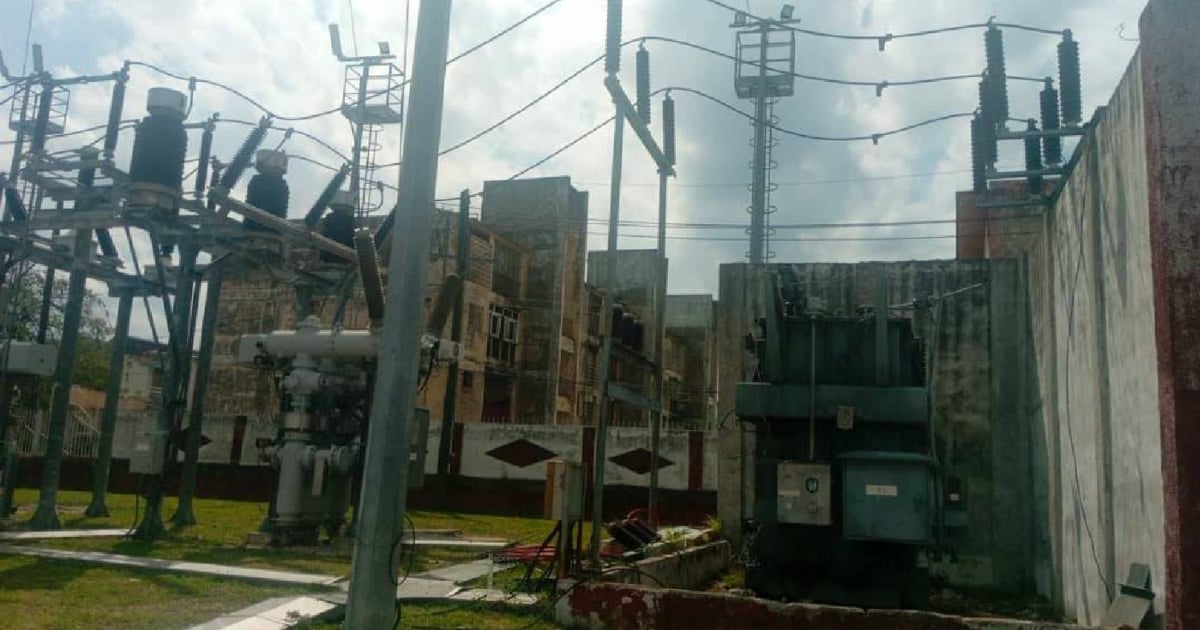
The massive blackout on Friday occurred due to a malfunction at the Diezmero substation in Havana, resulting in a total disconnection of the SEN on the island, particularly affecting the western region.
Authorities from the Ministry of Energy and Mines reported that the outage was related to a high fluctuation in the system, although the exact causes are still under investigation.
Residents of Havana, Guantánamo, Matanzas, Villa Clara, Camagüey, Holguín, and Las Tunas reported a total interruption of electrical service, while some witnesses described voltage fluctuations and flickering lights before the collapse.
A worker from the Electric Company of Holguín explained that the restoration process involves creating "energy islands," first connecting the thermoelectric plants before synchronizing with the rest of the system.
This is the third collapse of the SEN since October 2024, reflecting the fragility of the electrical system in Cuba. The last nationwide blackout occurred in December, when a failure at the Antonio Guiteras thermoelectric plant caused a national outage.
For this Friday, the Electric Union of Cuba (UNE) expected a partial recovery of 160 MW, including the reactivation of unit 6 of the Rente Thermal Power Plant.
However, the total capacity of the system remains insufficient, with 1,940 MW available against a maximum demand of 3,250 MW, resulting in a deficit of 1,310 MW that severely impacts citizens and the economic sector.
Authorities assure that efforts to stabilize the system are ongoing, but the energy crisis on the island continues to worsen, affecting the daily lives of millions of Cubans due to the regime's inefficiency in implementing lasting solutions.
Frequently Asked Questions about Blackouts and the Energy Crisis in Cuba
What is the current situation of the electricity service in Havana?
Currently, only 1.5% of customers in Havana have electrical service due to a collapse of the National Electric System (SEN). This collapse has left most of the Cuban capital without electricity, and the authorities are working on restoring the service through microsystems.
What caused the recent massive blackout in Cuba?
The recent massive blackout was caused by a malfunction at the Diezmero substation in Havana, which led to a complete disconnection from the National Electric System (SEN). The disconnection severely affected the western region of Cuba, and the failure is linked to a high fluctuation in the system, although the exact causes are still under investigation.
How are the Cuban authorities trying to restore electricity service?
The authorities are using "microsystems" to restore electrical service in specific areas and vital centers. These microsystems enable a gradual recovery of service while work is ongoing to synchronize the thermal power plants with the rest of the system.
Why has the energy crisis in Cuba worsened in recent months?
The energy crisis in Cuba has worsened due to the lack of maintenance and modernization of the electrical system, frequent breakdowns in thermoelectric plants, and fuel shortages. Additionally, the outdated electrical infrastructure and chronic underfunding of the state electricity sector have contributed to the current critical situation.
Filed under: