
Related videos:
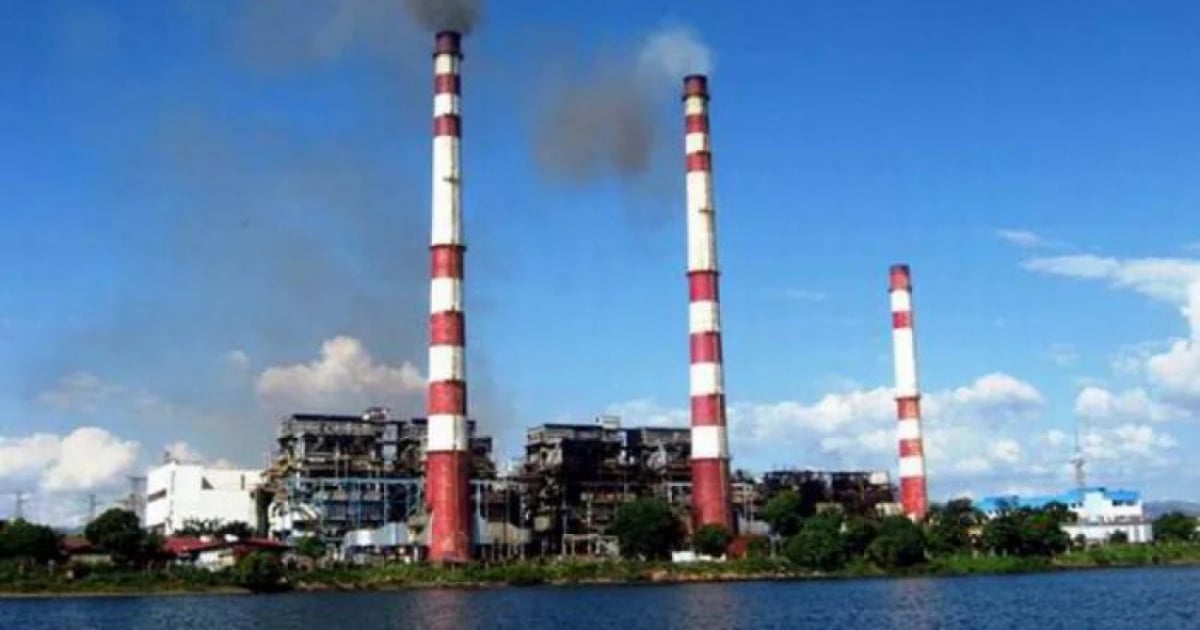
The Antonio Maceo thermoelectric plant (Renté) in Santiago de Cuba went offline this Saturday after the failure of the electrical microsystem designed to generate a bit of energy, following the nationwide blackout that occurred on Friday night.
Lester Salvador Cedeño, director of the cargo office of the Electric Company in the province, revealed that at 11:28 am, the microsystem they had set up was triggered, which included unit 3 of Renté online.
"Once the shot was fired, we set out to start from scratch and create a microsystem again. Right now, we are already in Renté, we provided service to the plant, and we started to restore the system we had established," he detailed on Facebook.
Just a few hours earlier, the first secretary of the Party, Beatriz Johnson, had announced the commissioning of block 3 of the plant, generating 42 MW with the hope of reaching 60 MW in a few hours.
Johnson emphasized that the stability of the microsystem largely depends on consumption and urged the public to use electricity rationally when receiving the service.
However, just an hour and a half after that post, the company announced the collapse of the microsystem.
Experts claim that the isolated microsystem is very vulnerable, and any event, no matter how small (such as an increase in demand, a short circuit in the network, etc.), can cause it to collapse, requiring a complete restart.
The truth is that the Santiago province is once again completely without electrical service, except for four circuit sections and line 5335, which is being used to supply the pumping for the Renté thermoelectric plant.
The general director of electricity at the Ministry of Energy and Mines, Lázaro Guerra Hernández, had explained that the microsystem of Santiago de Cuba would supply power to Renté for the synchronization of its unit 3, which was in the process of starting up on the morning of this Saturday.
In the east, the Camagüey microsystem was also ready to supply power to the Nuevitas thermoelectric plant, which was in the process of starting up.
Regarding the western microsystem, the largest in the country, he noted that he was waiting for the startup of the Energás Boca de Jaruco plant, which will allow energy to be supplied to several substations in Havana, as well as the thermoelectric plants in Mariel and Santa Cruz, along with the barges.
Until these units are operational, energy distribution across the various circuits cannot begin.
Frequently Asked Questions about the Electrical Crisis in Santiago de Cuba
Why did the electrical microsystem in Santiago de Cuba collapse?
The electrical microsystem in Santiago de Cuba collapsed due to its vulnerability to minimal events, such as increased demand or a short circuit in the network. This type of isolated system is very susceptible to failures, which in this case led to the shutdown of the Antonio Maceo thermoelectric plant (Renté).
What impact does the collapse of the microsystem have on the population of Santiago de Cuba?
The collapse of the microsystem left Santiago de Cuba completely without electricity, severely impacting the daily life of its residents. In addition, only a few sectionalized circuits and the service line to the Renté thermal power plant remain powered, further restricting the everyday activities of the population.
What measures are being taken to restore the electricity service in Santiago de Cuba?
Efforts are underway to create a microsystem to restore electrical service again, starting from the Renté thermoelectric plant. However, the stability of this system depends on the rational use of electricity by the population, and on avoiding sudden demands that the system cannot handle.
How does the current electricity crisis affect other regions of Cuba?
The electricity crisis affects the entire island, with prolonged blackouts and a significant deficit in power generation. In Havana, for instance, some circuits have been gradually restored, but the system remains unstable. In other provinces, such as Holguín and Guantánamo, power outages can last up to 18 hours a day.
Filed under: