
Related videos:
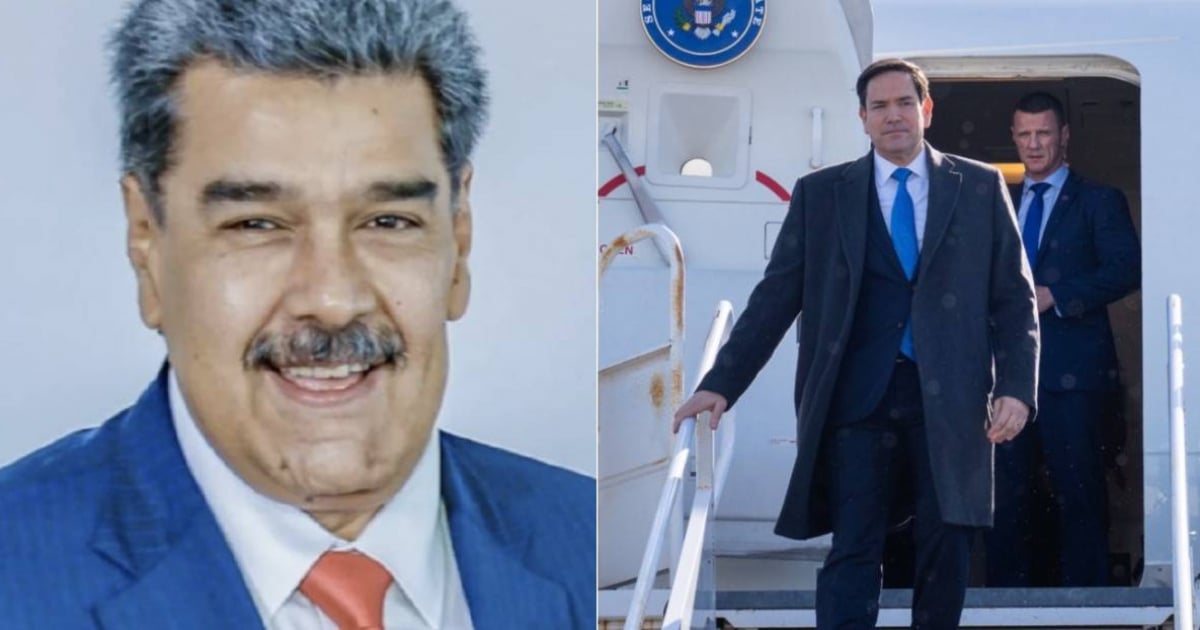
The government of Donald Trump threatened on Tuesday to impose new sanctions on Venezuela if Nicolás Maduro's regime refuses to accept the return of Venezuelan migrants deported from U.S. territory.
The Secretary of State, Marco Rubio, stated that Venezuela is obligated to accept its repatriated citizens and that this is not a matter for negotiation nor does it deserve any rewards.
He warned in a post on X that unless the Maduro government continuously and promptly accepts deportation flights, Washington will impose "severe and increasing" sanctions.
In February, former President Donald Trump announced that Venezuela agreed to accept all illegal Venezuelan migrants present in the U.S., including members of the criminal gang "Tren de Aragua."
The agreement also included that the Venezuelan government would provide transportation for their repatriation, but apparently this has not been fulfilled, as on Sunday the head of U.S. diplomacy announced that, under the Foreign Enemies Act, more than 250 people accused of allegedly being members of the Venezuelan criminal gang Tren de Aragua were sent to El Salvador.
The president of that Central American country, Nayib Bukele, offered to imprison the deported Venezuelans.
Frequently Asked Questions about U.S. Sanctions on Venezuela for Deportation of Migrants
Why is the United States threatening sanctions against Venezuela?
The United States threatens sanctions against Venezuela because Nicolás Maduro's regime refuses to accept the return of Venezuelan migrants deported from U.S. territory. This refusal violates a prior agreement in which Venezuela agreed to accept all illegal migrants, including members of the Tren de Aragua.
What measures has the U.S. taken in response to Venezuela's refusal?
The U.S. has warned that it will impose "severe and increasing" sanctions if the Maduro regime does not accept deportation flights continuously and without delays. In addition, the United States has already sent more than 250 individuals accused of being part of the Tren de Aragua to El Salvador as part of its immigration policies.
What conditions has Maduro set for accepting the deportees?
Maduro has conditioned the reception of migrants on the lifting of international sanctions imposed on his regime. He has stated that if the sanctions are lifted, Venezuela will ensure that not a single migrant will leave the country and that those who are abroad will return to work and contribute to the country's development.
What is the United States' stance on the Maduro regime?
The United States does not recognize Nicolás Maduro as the legitimate president of Venezuela following the 2024 elections, deemed fraudulent. The Trump administration has maintained a stance of maximum pressure against Chavismo, including economic sanctions and support for the Venezuelan opposition.
What implications does this situation have for Venezuelan migrants in the U.S.?
The situation increases the risk of deportation for thousands of Venezuelans in the U.S., especially after the revocation of Temporary Protected Status (TPS) by the Trump administration. This leaves many migrants in legal limbo and at risk of being sent back to Venezuela.
Filed under: