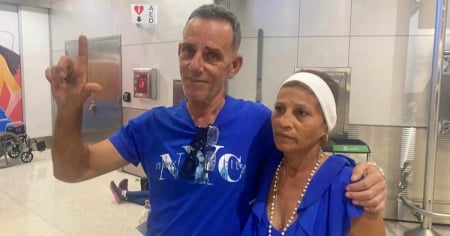
" gentlemen, the day has come," this is how the powerful message from Cuban creator Alfredo Betancourt begins, as he reacted on TikTok to the recent notifications sent by the United States government to beneficiaries of the humanitarian parole, warning them that they must leave the country.
530,000 people are receiving notification today that their driver's license, work permit, and status in this country have been revoked, he lamented in his video posted from his account @alfredobetancour7. I can't deny that this has me really upset, because I have friends who are going through this right now and they don't deserve it, he added with visible sorrow.
The influencer assured that for months he alerted his community about the possible consequences of the current Republican administration's immigration policies: “Everything possible and impossible was done to help many understand, to avoid reaching this point.” He directly held accountable those who, in his view, voted for those who are now revoking their rights: “Your citizen, every vote you cast for this administration, signed your deportation order.”
Divided reactions on social media
The video, which quickly amassed hundreds of comments, sparked an intense debate among Cubans both inside and outside the United States. "Trump warned them, and they were forewarned," commented one user. Another wrote, "Biden promised to return to the Obama era regarding Cuba, and it turned out to be Donald Trump: The Sequel. Here are the results."
There were also criticisms from the other side: "Ignorance is killing the whole world; I side with the democrats regardless of what they say. I arrived in '94, and at least they let you in, and little by little you can get your documents," commented another internet user.
Many comments appealed to pain, frustration, or resignation: “I’m in the same situation, with two kids. Despair is starting to set in,” wrote a mother. Another user expressed: “Don't worry, that's just life. I’m I220A and I’ve been waiting for a miracle for three years.”
Official revocation of parole
On March 25, the Department of Homeland Security (DHS) announced the official revocation of the humanitarian parole program for Cubans, Haitians, Nicaraguans, and Venezuelans. Starting April 24, 2025, all active permits will be considered terminated.
Those affected have started receiving official notifications demanding voluntary departure from the country if they do not have a legal basis to remain. In parallel, residence processes were suspended for asylum seekers and refugees, and work permits issued under parole were revoked.
An estimated 26,000 Cubans would be left without legal status for not having met the requirement of one year and one day to qualify for the Cuban Adjustment Act.
Concerns have become widespread: “It’s not fair”: this is how Cubans reacted on social media upon hearing the news, while testimonies like that of presenter Diony Osniel López in Miami reflect the real anguish of those who could be deported within weeks. “I haven't done anything but work”, stated Diony after receiving the departure order.
Is there still hope?
According to experts, Cubans who manage to meet the year and one day of physical presence in the U.S. could still be eligible for the Cuban Adjustment Act, even if their parole has already been revoked. Attorney Rosaly Chaviano explained that the document remains valid for status adjustment purposes, provided they have not committed immigration violations.
However, the margin is narrow and the uncertainty is growing. "Time is running out for them," Betancourt warned. His message has become the echo of thousands who today face the fear of deportation, legal frustration, and political powerlessness.
Frequently Asked Questions about the Revocation of Humanitarian Parole for Cubans in the U.S.
What does the revocation of humanitarian parole mean for Cubans in the U.S.?
The revocation of humanitarian parole means that Cuban nationals benefiting from this program must leave the United States if they do not have another legal basis to remain in the country. This affects those who have not met the one year and one day requirement necessary to qualify for the Cuban Adjustment Act. The measure also revokes work permits and driving licenses.
How many Cubans will be affected by this measure?
According to the provided data, approximately 26,000 Cubans would be left without legal status because they have not yet met the residency requirement to qualify for the Cuban Adjustment Act. In total, more than 530,000 people, including citizens of Haiti, Nicaragua, and Venezuela, have been affected by the revocation of humanitarian parole.
Is there any hope for Cubans affected by the revocation of parole?
Cubans who manage to complete one year and one day in the U.S. may qualify for the Cuban Adjustment Act, even if their parole has been revoked. This would allow them to regularize their status. However, time is limited, and they must ensure not to commit immigration violations that could complicate their situation.
What measures has the U.S. government taken following the revocation of humanitarian parole?
The Department of Homeland Security (DHS) has started sending notifications to beneficiaries of humanitarian parole, demanding their voluntary departure from the country before their status expires. Additionally, they have suspended residency processes for asylum seekers and refugees, and revoked work permits issued under this program.
What are the reactions of the Cuban community to the revocation of the parole?
The Cuban community has reacted with outrage and frustration to the measure, viewing it as a blow to those who relied on the American system to rebuild their lives. Many express fear and rejection, pointing out that they entered the country legally and are now facing the possibility of being deported.
Filed under: