
Related videos:
The writer Enrique Enrisco regretted on Tuesday the deportation of a Cuban neighbor of his who had been living in the United States for five years, a man he described as “serious and hardworking.”
“Today I learned that a neighbor has been deported. He is from Placetas. He had been living in this country for more than five years with his wife and two children. A serious and hardworking guy. I can attest to that: he was the one who installed the flooring in my kitchen”, noted Enrisco in a Facebook post.
The Cuban intellectual and professor, residing in New York, added that his deported neighbor "at the moment seems to have no other option but to survive in Cuba, away from his wife and children."
"I do not write this with the intention of debating anyone. In fact, if someone tries to justify something like this, I will block them on this wall. I am tired of seeing people applauding the suffering of others," concluded the intellectual decisively.
In the comments section of your publication, several internet users expressed their sorrow over the critical situation that many honest individuals of various nationalities are experiencing as they are being deported from the U.S.
"I am very sorry, we are broken. A friend of my cousins, with I-220 A and barely 22 years old, working like an animal, was also deported. This is no longer a game. It's no longer about how we personally feel about the guy. It’s rampant fascism. If there was neither a crime nor due process, there is nothing to discuss," wrote Professor Mabel Cuesta.
Journalist Wilfredo Cancio Isla, for his part, called it "outrageous" that some Cubans are applauding the misfortune of their fellow countrymen these days.
"It is simply outrageous that some of our compatriots in the South Florida community applaud the misfortune of their own people. I have been in this country for 30 years and months, and I have never seen such lack of consideration and solidarity towards their peers. They speak as if we do not recognize each other," noted Cancio Isla.
Another internet user revealed that the grandfather of a Mexican friend of hers was taken away in front of his children and grandchildren in a parking lot at a Walmart due to a DUI on his record for which he had been denied paperwork 30 years ago.
"Today, ICE also detained one of my clients. He has two little girls and his wife here. He has been here for over 20 years. It happened this morning and we haven't heard from him since. What a horror to live through!" revealed another testimony.
"It is irrational and unfair. It is one thing to deport confirmed criminal offenders or repressors, and quite another to deport anyone simply to meet quotas and show the political base that promises of mass deportations are being fulfilled," commented another commentator.
Amid the pain, legitimate questions also arose regarding the victim's immigration status and the reasons behind the deportation.
"In five years, there is time to legalize your situation," remarked a user.
However, in his post, Enrique Enrisco did not provide any additional details regarding the specific immigration circumstances of the deported Cuban.
Some referenced the slowness of the system and pointed out that recent changes in asylum policies are making that process increasingly difficult.
Cubans in favor of deportations
There were certainly those who supported the deportations, sparking an intense debate.
"You can go to Cuba or Nicaragua where you will enjoy what awaited us with the government of Kamala. We endured and you remained silent for four years in the face of betrayal, theft, and the impunity of injustice. We are here because we allowed our countries to become a mess. I don’t understand why we want to turn the country that gives us a second chance into that same mess," declared Leonardo Calvo.
"I don't see any affected individuals taking in illegal immigrants into their homes or sleeping with their doors open. I fought against Castroism for 26 years and if I had to enter here illegally, I would have stayed there doing the same. It is a serious mistake to normalize illegal immigration, and the consequences are already becoming evident in many countries. If the law is violated to enter a foreign country, one must be prepared to face the consequences," he added.
Another commentator in favor of deportations questioned: “Why weren't there daily reports and these outcries when Obama broke all the records for them? [...] He simply deported them quietly.”
Deportation of Cubans since Trump took office
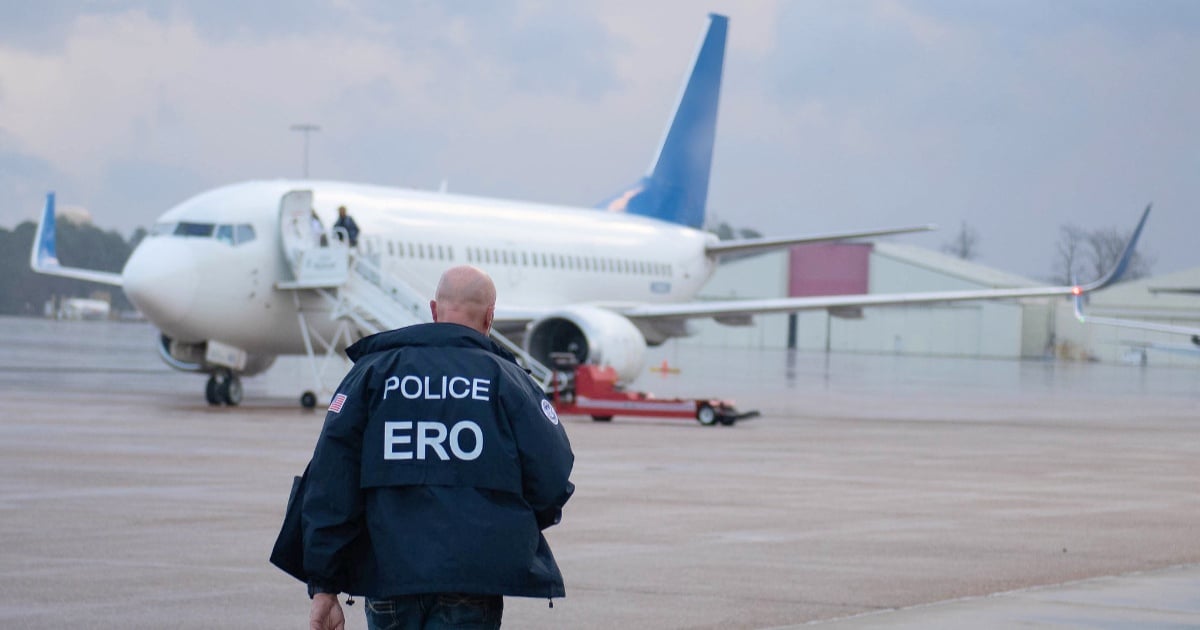
Since Donald Trump took office on January 20, there have been reports of only two deportation flights of Cubans: one with 104 deportees on February 27 and another with 60 migrants returned to the island on March 27.
However, the Ministry of the Interior (MININT) referred to a third flight -which would actually be the first- carried out on January 23 and that was not reported in official press media.
In early March, Carlos Fernández de Cossío, Deputy Minister of Foreign Relations of Cuba, denied that the Trump administration had addressed the immigration issue or a possible increase in the volume of deportations of citizens from the island up to that point.
"There has been no request of that nature from the U.S. government. We haven't yet sat down to discuss whether that would be possible," said the senior official in statements reported by the agency Reuters.
The immigration negotiations between the two countries have seen progress and setbacks in recent years. The last bilateral meeting between Cuba and the U.S. on the immigration issue took place in December 2024, just before the start of President Donald Trump's second term.
Currently, the situation is puzzling: The measures taken by Trump since he took office have made about 550,000 Cubans deportable.
Frequently Asked Questions about the Deportations of Cubans in the U.S.
Why was the Cuban who had been in the U.S. for five years deported?
The article does not specify the exact circumstances surrounding the deportation of Enrique Enrisco's Cuban neighbor. However, it mentions that recent deportation policies in the U.S. have affected many immigrants, including those with no criminal records. Tighter deportation policies are causing honest and hard-working individuals to be deported without clear processes or apparent justification.
What is the I-220A and how does it affect Cubans in the U.S.?
The I-220A is a document known as "Order of Release on Recognizance" that allows for the release of individuals from federal custody under certain conditions, such as attending immigration hearings. This status does not grant immigration benefits nor is it considered an official admission to the country, leaving beneficiaries in a legally uncertain situation.
What impact does Trump's administration have on the deportations of Cubans?
Since Donald Trump's arrival in the presidency, the deportations of Cubans have intensified. The adopted policies have made approximately 550,000 Cubans deportable and have eliminated programs such as humanitarian parole, increasing uncertainty and the risk of deportation.
What legal options do deported Cubans have to reunite with their families in the U.S.?
The options for deported Cubans to reunite with their families in the U.S. are limited. It is recommended to seek specialized legal advice to explore avenues such as asylum or status adjustment, although the situation is becoming increasingly complex due to current immigration policies.
Filed under: