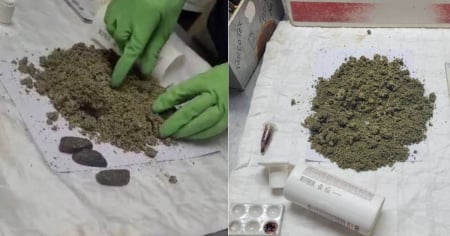
The General Customs of the Republic of Cuba announced on Monday the seizure of more than 890 blister packs of a controlled medication that were attempting to be smuggled into the country hidden in boxes of food products.
The discovery took place at the José Martí International Airport in Havana, as part of the national exercise for crime prevention and confrontation, according to a report on the social media platform X by the first deputy head of Customs, Wiliam Pérez González.
"Cuban Customs, as part of the national exercise of prevention and combat against crime, detected over 890 blisters of a medication regulated by the Ministry of Health at Havana airport, which were hidden in boxes of various seasonings," wrote the official.
The publication does not specify the type of medication seized or whether any individuals have been detained in connection with the incident, although it highlights the illegal nature of the operation as it involves controlled substances according to the regulations of the Ministry of Public Health of Cuba (MINSAP).
Customs authorities have strengthened controls at airports as part of an offensive against drug trafficking, psychotropic substances, and regulated medications.
However, while the regime boasts of greater customs control over drug trafficking and controlled substances, it is also evident that these crimes have increased at Cuba's borders.
Last March, the General Customs of the Republic of Cuba intensified its campaign against drug trafficking and controlled medications, successfully detecting and thwarting several smuggling attempts at the country's airports.
Authorities reported the use of "blind mules", people who have drugs hidden in their luggage without their knowledge, as part of an organized network operating on international flights. This method reflects the increasing level of sophistication in trafficking operations to Cuba.
In addition, there was another thwarted attempt, this time to smuggle two packages of cocaine out of the country through a passenger who intended to board an international flight. The timely intervention of customs agents prevented the drug from leaving, reaffirming vigilance over both exit routes and entry points.
Days later, officials detected hidden drugs in disposable diapers coming from the United States. This finding, apart from being unusual, demonstrates the persistent creativity of traffickers in circumventing border controls and taking advantage of the customs flexibilities in place for personal use products.
Finally, last Saturday the trial was held against a Cuban citizen accused of transporting drugs within the country. The judicial process was highlighted by the authorities as part of the repressive approach against this type of crime, within a broader strategy that combines border surveillance with exemplary punishments.
Frequently Asked Questions about the Seizure of Controlled Drugs in Cuba
What medications were seized at Havana airport?
The General Customs of the Republic of Cuba confiscated more than 890 blisters of a controlled medication at the José Martí International Airport in Havana. The exact type of confiscated medication was not specified, but it is known to be regulated by the Ministry of Public Health of Cuba.
What is the context of these customs controls in Cuba?
Cuba has intensified its customs controls as part of an offensive against drug trafficking and regulated medications. The controls aim to curb the increase in the trafficking of these products, which has become a growing problem at Cuban borders, especially at airports.
Why is the trafficking of medications increasing in Cuba?
The trafficking of medications in Cuba has increased due to the severe shortage of these products in the country. The lack of access to essential medications leads some people to resort to smuggling as a desperate solution. This, combined with the economic crisis, exacerbates the problem.
What measures is the Cuban government taking to combat drug trafficking?
The Cuban government has implemented measures such as strengthening border controls and conducting anti-drug operations. These actions aim to curb the trafficking of controlled substances and medications, in addition to imposing strict penalties on those involved in these crimes.
Filed under: