
Related videos:
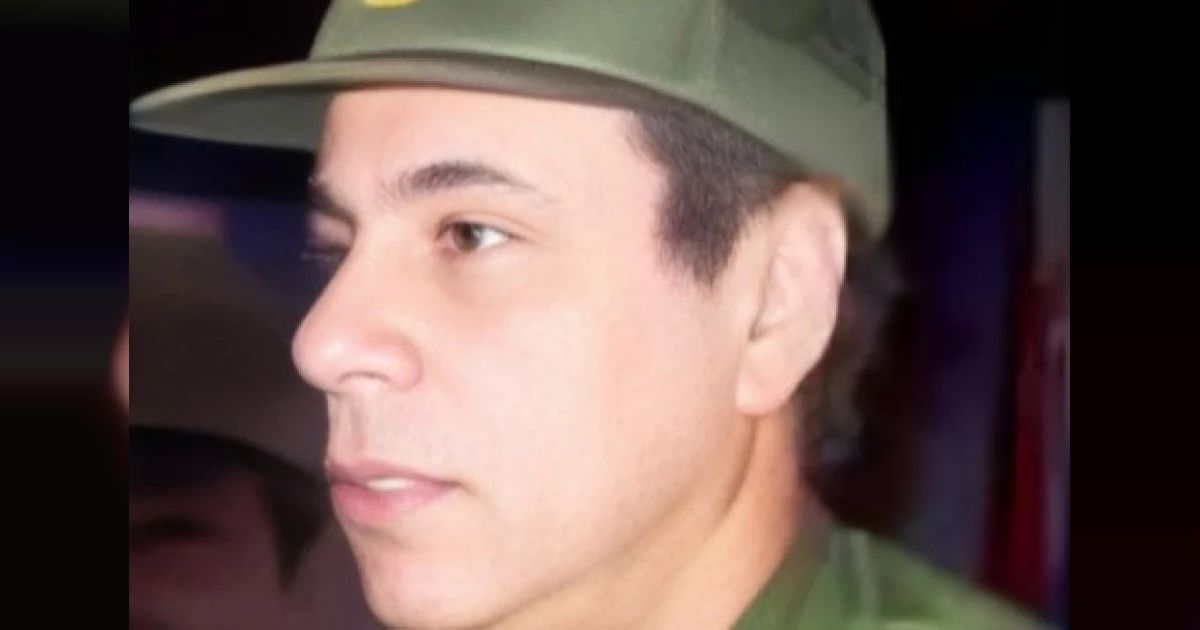
Misael Enamorado Dager, former First Secretary of the Communist Party in Santiago de Cuba and a former member of the Central Committee of the PCC, is reported to have recently returned to the island from the United States after being involved in an escalating public scandal for entering the country under the humanitarian parole program.
The information was revealed by journalist Mario Pentón and activist Luis Domínguez from the organization Cuba al Descubierto and a collaborator with the Foundation for Human Rights in Cuba.
Both confirmed that Enamorado had settled in Houston, Texas, where one of his sons, also named Misael Enamorado, resided, and that he made the decision to leave the country after receiving legal notifications and facing intense public scrutiny, especially after his name appeared on a list of alleged repressors of the Cuban regime living in the United States.
That list, created and circulated by activists and supported by lawmakers such as Republican Congressman Carlos Giménez, includes over a hundred former communist officials whose deportation has been demanded by the Cuban exile community.
Enamorado was identified as one of the most serious cases, due to his proximity to the core of power in Cuba and his role for decades in the ideological structure of the regime.
Throughout his political career, Enamorado was a key figure in the PCC apparatus in the eastern region of the country. He participated in numerous public events alongside high-ranking leaders such as Raúl Castro and Ramón Espinosa Martín, and served as a spokesperson for the communist narrative that demanded "resistance" and unconditional loyalty to the Revolution.
In one of the videos recovered by exiled activists, he is seen asking young graduates to swear "loyalty to communism," while he held positions as the first secretary of the party in Santiago de Cuba and a member of the Central Committee.
However, after his departure from the country in 2023, reality caught up with him on the other side of the Florida Strait. His attempt to settle legally in the U.S. under the Cuban Adjustment Act was seemingly thwarted.
No member of the Enamorado family received permanent residency (Green Card), which, according to Mario Pentón, may have been related to public complaints and pressure exerted by exile organizations and Cuban-American communities.
While in Cuba he enjoyed privileges reserved for the regime's elite, such as residences in exclusive neighborhoods and access to specialized medical services, in the United States his presence was questioned from the very beginning.
Images from satellite imagery of their residence in Cuba, located in the Tabay neighborhood (Playa Baracoa), were shared on social media and independent media, situated not far from the homes of high-ranking officials like Mariela Castro and the exclusive CIMEQ hospital, reserved for leaders.
A rental house with a pool, known as "Casanita," linked to her family was also identified.
These contrasts highlighted, according to activists, the double standard of many former officials of the Cuban regime who repress on the island and then try to enjoy the freedoms and comforts of the country they criticized for years.
Pentón stated that they first live off the people, then abandon them, and when they are no longer welcome, they return to enjoy their privileges in the dictatorship they helped sustain.
For exiled whistleblowers, this case represents a symbolic victory, but also a warning: the perpetrators against the Cuban people cannot hope to seek refuge in the United States as if they were political prisoners.
At the end of his statement, Pentón warned that those who have been part of the repressive apparatus of the Cuban regime, holding positions of power or violating rights, should not expect to benefit from immigration advantages as if they were victims, since such behavior —he asserted— will not be tolerated.
Frequently Asked Questions about Misael Enamorado's Self-Deportation and the Situation of Former Cuban Leaders in the U.S.
Why did Misael Enamorado decide to return to Cuba from the United States?
Misael Enamorado decided to return to Cuba after facing increasing public scrutiny and legal notifications in the United States. His name had appeared on a list of alleged repressors of the Cuban regime living in the U.S., which generated strong pressure from activists and Cuban-American communities demanding his deportation.
What is humanitarian parole and how is it related to the Enamorado case?
The humanitarian parole is a program that allows migrants to live and work temporarily in the United States. In the case of Misael Enamorado, he entered the U.S. under this program, but his attempt to establish himself legally was thwarted due to allegations and public pressures against him, which led him to return to Cuba.
What implications does the inclusion of former Cuban leaders in deportation lists in the U.S. have?
The inclusion of former Cuban leaders, such as Misael Enamorado, in deportation lists has a significant impact, as it reinforces the pressure for the United States to purge its territory of figures associated with the Cuban repressive apparatus. This responds to the demand for justice from exiled communities that have suffered repression under the Cuban regime.
What is the Cuban government's position on deportations from the U.S.?
The Cuban regime has criticized deportations from the United States, calling them "immoral" and accusing Washington of encouraging irregular migration. They argue that deportations are an unfair measure against those who emigrated due to economic and political pressures imposed by U.S. sanctions.
Filed under: