
Related videos:
The building that for decades housed the popular Ten Cents at the intersection of Galiano and San Rafael, one of the most iconic locations for commerce in Havana, has been transformed into "Casalinda," a new store that only accepts payments in dollars.
The reopening of "Casalinda," a store that until just over a year ago operated in freely convertible currency (MLC), held on Saturday, April 12, adds to the expansion of an economic model that deepens the exclusion of large sectors of the Cuban population.
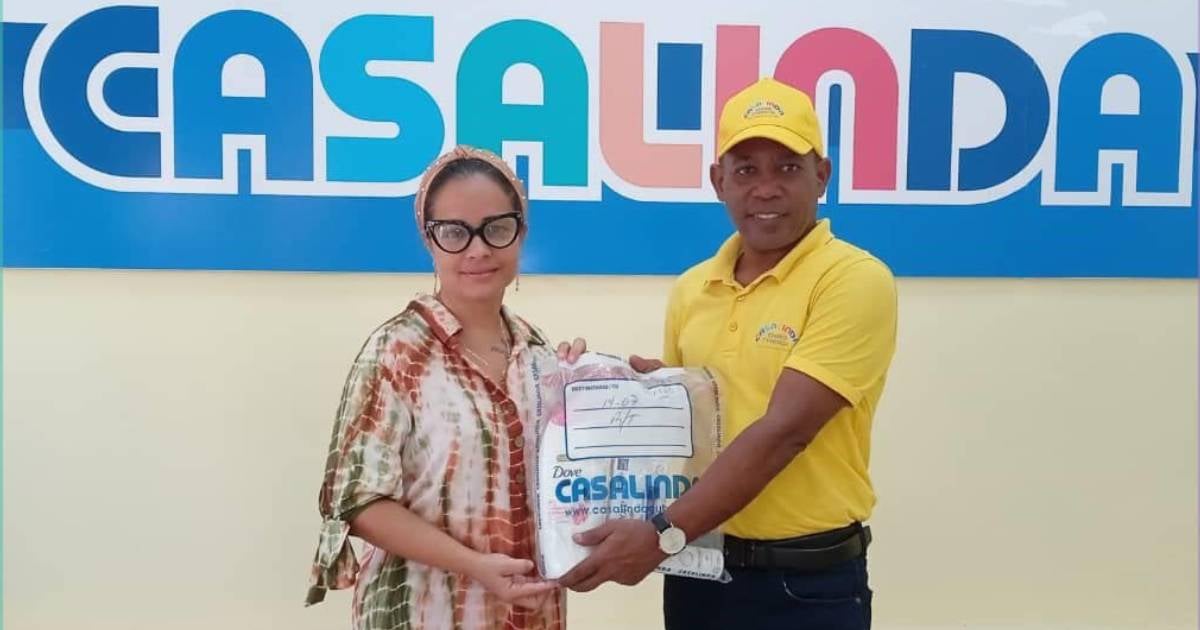
Enthusiastically announced on social media as a "new favorite shopping center," Casalinda offers over 10,000 items, ranging from home goods to small appliances imported from Europe and Asia.
The store was inaugurated in a festive atmosphere, with music, digital screens, and "exclusive" promotions, although not for everyone. Only those with bank accounts in foreign currencies can make purchases, a privileged minority on the island.
According to the independent media 14ymedio, a few minutes before ten in the morning, the announced opening time, a small line of customers began to form under the watchful gaze of several troops from the Army's prevention division (red berets).
During generations, the Ten Cents was a symbol of accessible trade, first under the American model before 1959, and then as part of the socialist state store system. Its transformation into an elitist currency store marks a radical shift that not only redefines the physical space, but also the collective memory of the place.
However, in July 2019, deplorable hygiene conditions were reported at the site, with the presence of mice and cockroaches in the establishment's candy store. Images captured by customers showed rodents roaming around the premises, highlighting a situation of neglect and lack of maintenance that jeopardized public health and the dignity of the space.
“The former Trasval of Galiano has now become the USD Casalinda store. With a large screen. This way, they can see the products they have,” commented a user on social media, also referring to the brief history of the property as the hardware store Trasval, another brand associated with the everyday lives of Cubans.
Today, where once many could purchase with their modest salaries in Cuban pesos, a showcase now stands that only those who receive remittances, are paid in foreign currency, or have connections in the informal dollar market can access.
Casalinda is not just another store. According to a report by 14ymedio, behind the project is Bartolomeo “Beto” Savina Tito, an Italian entrepreneur with over three decades of business experience in Cuba, many of which have been in partnership with the military conglomerate GAESA.
Through its subsidiary Italsav and in partnership with Tiendas Caribe, controlled by the Armed Forces, Beto is reportedly behind the launch of a new network of retail supermarkets in dollars, starting with this store in Centro Habana.
“Beto now, through an agreement with Tiendas Caribe of GAESA, will open a series of dollar supermarkets across Cuba,” published the Facebook profile La Tijera, noting that Casalinda also has an operational e-commerce platform on the island.
These types of alliances between foreign capital and the Cuban military-economic apparatus reinforce the concentration of economic power in the hands of a very small elite, beyond any institutional or civic control.
The opening was presented as a celebration for "the whole family," but access to the store is limited by economic exclusion.
Only those who have cards financed from abroad can even think about making a purchase at Casalinda. For most Cubans, whose national currency has dramatically lost purchasing power against the dollar, the store is nothing more than a showcase of what they cannot have.
Frequently Asked Questions about the Opening of Dollar Stores in Cuba
What is "Casalinda" and why is its opening controversial?
"Casalinda" is a new store in Havana that only accepts payments in dollars. Located in the old Ten Cents building, its opening has sparked controversy because it only allows access to a minority of the Cuban population that has bank accounts in foreign currencies. This store is part of a broader trend towards the dollarization of the Cuban economy, which exacerbates economic and social exclusion in the country.
How does dollarization impact the Cuban economy?
The dollarization of the Cuban economy is deepening social inequalities. Although the Cuban government defends the opening of stores in dollars as a necessary measure to attract foreign currency, access to these products is restricted to those who have dollars, leaving the majority of the population, who earn in Cuban pesos, unable to access basic goods. This has led to a parallel market and an increasing economic gap.
Who is behind the "Casalinda" project and what does it entail?
Bartolomeo “Beto” Savina Tito, an Italian businessman, is behind the "Casalinda" project. Through his company Italsav, and in partnership with Tiendas Caribe, which is controlled by the Cuban Armed Forces, Beto is promoting the opening of a network of supermarkets accepting dollars. Such alliances between foreign capital and the Cuban military economic apparatus strengthen the economic power in the hands of an elite, without citizen oversight.
How has the Cuban population reacted to the opening of stores accepting dollars?
The opening of dollar stores has generated outrage among the Cuban population. Many Cubans have criticized that these well-stocked stores are only accessible with foreign currency, which is seen as a mockery towards those who do not have access to dollars. The practice of giving change in candy instead of coins is another point of criticism, reminding the population of the abusive practices of the past.
Filed under: