
Related videos:
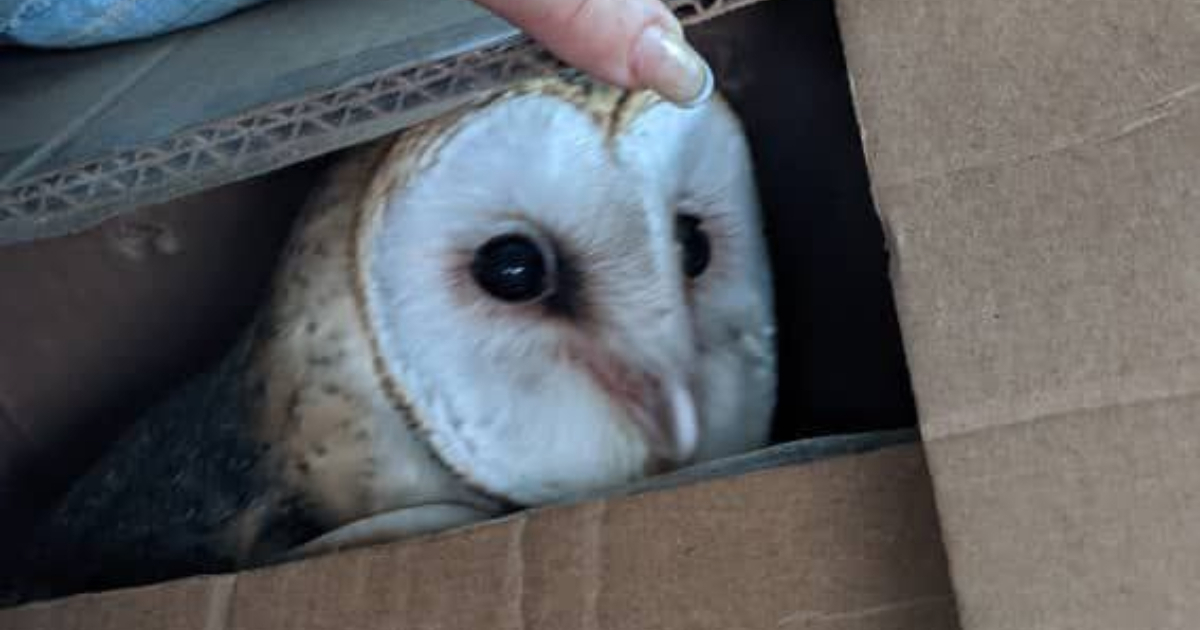
The organization Protección Animal SOS – PASOS reported this Wednesday through its social media account the death of an owl that was rescued after being illegally offered for sale on a page of the same social network.
The bird, allegedly captured for religious purposes, was purchased by activists from the group for 5,000 Cuban pesos, after successfully lowering the initial price of 10,000, emphasized the organization on Facebook.
"We bought it with the intention of returning it to its natural habitat," they explained in their post, where they publicly identified the person selling the animal, named Yaimara Cardenas.
However, despite the care received, the owl died the following day due to severe malnutrition, dehydration, and extreme stress caused by confinement and mistreatment, which is evidence of the harm inflicted by illegal wildlife trafficking.
Furthermore, the organization described the case as a clear indication of the urgent need to strengthen Cuban legislation on animal protection.
Although the 2021 Animal Welfare Decree-Law prohibits the sale of species that are crucial for biodiversity—such as the owl—and establishes penalties for mistreatment, in practice, these laws are applied with little rigor, allowing such practices to continue with impunity.
The organization emphasized that "no religion justifies abuse" and that such behaviors "are foreign to the pious and respectful vocation of true believers."
In their message, they held accountable those who capture animals for these types of rituals, often endemic or endangered species, and urged citizens to report any attempts at the commercialization of wildlife.
"The owl, a symbol of wisdom and spiritual guidance in many cultures, died due to causes that could have been avoided. Its tragic end reminds us of the importance of acting with awareness and respect towards all forms of life," concluded the animal rights activists' statement.
In 2024, public outrage grew in Cuba following the revelation of the sale of red squirrels in Havana, an invasive species being sold on social media.
The activist Elizabeth Marela Cardoso denounced that vendors profit from animal suffering and criticized the inaction of the authorities. Posts in Facebook groups showed cages with squirrels and offers for bulk purchasing, highlighting the impunity of the informal market. The economic crisis was identified as a factor driving many into these types of activities.
Days ago, a video showing an owl in captivity being offered for 20,000 Cuban pesos in a Facebook group in Havana sparked a wave of outrage.
The image of the bird trapped in a metal bucket, along with comments from those interested in buying it for religious practices or resale, sparked strong reactions from activists and citizens. Although the seller lowered the price, the evident mistreatment prompted calls for the enforcement of the Animal Welfare Law of 2021, whose implementation remains weak and controversial.
This Tuesday, park rangers in Santiago de Cuba in the municipality of Guamá. Authorities intervened after detecting the capture of species for sale in the informal market, although they did not specify how many animals were freed or if any arrests were made.
Events like these led to last Dog Day in Cuba, when activists and advocates for animal rights held an emotional pilgrimage at the Colón Cemetery in Havana to demand that the Animal Welfare Law be strictly enforced and effectively penalize abuse.
The action was reported on social media by the group Protección Animal SOS - PASOS, which highlighted that this was the largest pilgrimage to the so-called Tomb of Fidelity, where the remains of Jeannette Ford Ryder, a historic advocate for animals, and her dog Rinti, who stayed by her side until her death, rest.
Frequently Asked Questions about Illegal Wildlife Trafficking in Cuba
What happened to the owl rescued in Cuba?
The owl rescued by the organization Animal Protection SOS - PASOS died the day after being recovered due to malnutrition, dehydration, and extreme stress caused by confinement and mistreatment. This tragic event highlights the devastating consequences of the illegal wildlife trafficking in Cuba.
What is the situation of illegal wildlife trafficking in Cuba?
Illegal wildlife trafficking in Cuba is a persistent problem, facilitated by the lack of strict enforcement of existing laws. Despite the existence of the Animal Welfare Decree-Law of 2021, which prohibits practices such as the sale of species of high value for biodiversity, the legislation is applied with little rigor, allowing these illegal practices to continue with impunity.
What measures have been proposed to combat wildlife trafficking in Cuba?
Animal Protection SOS - PASOS and other organizations have emphasized the urgent need to strengthen Cuban legislation on animal protection and to enforce existing penalties more rigorously. Citizens have also been called upon to report any attempts to commercialize wild animals.
How does wildlife trafficking affect biodiversity in Cuba?
The wildlife trafficking seriously threatens biodiversity in Cuba, as many of the captured species are endemic or endangered. The capture and sale of these species not only affect the individuals involved but also put ecosystems at risk by disrupting the natural dynamics of local fauna and flora.
Filed under: