
Related videos:
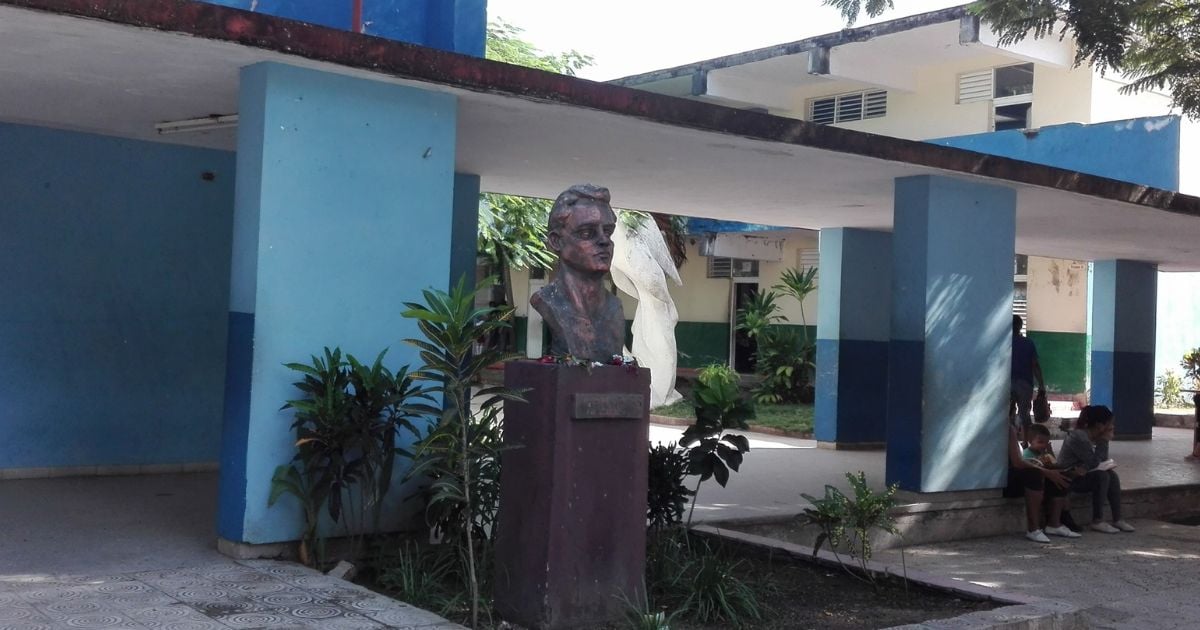
The state newspaper Periódico 26, from the province of Las Tunas, recently acknowledged in an article the rise of violence in school environments, following the assault of a high school student near the sports area of the Jesús Argüelles primary school.
According to the text, the incident occurred in broad daylight and involved older youths who attacked the minor in an area used by students from different schools.
Although the victim does not belong to the primary school, the proximity of the incident to the school caused alarm among parents, neighbors, and teachers, as well as concern for the younger children who witnessed or heard about what happened.
According to the official media, this area, frequented by students of various levels, has not been the first time it has turned into a scene of fights, shouting, and disturbances.
On this occasion, the incident was recorded on mobile phones and quickly shared among students, including some pioneers of the primary school itself.
The article warns about the risks of normalizing school violence, particularly in a society with multiple tensions and shortcomings.
“Be careful not to normalize violence,” warns the media, recalling the tragic incident of a teenager who was killed by another several months ago in the same province.
The text also denounces that some young people go out into the streets armed with pipes, stones, or bats.
In addition to holding absent or overwhelmed families accountable, the publication emphasizes the need for a more severe and coordinated response from institutions, criticizing the government, which also bears responsibility for these violent events.
"If there are young people who cannot distance themselves from problems, there should be institutions designed to reform them. Acting accordingly can make the difference between life and death," the text concludes.
The fact that the official press itself addresses these episodes with a critical tone reflects a growing concern for the environment in which Cuban children and adolescents are being raised, as well as the institutional void in the face of the escalating youth violence.
In recent years, various media outlets and official statements have confirmed a sustained increase in violence in Cuba, a phenomenon that affects not only public spaces but also school areas.
By June 2024, the regime acknowledged the rise in crime, including the use of firearms, according to statements from First Colonel Eddy Sierra Arias, head of the Revolutionary National Police, who linked the phenomenon to drug trafficking, smuggling, and a deterioration of ethical values in Cuban society.
A month later, the ruler Miguel Díaz-Canel publicly acknowledged the increase in violence, crime, and addictions in the country during a session of the National Assembly. Despite the efforts claimed by the Ministry of the Interior, the leader admitted that the situation remained complex and that a firmer response from all social sectors was necessary.
Even a poll published by the official magazine Bohemia in November 2023 revealed that 92% of those surveyed perceived a significant increase in violence on the streets, while almost half knew someone who had been a direct victim of a violent incident. These figures, although coming from media outlets supportive of the regime, reinforced the widespread sense of insecurity among Cubans.
Additionally, the official press has acknowledged the lack of clear protocols and public statistics on these issues, as stated in an article from February 2023. The absence of official data not only limits institutional response capacity but also contributes to public disbelief in the versions provided by state media.
To close the year 2024, the government confirmed that crime remained high, as reported in December. Despite the measures taken, including new controls and operations, the situation did not improve.
Frequently Asked Questions about School Violence in Cuba
What is causing the increase in school violence in Las Tunas?
The increase in school violence in Las Tunas is attributed to several factors, including the presence of young people armed with dangerous objects such as pipes and bats. The official media acknowledges that the lack of an adequate response from institutions and the absence of effective control are contributing factors to this phenomenon. Additionally, the context of tensions and shortages in Cuban society exacerbates this situation.
How is the Cuban government responding to school violence?
The Cuban government has been criticized for its lack of effective action in preventing school violence. Although the need for more stringent and coordinated actions has been acknowledged, the criticism focuses on the lack of accountability and action from institutions to reform young individuals involved in violent acts. The government's response has been deemed inadequate in light of the growing concerns about safety in schools.
What impact does school violence have on students in Las Tunas?
School violence in Las Tunas has raised alarm among parents, neighbors, and educators, affecting the educational and emotional environment of students. The youngest children who witness or hear about these incidents experience worry and anxiety, which can negatively impact their emotional and academic development.
Filed under: