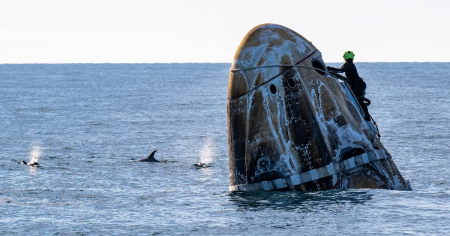
As part of an effort to revive the struggling tourism sector, the Cuban regime has relaunched a program of dolphin-assisted therapies at luxury hotels in Cayo Guillermo, aimed at attracting foreign families interested in medical and wellness services.
According to a report this Tuesday from Travel Trade Caribbean, the Cuban Medical Services Marketing Agency introduced the program during the International Fair “Health for All 2025” and the II International Fair of Medical and Wellness Tourism, held at the Pabexpo exhibition center in Havana.
The proposal, called "specialized well-being," is aimed at families with children who have neurodevelopmental disorders, such as autism, ADHD, or intellectual disabilities.
The packages include 14-night stays at hotels in the Blue Diamond chain, with daily access to the nearby dolphinarium at Starfish Cayo Guillermo.
The therapy sessions combine two hours of medical rehabilitation—conducted by the team at the Vital Cuba branch in Ciego de Ávila—and one hour of interaction with dolphins, all in a comfortable environment with adapted infrastructure, which is a far cry from the conditions faced by Cuban families within the country.
According to the organizers, the rooms were designed without architectural barriers and with sensory stimuli such as the sound of the sea and native vegetation.
Additionally, clients will receive an initial assessment, nutritional advice, personalized follow-up, and access to the hotel's healthy restaurants.
The medical team consists of pediatricians, psychologists, and specialists in physical medicine and rehabilitation, who work alongside trainers from the dolphinarium with experience in therapeutic treatments and proficiency in English, which is quite rare in the national healthcare system.
The relaunch of this service takes place amidst a profound crisis in the Cuban public health system, characterized by deteriorating hospitals, a lack of essential medications, and power outages affecting critical services.
Despite this, the regime continues to bet on international medical tourism as a key source of income, which contrasts with the sector's debacle in recent years.
The authorities insisted on promoting Cuba as an "integral destination for health and quality of life," amidst a national scenario marked by the healthcare precariousness affecting millions of Cubans.
On another note, Cuba will host the International Tourism Fair (FitCuba 2025) from April 30 to May 3, at the Morro-Cabana park in Havana, while facing one of its worst energy and food crises in decades, characterized by prolonged blackouts, widespread shortages, and the worsening of the national economic situation.
The information was disclosed by the Minister of Tourism, Juan Carlos García Granda, in statements reported by the Cuban News Agency and echoed by the official portal Cubadebate, in which he advocated for the event as a “very timely commercial action in a challenging environment, when there is more work to be done.”
The regime is desperately seeking any alliance that can provide a breather for its finances. For this reason, a joint venture recently established between Tumey Travel Agency (China) and Gaviota Tourism Group (Cuba) launched a mobile application designed exclusively for tourists from the Asian giant.
The idea aims to attract visitors from Asia through a model of technological integration that, paradoxically, operates far beyond the actual conditions of the tourist infrastructure on the island.
In that context, the regime recently introduced a new line of cereals called Guaní, specifically created to supply the tourism sector.
Frequently Asked Questions about Dolphin Therapies in Cuba and the Context of Medical Tourism
What does the Cuban regime seek with the relaunch of dolphin therapy?
The Cuban regime seeks to reactivate the tourism sector by offering dolphin-assisted therapies in Cayo Guillermo, targeting foreign families with children who have neurodevelopmental disorders. This strategy aims to attract international tourism amid an economic and health crisis on the island.
How are therapy sessions with dolphins conducted in Cayo Guillermo?
The therapies combine two hours of medical rehabilitation with one hour of interaction with dolphins in a comfortable and adapted environment. The program is led by specialists in neurodevelopment and takes place in luxury hotels, additionally providing nutritional advice and access to wellness facilities.
What is the situation of the healthcare system in Cuba in the context of these therapies?
The Cuban healthcare system is facing a serious crisis, with deteriorating hospitals and a lack of essential medications. Despite this, the government prioritizes international medical tourism, which contrasts sharply with the precarious health conditions experienced by millions of Cubans.
What criticisms has the focus on medical tourism in Cuba received?
The focus on medical tourism has been criticized for prioritizing foreign income over the basic needs of the local population. The scarcity of resources and the lack of adequate care in Cuban hospitals illustrate a contradiction between the promotion of health services for foreigners and the reality faced by Cuban citizens.
Filed under: