Amid a context characterized by the chronic shortage of medical supplies, Cuba has introduced a new line of orthopedic supplies provided by the state-owned Chinese company Meheco, aimed at alleviating the resource crisis in the health sector.
According to the official newspaper Granma, the products were showcased during the workshop Orthopedic Excellence, Healing Together, held on the second day of the XVI International Fair Health for All.
The line includes plates, screws, intramedullary systems, and orthopedic prostheses for the treatment of fractures and degenerative joint injuries, medical supplies that are in short supply in the Cuban healthcare system.
Among the highlighted products are replacements for hips, knees, and shoulders, which are vital in a country with an aging population and high rates of accidents.
Cristina Lara Bastanzuri, national director of Medicines and Technology at the Ministry of Public Health, stated that these materials will address an urgent need given the current shortage of medical supplies on the island.
He also indicated that their distribution could be expedited since they already have approvals in several Latin American countries and are progressing with their registration in Cuba.
Lázaro Silva Herrera, vice president of MediCuba, explained that the selection of these supplies will be made in consultation with national specialists to determine which variants best meet the needs of the Cuban system.
Silva justified the shortage of orthopedic products in healthcare facilities in Cuba by citing "the financial limitations facing the country," and also noted that "with this Asian company, which has had over 40 years of relations with Cuba, we have previously received hearing aids, surgical sutures, and other materials."
Although the authorities emphasize the quality of the products and their availability in regional markets, the dependence on a single foreign supplier and the persistence of economic obstacles currently limit the scope for a structural solution.
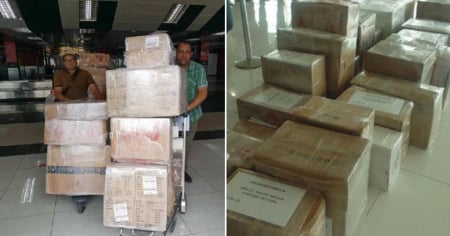
Recently, about 500 kilograms of medical supplies arrived in the province of Santiago de Cuba, as part of a donation organized by Cuban collaborators in Jamaica, in an effort to alleviate the severe health crisis affecting the public health system on the island.
According to the official newspaper Granma, the delivery was received on the tarmac of Antonio Maceo International Airport and was coordinated by workers from the Health and Education sectors, members of Cuba's State Mission in Kingston, along with supportive Jamaican entrepreneurs.
This situation of shortages in Cuba, which was confirmed by the ruler Miguel Díaz-Canel in 2024, has persisted to this day, impacting the healthcare of thousands of people across the country.
Frequently Asked Questions About the Medical Supplies Crisis in Cuba
How is Cuba trying to alleviate the shortage of medical supplies?
Cuba is trying to alleviate the shortage of medical supplies by importing products from China, specifically through the Chinese state company Meheco, which supplies prosthetics, screws, and orthopedic plates. These materials are essential for treating fractures and degenerative joint injuries, especially in a country with an aging population. However, this reliance on a single foreign supplier does not resolve the structural crisis facing the Cuban healthcare system.
What impact does the shortage of medical supplies have in Cuba?
The shortage of medical supplies in Cuba severely impacts medical care, forcing healthcare professionals to use improvised solutions, such as buttons instead of proper sutures. This situation reflects the deterioration of the Cuban healthcare system, which was once considered a model internationally. The lack of resources puts the population's health at risk and highlights the regime's inability to guarantee basic medical services.
What role does international collaboration play in Cuba's health crisis?
International collaboration plays a crucial role in Cuba's health crisis, with donations of medical supplies coming from countries like Jamaica and China. These aids are managed by Cuban collaborators and supportive entrepreneurs, but they are only temporary palliatives that do not address the structural shortcomings of the Cuban healthcare system. The reliance on these external aids highlights the lack of autonomy and effective management within the country.
What limitations does the Cuban healthcare system face in addressing its current crisis?
The Cuban healthcare system faces financial and structural limitations that hinder the resolution of its current crisis. Authorities have cited economic restrictions and the U.S. embargo as contributing factors, but the issue lies in poor state management, corruption, and a lack of political will to implement necessary reforms. These conditions have led to a chronic shortage of medications and supplies, affecting the quality of medical care across the island.
Filed under: