
Related videos:
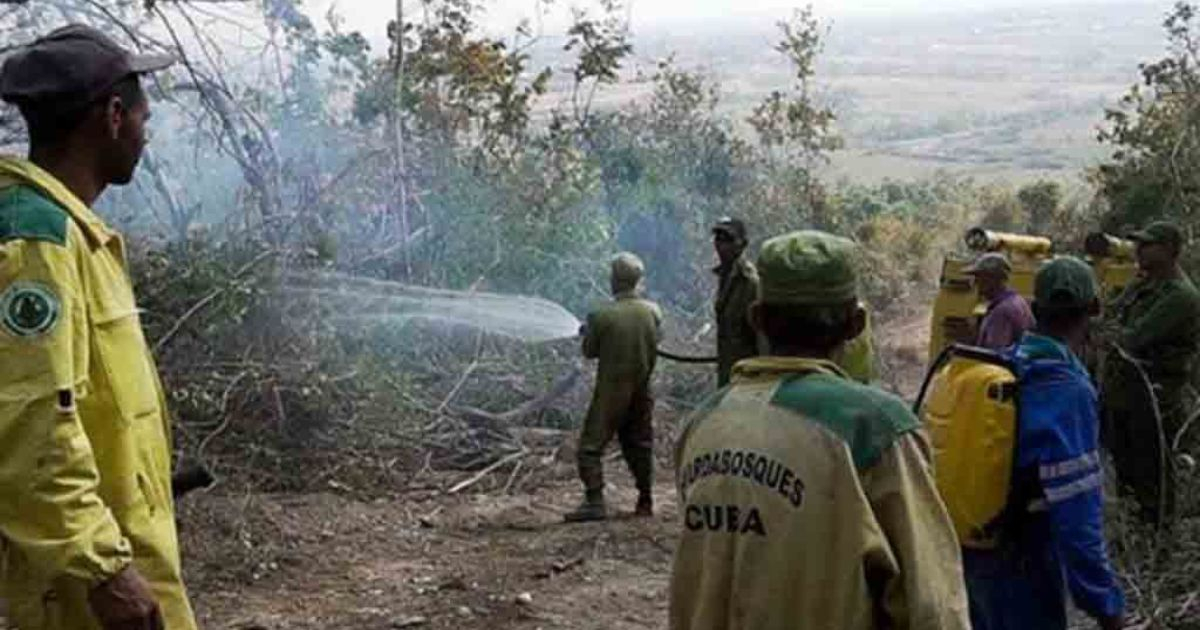
The province of Pinar del Río is facing one of the most critical situations in recent years due to the spread of wildfires that have devastated more than a thousand hectares of forested areas in just a few days.
According to the local newspaper Guerrillero, the combination of extreme drought, high temperatures, and strong winds has made it difficult to control the fire.
Lieutenant Colonel Alexander Pereda Burón, head of the Forest Rangers in the area, confirmed that in the Arenal zone, located in the municipality of Minas de Matahambre, a large-scale fire has already consumed nearly 200 hectares of pine trees.
Additionally, two other active hotspots are reported in Consolación del Sur, specifically in Piloto and El Chorrito.
Although the flames have reached areas of high forest value, with over 800 hectares of pine forests damaged, authorities highlight that preventive measures have managed to avoid human casualties and protect communities, especially in the municipality of Mantua, where fires also occurred days earlier.
However, adverse weather conditions have turned this dry season into one of the most challenging in recent years for the western region of Cuba.
"The intensity of the winds and the prolonged drought mean that a simple oversight can turn into a disaster," Pereda warned.
In light of this emergency, the authorities have issued an urgent call to the population to take extra precautions.
Key recommendations include avoiding agricultural waste burning, refraining from tossing cigarette butts in rural areas, preventing poaching in wooded regions, and ensuring the use of spark arresters in agricultural or forestry vehicles.
These actions, experts emphasize, are essential not only to curb the current fires but also to protect the forest ecosystems and biodiversity of a province that has historically been one of the country's main green lungs.
According to the official newspaper Granma, four wildfires have already been contained, including two large-scale incidents that occurred in the municipalities of San Juan and Martínez (470 affected hectares) and Mantua (120 hectares).
However, three hotspots remain active, including a large one in El Arenal, Minas de Matahambre, and two others in Consolación del Sur.
The experts quoted by Granma also stated that, despite the progress of the fire, none of the fires pose a direct danger to the population; however, they emphasized that the intense drought, winds, and dry vegetation continue to hinder the firefighting efforts.
Frequently Asked Questions about Wildfires in Pinar del Río
What is the current situation of the wildfires in Pinar del Río?
The province of Pinar del Río is facing a critical situation with several active wildfires that have ravaged over a thousand hectares of forests, mainly pine trees. Adverse weather conditions, such as extreme drought and strong winds, have complicated containment efforts.
What measures are being taken to control wildfires?
The authorities have deployed specialized brigades and technical resources to contain the fires. Bulldozers are being used to create firebreaks and techniques such as backburning. Additionally, recommendations have been issued to the public to avoid practices that could ignite new fires.
What are the main causes of wildfires in Pinar del Río?
The majority of the fires have been caused by human actions, such as uncontrolled agricultural burning, the irresponsibility of smokers, and the use of vehicles without spark arresters. Only a small percentage are due to natural causes, such as lightning strikes during storms.
What impact do the fires have on the ecosystem of Pinar del Río?
Wildfires are devastating areas of high ecological value in Pinar del Río, impacting the biodiversity and natural resources of the region. The destruction of pine forests, in particular, diminishes the green lungs of the province, which is one of the most reforested in Cuba.
Filed under: