
Related videos:
The death of Zoila Esther Chávez Pérez, 84 years old, mother of the independent writer and journalist José Gabriel Barrenechea, is a heartbreaking symbol of the institutionalized dehumanization imposed by the Cuban regime.
His story is not an isolated case or an administrative error; it is a direct consequence of a system that has made repression a state policy, cruelty a tool of control, and neglect a form of collective punishment.
José Gabriel Barrenechea has been imprisoned since November 2024 at La Pendiente prison, charged with the alleged crime of “public disorder” for having peacefully protested in Encrucijada, Villa Clara, during a power outage that lasted 48 hours.
A civic protest in the context of the severe energy crisis that the island is experiencing was enough to turn him, in the eyes of the authorities, into an internal enemy. As is the case with hundreds of Cubans who dare to raise their voices, the State does not limit itself to punishing them: it goes further and punishes their families, their surroundings, their humanity.
Barrenechea is not only an intellectual opponent of the regime, but he was also the sole caregiver for his mother, an elderly woman with cancer and chronic illnesses, who depended entirely on her son for food, medication, and survival.
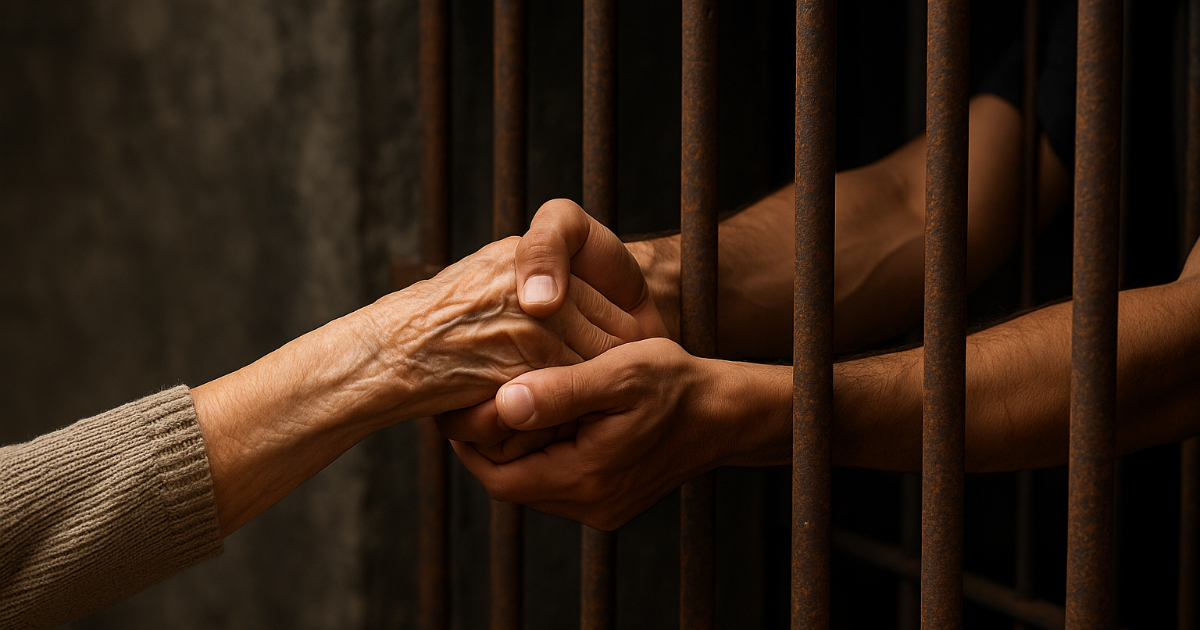
Since her arrest, Zoila did not see him again. She had no transportation or means to reach the prison. She did not receive assistance from the State. She died after being hospitalized for a severe drop in her hemoglobin, exacerbated by stress, loneliness, and neglect.
Passed away asking for her son's release. She passed away, like so many mothers in Cuba, waiting for justice in a country that does not provide it.
Even more serious: as noted by the non-governmental organization Cubalex, the legal deadline for preventive detention—imposed by the Cuban Prosecutor's Office for a maximum of 90 days—expired on February 13, 2025.
Since then, José Gabriel is being held illegally, in clear violation of international principles for the protection of detained persons, such as those established by the United Nations.
The authorities have ignored the right to due process and have extended his captivity without legal justification or a trial date. Barrenechea's imprisonment is, therefore, not only unjust but also arbitrary and illegal.
Persecution is not new. The Cuban repressive machinery has refined over the years a strategy that combines the criminalization of protest with the emotional and physical isolation of dissenters. It punishes not only those who rebel but also those who love them, those who care for them, and those who suffer for them.
In today's Cuba, being an opponent means putting your elderly parents, your small children, your friends, and your neighbors at risk. The message is clear: repression does not limit itself to the individual; it spreads like a plague over their entire life.
Zoila, like thousands of Cubans, spent her final days without access to medication, without adequate food, and without companionship or comfort, because the State took her son away and denied her the care that she was entitled to.
The Inter-American Convention on the Protection of the Human Rights of Older Persons recognizes the right to receive adequate care, and the failure of the Cuban government to comply constitutes a flagrant violation of human rights.
The civil society organizations that have raised their voices for José Gabriel Barrenechea not only demand his immediate release but also that of all Cuban political prisoners. Furthermore, they call for recognition of the human tragedy behind each arbitrary imprisonment, behind every cell occupied by those who dare to demand dignity.
Zoila died without justice, but her story transcends her death. It is a portrait of the suffering that thousands of Cuban families are condemned to for daring to dissent. It is a cry that must break the international silence. Above all, it is an irrefutable accusation against a regime that has lost all moral legitimacy.
In the name of Zoila and all the mothers who die waiting, this pain cannot be forgotten.
Filed under:
Opinion article: Las declaraciones y opiniones expresadas en este artículo son de exclusiva responsabilidad de su autor y no representan necesariamente el punto de vista de CiberCuba.