
Related videos:
The film Plantadas, co-directed by Lilo Vilaplana, was recognized this weekend with the Best Direction award at the South Beach Film Festival, as reported by the filmmaker himself on his social media.
With this distinction, Plantadas has now won five awards at various international festivals, establishing itself as a reference work in social denunciation cinema regarding repression in Cuba, Vilaplana emphasized on Facebook.
The film pays tribute to Cuban women who were imprisoned for political reasons during the decades of totalitarian control under the Castro regime.
"Thank you to everyone who contributed, participated, and supported this film that pays tribute to political prisoners in Cuba, victims of the Castro dictatorship," Vilaplana wrote in his post.
Moreover, it was recalled that Plantadas is available on several digital platforms: Roku, Filmin, ViX, and Fawesome.tv, which makes it easier for international audiences and the Cuban diaspora to access.
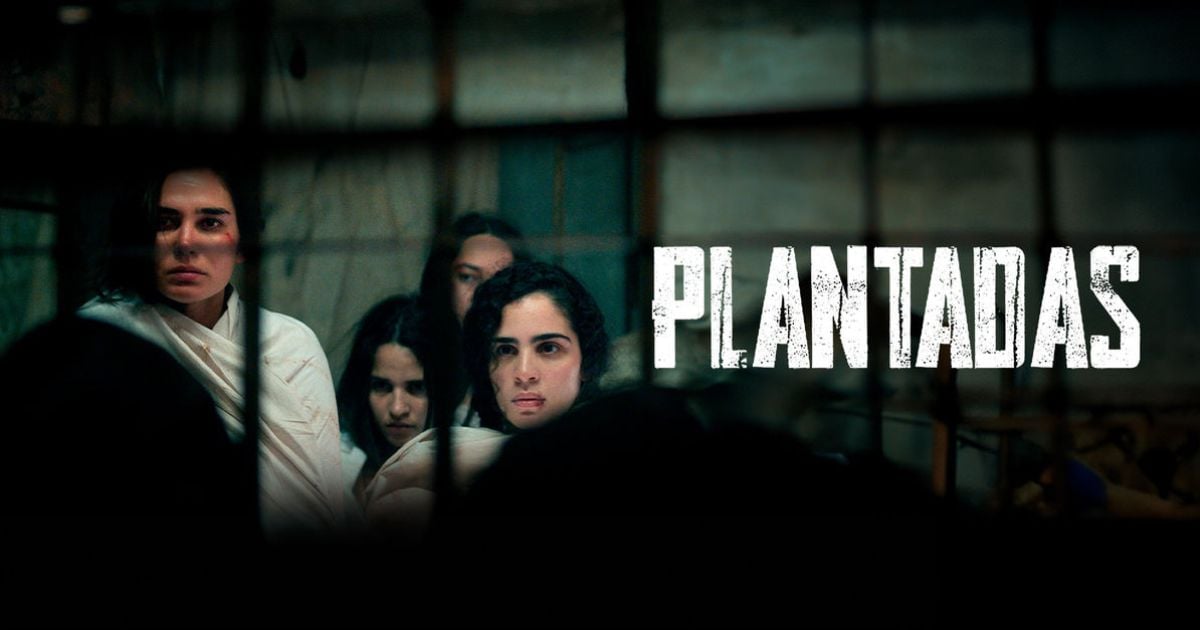
The film tells the story of several women imprisoned for their activism against the Cuban regime, exposing the inhumane conditions they endured, as well as the physical, emotional, and moral toll of dissent.
Through a solid dramatic structure and a testimonial approach, Plantadas brings to light a vital part of the historical memory of exile and female resistance in Cuba.
The recognition in Miami, a key city for the Cuban community abroad, reinforces the political and emotional impact of the film, which has become a symbol of protest for many both inside and outside the island.
Since its premiere, the movie Plantadas has made a significant impact on audiences, particularly within the Cuban community in exile.
The film has been praised for rescuing the memory of women imprisoned for political reasons in Cuba and for starkly showcasing the suffering they endured under the Castro regime.
The musician Willy Chirino described it as “very intense and very well made,” highlighting its narrative and testimonial power. The film managed to stay in theaters for weeks in a Miami cinema, which solidified its positive reception among audiences.
Later, it was clandestinely screened in Cuba, breaking through the official information blockade and stirring reactions on social media. This alternative access highlighted the interest in learning about a story that the state apparatus has attempted to conceal.
In his statements, Vilaplana has highlighted the international expansion of the film, with screenings in countries across Europe and Latin America, and has emphasized that the movie continues to spread an uncomfortable truth that many would prefer to ignore.
For the director, both Plantados and Plantadas have served to teach Cubans their true history, beyond official propaganda.
Currently, Vilaplana is raising funds for his upcoming film, focused on the Military Units for Production Aid (UMAP), the notoriously infamous forced labor camps created by Fidel Castro's regime in the 1960s to punish and "reeducate" political opponents, religious individuals, homosexuals, and others deemed "undesirable" by the communist system.
The director, known for works such as Plantadas, announced the campaign on his Facebook profile and called on Cubans inside and outside the island to support and share the initiative.
Frequently Asked Questions about the movie "Plantadas" and its impact
What recognition did the film "Plantadas" receive at the South Beach Film Festival?
"Plantadas" was awarded Best Direction at the South Beach Film Festival. This accolade adds to other international honors, establishing the film as a benchmark in socially critical cinema addressing repression in Cuba.
What is the main theme of the movie "Plantadas"?
The film pays tribute to Cuban women who were imprisoned for political reasons during the Castro regime. The movie highlights the inhumane conditions these women endured and the physical, emotional, and moral toll of their dissent.
Where can the movie "Plantadas" be watched?
"Plantadas" is available on digital platforms such as Roku, Filmin, ViX, and Fawesome.tv. This makes it easier for the international audience and the Cuban diaspora to access the movie.
Why is the film "Plantadas" important for the Cuban community in exile?
The film has become a symbol of protest against repression in Cuba, rescuing an essential part of the historical memory of exile and female resistance. Its recognition in Miami, a key enclave for the Cuban community abroad, reinforces its political and emotional impact.
Filed under: