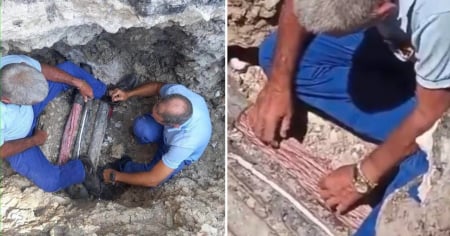
The Cuban regime has announced the start of "neighborhood debates" organized by the Committees for the Defense of the Revolution (CDR) beginning May 9, with the aim of addressing the vandalism against telecommunications networks of ETECSA in Havana.
The measure —which includes the participation of the Prosecutor's Office, the Revolutionary National Police, and officials from the Communist Party— aims to mobilize the population in a supposed defense of national infrastructure, according to Tribuna de La Habana.
However, for many Cubans, this represents a new tactic of social control, where the State mobilizes the people against their own people, while failing to address the structural issues that cause widespread dissatisfaction.
More control, but little solution
During a meeting at the headquarters of the Provincial Directorate of the CDR, led by figures from the Party and officials from ETECSA, numerous recent attacks on the telephone infrastructure were described: intentional fires, fiber optic cuts, and cable thefts, primarily aimed at reselling copper in the informal market.
According to the information presented, among the most serious incidents are: an arson in La Habana del Este that damaged a key fiber optic cable for local connectivity; the burning of a telephone cabinet in Marianao, leaving 400 users without fixed service; and the cutting of an 1,800 pair cable in Centro Habana, affecting both homes and institutions.
Despite these reports, the authorities do not acknowledge the deep-rooted causes of this situation: the economic crisis, unemployment, lack of opportunities, and a flourishing black market amidst the paralysis of the state apparatus. Meanwhile, the regime prioritizes repression and neighborhood control tasks, delegating surveillance and reporting to the CDR, without concrete solutions to improve services.
Diagnosis: structural crisis, not just vandalism
The Director of Security and Defense of ETECSA in Havana, Gerardo Oliva Cubillas, acknowledged that the levels of vandalism have nearly doubled compared to those recorded in 2023, with 50 incidents reported so far this year. In municipalities such as Arroyo Naranjo, Boyeros, and Cotorro, thefts of hundreds of meters of cable have been reported, affecting thousands of residential customers and state entities.
Furthermore, the use of illegal equipment that interferes with ETECSA's signal has caused critical failures in areas such as Santa Fe, Vedado, and Centro Habana, revealed Osniel Cruz Enrique, director of the Territorial Communications Office. It is estimated that up to 12% of the cells in Havana are affected by interference, many caused by unauthorized GSM devices and satellite connections.
Neighborhood repression, but no real solutions
While the government shows urgency in organizing rallies and "debates" aimed at ideological control and neighborhood denunciations, there are no effective plans to swiftly restore affected services, modernize infrastructure, or address the social and economic causes that fuel these types of crimes.
Every act of vandalism causes delays in minor repairs and halts improvement works in other areas, which contributes to the overall decline of services on the island.
Havana is not only facing vandalism; it is experiencing a sustained collapse of essential services amidst a systemic crisis that worsens due to the lack of structural reforms, covert repression as popular surveillance, and a directionless economy. Resources are available to incite the people against themselves, but none to pull them out of the tunnel.
Frequently Asked Questions About the Vandalism Against ETECSA in Havana and the "Neighborhood Debates"
What are the "neighborhood debates" organized by the Cuban regime?
The "neighborhood debates" are meetings organized by the Committees for the Defense of the Revolution (CDR) to mobilize the population in response to acts of vandalism against ETECSA's infrastructure in Havana. These events aim to promote social control and neighborhood surveillance, without addressing the underlying causes of the economic and social crisis facing the country.
What are the main acts of vandalism reported against ETECSA in Havana?
The main acts of vandalism include intentional fires, fiber optic cuts, and copper wire thefts, seriously affecting telecommunications services. Some of the most severe incidents have left hundreds of users without service and have been driven by the desire to resell copper in the informal market.
What consequences do these acts of vandalism have for the Cuban population?
The consequences of these acts include interruptions in telephone and internet services, affecting both residential users and state entities. In a context where connectivity is limited and expensive, these interruptions exacerbate the daily challenges faced by Cuban citizens.
How is the Cuban regime responding to these vandalistic acts?
The Cuban regime has chosen to organize "neighborhood debates" and increase community surveillance through the CDR, instead of providing concrete solutions to improve services. This response focuses more on social control than on addressing the economic and social causes that lead to these acts.
What criticisms have been raised regarding the Cuban government's measures against the vandalism directed at ETECSA?
The criticism focuses on the fact that the government's measures are more geared towards repression and social control than towards real solutions for the structural problems facing Cuba. The lack of investment and modernization of ETECSA's infrastructure, along with the rising economic tensions, are factors not addressed by the regime.
Filed under: