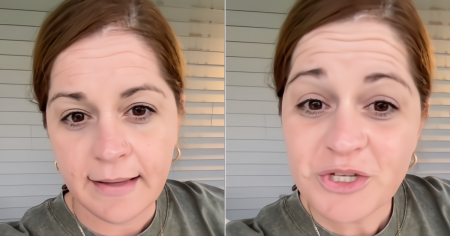
The Cuban user @thaimisanchez, who has been living in the United States for over a decade, shared a video on TikTok that has become viral due to her raw testimony after a brief trip to Cuba. In the footage, the young woman expresses the deep impact that the physical and emotional deterioration she observed during her stay had on her: “I feel lost, I can't find the words to describe the situation. Cuba is a disaster. There is no life there,” she said, visibly affected.
The Cuban woman recounted that throughout her visit, they spent most of the time without electricity. She asserts that the blackouts are not just a technical issue, but a mechanism of social control: "This is a form of torture. The power goes out at 8 and comes back at 4. So, you wake up in a panic to cook before it goes out again," she lamented. For her, this cycle of deprivation has impacted the population so deeply that there is little motivation left for even the most basic needs.
Thaimi also referred to the lack of cleanliness and neglect in the streets, comparing the situation to her childhood. “I remember that even though we were poor, people cleaned and painted with whitewash. Now there's a mess... dirt. But people are so sad and focused on what they will eat that they don't think beyond that, she stated. For her, the collective discouragement is one of the most alarming signs of the current decline.
The video triggered a flood of reactions among TikTok users, many of whom shared similar experiences. “Every time I go back, I come back more sad,” wrote one user. Others described life on the island as “a concentration camp” or “a psychological torture.” Even users who haven't returned in years agreed that the situation has worsened to the point of becoming emotionally unsustainable.
Nevertheless, there were also those who defended the right to return for family reasons. “I don't feel the blackouts next to my children, my parents. That is my truth,” commented a user. Some criticized the act of speaking negatively about Cuba from abroad, while others defended the testimony as a form of emotional release. Thaimi responded to the criticism by assuring that her intention was not to attack, but to share the pain left by confronting a devastating reality.
Beyond the differences of opinion, the video has served as a catalyst for a recurring debate among Cubans both inside and outside the island. For many, it represents a legitimate expression of the migratory grief and the helplessness in the face of a nation in ruins. “Cuba has been a disaster since 1959,” stated one comment among hundreds, reflecting a viewpoint shared by those who see no signs of change. Thaimi's testimony has given voice to the emotional impact that a country, for millions, is no longer recognized.
Frequently asked questions about the situation in Cuba and its emotional impact on Cubans
How do blackouts affect daily life in Cuba?
Power outages in Cuba severely disrupt daily life, affecting everything from food storage to communication and the use of household appliances. Furthermore, the prolonged blackouts contribute to an atmosphere of frustration and discontent among residents, further complicating living conditions on the island.
What do Cubans living abroad think about the situation in Cuba?
Many Cubans living abroad express deep pain and frustration upon seeing the current situation in Cuba. Returning to the island, even for brief visits, is often an emotionally devastating experience, as they confront a country in continuous decline, with frequent blackouts and difficult living conditions.
What impact does the economic crisis in Cuba have on families?
The economic crisis in Cuba has severely impacted families, who are facing shortages of food, water, and basic services. This situation has generated desperation and a sense of helplessness among Cubans, both on the island and abroad, as the ongoing deterioration complicates daily life and emotional well-being.
How is the situation in Cuba reflected on social media?
In social media, many Cubans use platforms like TikTok to highlight the harsh living conditions on the island. Viral videos showcase the creativity and resourcefulness of people trying to survive amid the crisis, often using humor and irony to criticize the current situation and express their discontent towards the Cuban government.
Filed under: