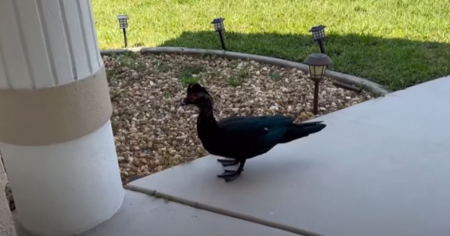
In Miami, roosters, hens, and wild chicks have become part of the urban landscape. What began as a practice of raising poultry in backyards has now transformed into a visible phenomenon in areas such as Little Havana, Wynwood, and downtown.
These birds stroll among the gardens of the skyscrapers and even in the government areas. Most people observe them without much thought, but in many cases, they start to draw attention due to the mess they create.
Not all neighbors have embraced the poultry in the streets with open arms. For some, the morning crowing of the roosters is annoying, while for others it symbolizes cultural identity and renewal.
A report by AFP indicates that the roots of the phenomenon trace back to migration from Cuba and other Latin American countries, where raising chickens was a common practice. For about 20 years now, the birds have begun to escape from backyards and roam the streets.
In 2002, the colorful rooster statues that adorn Calle Ocho became a reflection of this cultural heritage, and since then, these animals have been a symbol of the city.
The population of poultry has recently multiplied due to the increase in egg prices, which has led many residents of South Florida to seek more economical and sustainable alternatives, such as the raising of chickens in their own backyards.
What prejudices are caused by having free-range chickens in the city?
- Association with poverty: They are seen as a symbol of backwardness or urban disorder.
- Clash with the modern image: They contradict the idea of a modern and developed city.
- Health fears: Many believe they bring dirt, unpleasant odors, or diseases.
- Impact on gentrification: New neighbors may view them as a "nuisance" and request their removal.
- Legal stigma: It reinforces the perception that laws are not upheld in certain neighborhoods.
- Cultural discrimination: Its presence is linked to the customs of Latin or rural communities that are sometimes undervalued.
What future awaits the wild roosters of Miami?
Paul George, a historian at the History Miami Museum, pointed out that the future of these animals is uncertain. Real estate expansion and gentrification threaten to displace both residents and their feathered pets.
"I don't think those who spend over a million dollars on a home will tolerate the noise," he said. He also warned about the presence of invasive peacocks in nearby areas, which could lead to new conflicts.
Residents could demand compliance with the ordinances prohibiting poultry in residential areas. While changes in public spaces are on the way, the roosters remain free, challenging bureaucracy with every crow.
In a city that is rapidly changing, these animals represent a piece of the past that resists disappearing. Meanwhile, tourists and locals continue to take pictures of them, feed them, and debate their place in the future of Miami.
Frequently Asked Questions about Wild Roosters in Miami
Why are there wild roosters on the streets of Miami?
Wild roosters in Miami are the result of a cultural tradition that dates back to the migration from Cuba and other Latin American countries, where raising chickens was common. Over time, some birds escaped from backyards and established themselves in the streets.
What problems do the roosters cause on the streets of Miami?
The presence of roosters on the streets of Miami creates several issues. They can be seen as a symbol of urban disorder and backwardness, in addition to raising health concerns due to dirtiness and possible diseases. They can also be bothersome for neighbors because of the noise they produce.
What future awaits the wild roosters in Miami?
The future of the wild roosters in Miami is uncertain, as real estate expansion and gentrification could displace both the residents and these birds. However, as changes arrive, the roosters continue to defy the norms with their presence.
Filed under: