
Related videos:
Flamingos, with their pink plumage and elegant silhouette, have become an inseparable emblem of Miami. Although they now adorn everything from murals to souvenirs, their connection to the city has deep roots and a history of resilience.
In the early 20th century, flamingos were common in the wetlands of southern Florida. However, according to the Instagram account Only in Dade, indiscriminate hunting for their feathers and habitat loss nearly eradicated them.
For decades, their presence was so rare that many considered them exotic species that had escaped captivity. It was only through recent research that their status as native birds in the process of recovery was confirmed.
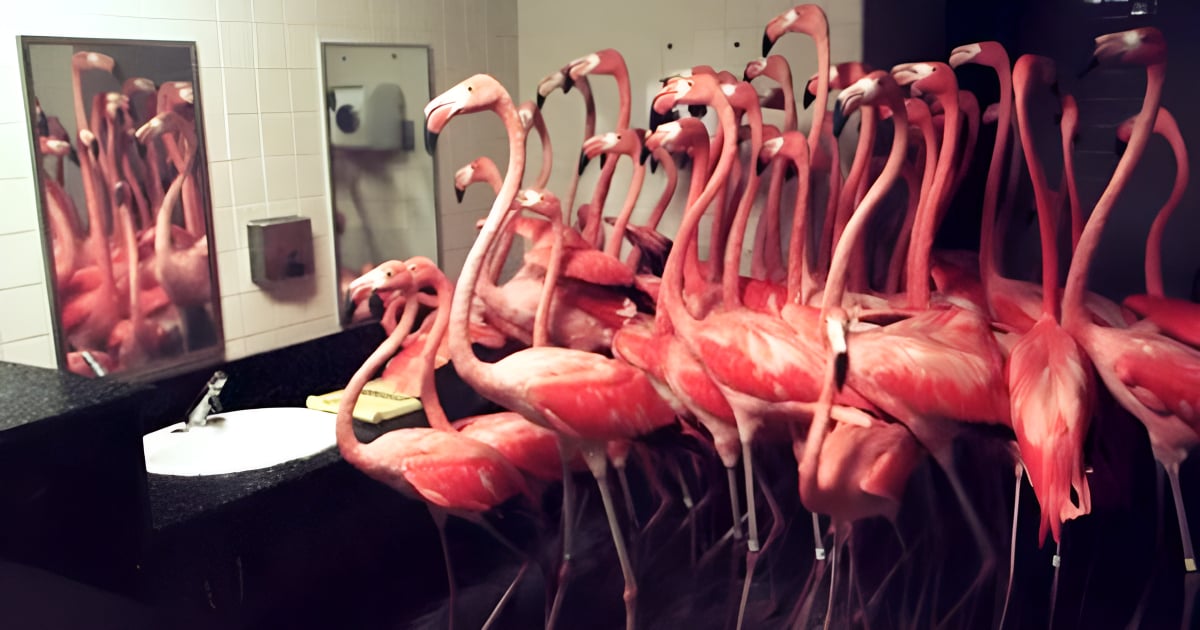
A turning point in its symbolism occurred in 1992, when Hurricane Andrew struck Miami. Ron Magill, then assistant curator of the Miami Metrozoo, moved 38 flamingos to a zoo bath to protect them from the storm.
The image of the birds huddled together in that unusual space went viral, capturing global attention and solidifying the flamingo as a symbol of resistance and hope.
Since then, flamingos have been embraced as a cultural icon of Miami. Their image appears in logos, urban art, and events such as the Miami Beach Gay Pride, where they represent the diversity and vibrant spirit of the city.
Additionally, iconic places like the Hialeah Park Race Track have maintained colonies of flamingos since the 1930s, reinforcing their presence in the collective imagination.
Today, flamingos not only beautify the urban landscape but also symbolize Miami's ability to reinvent itself and celebrate its rich biodiversity and culture.
Filed under: