
Related videos:
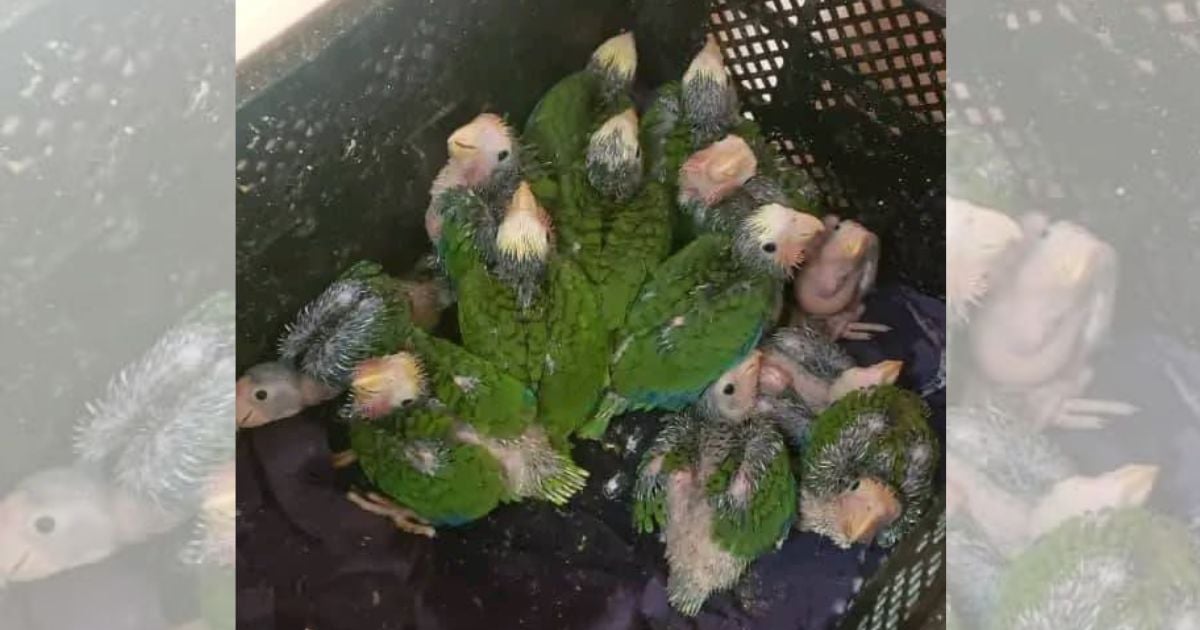
A post offering at least 12 Cuban parakeet chicks for 5,000 pesos each has once again raised alarms about the illegal trafficking of protected wildlife in Cuba, highlighting the open and uncontrolled sale of an endemic species that is in a vulnerable state.
The complaint was filed by activist Ana Belkys Hernández Millán through her profile on Facebook, in an open letter where she harshly criticized that this illegal activity not only persists but also takes place openly during the day on social media, with visible photographs, prices, and contacts, as if it were a legitimate business tolerated by the authorities.
"What message does this send to the citizens? Where does the weight of our laws stand?" questioned Hernández Millán, recalling that the Cuban parrot (Amazona leucocephala) is not only a protected species but also a living symbol of national identity and the ecological balance of the country.
The message highlights a structural failure in the environmental control system and directly calls out organizations such as CITMA, MINAGRI, and MININT for their lack of coordinated and visible response to a crime that occurs with complete impunity.
Additionally, a series of questions remain unanswered by the authorities: “Who investigates these cases? Who tracks and reports online publications? What concrete actions are being taken to stop this chain of environmental crime?”
In his complaint, Hernández points out that speeches and symbolic laments are not enough, and he demands real political will, as well as effective environmental monitoring and oversight.
It also calls for the application of existing legal mechanisms, which often remain on paper rather than being put into action.
"The institutional silence and inaction are condemning species like the Cuban parrot to a slow death behind the bars of the black market," warned the author, who concluded her message by calling for justice for the country's wildlife.
Recently, the Animal Welfare Cuba (BAC) group, in its Havana chapter, reported the illegal sale of an injured aura tiñosa, which was offered as if it were a common merchandise in a WhatsApp group.
According to a post by BAC-Habana on their Facebook page, the protector Avril Gutiérrez detected on April 30, 2025, at 4:10 PM, an advertisement in the group "Compra y Venta Güinera," where a user identified as Mirelsy was offering a bird, a wild species identified as Cathartes aura, caged and in an evident state of mistreatment.
Similarly, in April, a social media post showing a captured owl being offered for sale in Havana sparked outrage and condemnation among internet users and animal rights advocates.
The incident occurred this Tuesday, when a user identified as Marlon Enmanuel Fernández shared a reel in the Facebook group "Alamar el barrio," where the bird can be seen confined inside a metal bucket, covered with a wooden board.
Recently, the organization Protección Animal SOS – PASOS denounced through its social media account the death of an owl that was rescued after being illegally offered for sale on a page of the same social network.
The bird, allegedly captured for religious purposes, was acquired by activists from the group for 5,000 Cuban pesos, after negotiating down the initial price of 10,000, the organization emphasized on Facebook.
Frequently Asked Questions about Illegal Wildlife Trafficking and Animal Abuse in Cuba
What species are being illegally trafficked in Cuba?
In Cuba, species such as the Cuban parrot, an endemic and vulnerable species, are trafficked illegally. There have also been reported cases of trafficking involving owls and other birds like the tomeguín and the sinsontillo, which are sold at high prices in the informal market due to their song and appearance.
What is the response of the Cuban authorities to the illegal trafficking of animals?
The response of the Cuban authorities to illegal animal trafficking has been inadequate and uncoordinated. Despite the existence of the Animal Welfare Decree Law of 2021, the complaints and evidence submitted by activists show that the laws are applied with little rigor, allowing these practices to continue with impunity.
What penalties are contemplated in Cuba for animal trafficking and mistreatment?
In Cuba, the Animal Welfare Decree-Law establishes penalties such as fines of up to 1,000 pesos for offenses related to the commercialization and mistreatment of animals. However, these penalties are deemed inadequate by activists, who demand stricter sanctions and effective enforcement of the law to protect animals.
How can Cuban citizens help combat illegal wildlife trafficking?
Cuban citizens can help combat illegal wildlife trafficking by reporting any attempts to market wild animals to the relevant authorities, such as the PNR and Animal Health. Additionally, they can use social media to raise awareness of these cases and demand more effective actions from the authorities.
Filed under: