
Related videos:
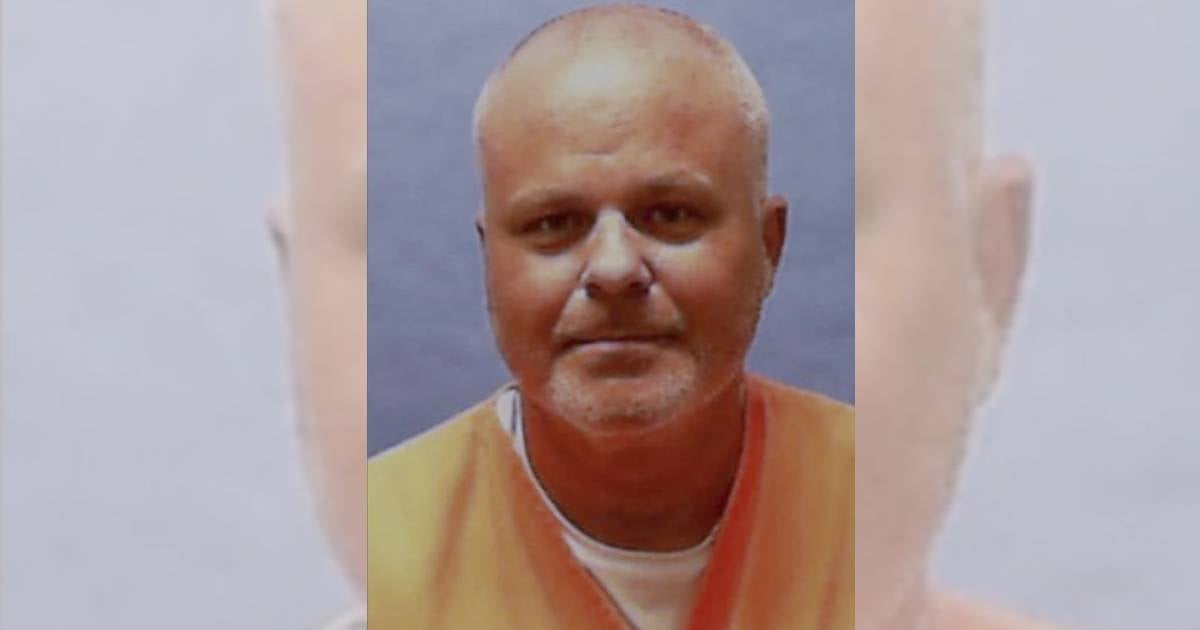
Anthony Floyd Wainwright, 54 years old, will spend his last hours on death row this Tuesday, June 10. The lethal injection execution is scheduled for 6:00 p.m. at the Florida State Prison, according to the order signed by Governor Ron DeSantis on May 9. With his death, the state will reach six executions so far in 2025, matching the total for 2023 and far surpassing the single one recorded in 2024.
Wainwright was convicted of the kidnapping, rape, and murder of Carmen Gayheart, a 23-year-old young mother who was attacked in the parking lot of a Winn-Dixie supermarket in Lake City in 1994.
The crime was committed following the escape of Wainwright and his accomplice Richard Hamilton from a prison in North Carolina, which triggered an interstate criminal wave that culminated in the murder.
The death sentence was handed down by a unanimous jury on June 12, 1995, which also found him guilty of robbery, kidnapping, and sexual assault with a weapon. The presiding judge, E. Vernon Douglas, considered that the murder was "coldly calculated, without moral or legal justification" and that the victim suffered "unnecessary pain and torture" before being strangled and shot twice in the head.
Since then, Wainwright has filed multiple appeals at both the state and federal levels. The Florida Supreme Court and subsequently the Supreme Court of the United States rejected all motions, including his final appeal based on neurological damage caused by exposure to Agent Orange before birth, an argument presented by his defense as a mitigating factor for his moral culpability.
The defense argued that Wainwright was a victim of irreversible cognitive damage passed down from his father, a Vietnam War veteran exposed to the toxic Agent Orange. They claimed that, had the jury known this, they might have chosen a life sentence instead of the death penalty.
However, both the Hamilton County judge and the state Supreme Court dismissed the argument, considering that their cognitive deficiencies would not have changed the outcome of the ruling.
In the letter signed by Governor DeSantis, it is detailed that the execution could take place between June 10 and June 17, and it is confirmed that executive clemency was not granted, which definitively seals Wainwright's fate.
Florida tightens its grip as the country slows down
The Wainwright case occurs in the context of the reactivation of the death penalty in Florida, where DeSantis has pushed for stricter laws that facilitate capital sentences even without the jury's unanimity. This contrasts with the national trend, where more and more states are suspending or abolishing the death penalty.
The Florida Conference of Catholic Bishops requested DeSantis to commute the sentence to life in prison. “It is a harsh punishment, but more humane, that guarantees safety and allows for redemption,” they stated in a recent letter.
Beyond the seriousness of the crime, Wainwright's imminent execution brings back the ethical and judicial dilemma of applying the death penalty to individuals with cognitive disabilities, inherited traumas, and backgrounds of neglect.
For many Cubans in the U.S., especially in Florida, these types of cases evoke a blend of rejection of crime and concern over a system that seems to be becoming harsher towards death than towards rehabilitation.
Filed under: