
Related videos:
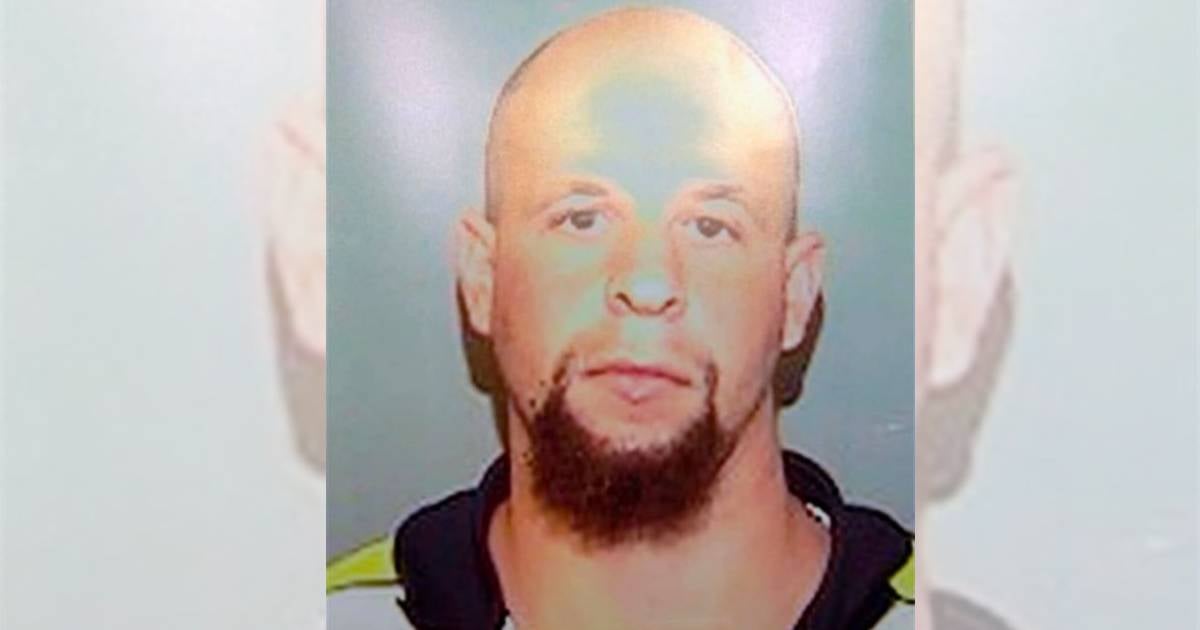
The authorities in the state of Florida have reopened a notorious family murder case, after former President Joe Biden commuted the death sentences of three of the convicted, including a U.S. citizen of Cuban and Puerto Rican descent, Daniel Troya.
The reopening of the case occurs amid an intense debate about the judicial system and the death penalty in the United States, reported NBC Miami.
A brutal crime linked to drug trafficking
The case, which occurred in 2006 and was judged in 2011, involved the murder of four family members, two adults and two children, executed by gunfire and abandoned inside a vehicle on a highway in southern Florida.
The investigation linked the crime to a settling of accounts due to drug trafficking activities. Daniel Troya was one of the three main accused, alongside Ricardo Sánchez Jr. and other implicated individuals, who received the death penalty for what was classified as one of the most violent family massacres in the state.
However, in December 2024, one month before leaving the presidency, President Joe Biden (2021-2025) commuted the sentences of 37 federal inmates sentenced to death, including Troya, changing their sentences to life imprisonment without the possibility of parole.
According to the White House, at that time, this measure reflected Biden's commitment to reforming the penal system and his rejection of the death penalty, except in extreme cases such as terrorism or hate crimes.
Troya, of Cuban descent on his father's side and Puerto Rican on his mother's side, was sentenced on federal charges, allowing his case to be subject to presidential jurisdiction.
The news of the commutation was met with relief by human rights activists, but also with indignation from the victims' families and local authorities, who called for a review of the entire judicial process.
Reopening of the case and review of evidence
Following the presidential decision, prosecutors in South Florida announced the reopening of the case with the aim of reexamining the evidence, assessing the integrity of the original judicial process, and, in the words of the authorities, "ensuring that justice has been served."
The measure also responds to the pressure from sectors that believe commuting sentences undermines the message against organized crime and violent offenses.
Federal and state authorities are now under scrutiny as they examine possible irregularities in the trial, including conflicting testimonies and the handling of forensic evidence. The process could lead to new hearings or the confirmation of commuted sentences.
Joe Biden, who left office on January 20, granted more commutations and pardons in the last months of his presidency than any other U.S. president in a similar phase of their administration.
Only in December 2024, granted pardons to over 1,500 individuals, including those convicted for marijuana and unjustly sanctioned LGBTQI+ veterans.
Frequently Asked Questions about the Reopening of Family Law Cases in Florida
Why was the family execution case reopened in Florida?
The case was reopened following the commutation of death sentences by former President Joe Biden for three of the convicted individuals, including Daniel Troya, an American citizen of Cuban and Puerto Rican descent. The review aims to ensure that justice has been served and to verify the integrity of the original judicial process.
Who is Daniel Troya and what role did he play in the crime?
Daniel Troya is one of the three primary convicts for the murder of four family members in Florida in 2006, a crime linked to drug trafficking. He was sentenced to death along with others involved, but his sentence was commuted to life imprisonment by Joe Biden in December 2024.
What motivated Joe Biden to commute death sentences?
Joe Biden commuted death sentences as part of his commitment to reforming the criminal justice system and his rejection of the death penalty, except in extreme cases such as terrorism or hate-motivated killings. This action aims to move towards a fairer and more equitable judicial system.
What has been the reaction to the reopening of the case and the commutation of sentences?
The reaction has been mixed; while human rights activists expressed relief, the families of the victims and local authorities have shown outrage, demanding a thorough review of the original judicial process.
Filed under: