
Related videos:
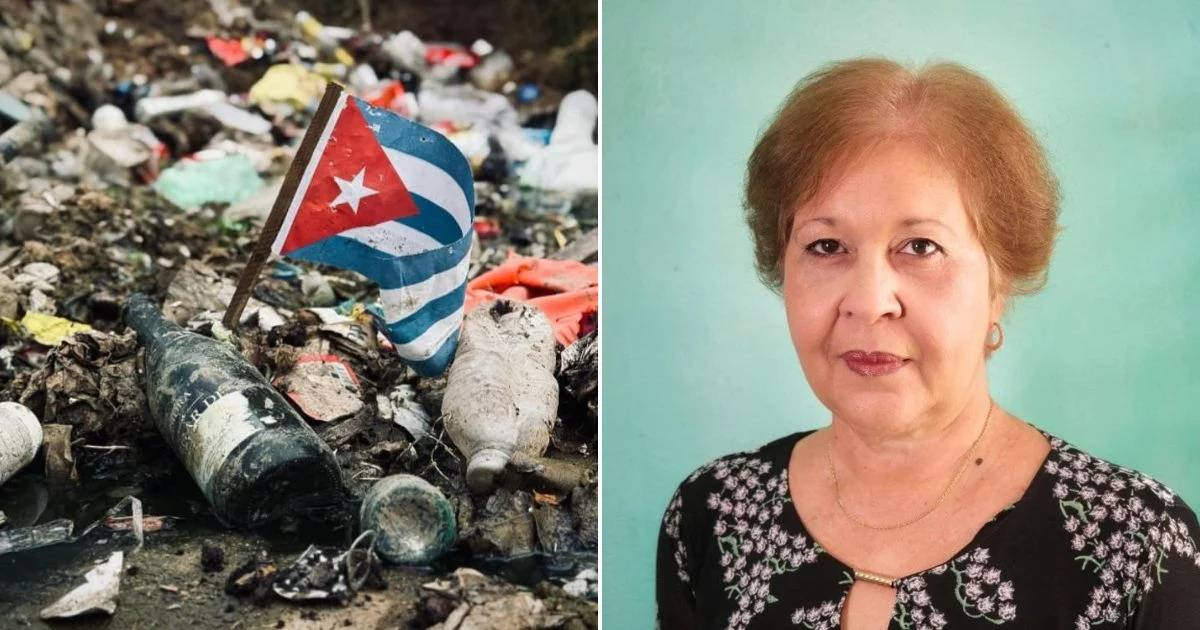
The intellectual and activist Alina Bárbara López Hernández has once again raised her voice strongly against the growing social unrest in Cuba, especially following the implementation of the unpopular rate hike by ETECSA.
In a public reflection shared on Facebook, the Matanzas-based essayist emphasizes that the government, rather than suppressing the protests, has succeeded in “shifting dissent from the virtual space to the real world.”
Regarding the university student strike, López acknowledges that the strategy of the youth may not succeed in formal terms, due to factors such as pressures from the State Security, institutional complicity among certain officials and professors, the co-optation of students, family fears, and the organizational difficulties resulting from the end of the school year.
However, he insists that the protest is a fact: “What the students said we witnessed,” he affirms, adding that the breakdown of control within the universities is already undeniable.
From digital to in-person
López also questions the approach of President Miguel Díaz-Canel, who for months insisted that the main front of the government's battle was the digital space. For the intellectual, that bet “was turned into water and salt by the rate hike,” which has brutally increased the cost of internet access and has sparked a physical social reaction.
"What ETECSA manages to collect with its exorbitant rates will have to be spent by Counterintelligence on paper for summons, motorcycles, gasoline, and agents' salaries. It will be a true paradox," he ironicizes.
A tribute to youthful civic engagement
The activist concludes her message with a gesture of complete support for the mobilized youth: “The students know they have my full support for their civic courage and bravery.” She announces that she will participate in the peaceful demonstration on June 18, which she describes as a “tribute to them, the protagonists of this time.”
There is no turning back on the issue of price hikes
The journalist Mario J. Pentón stated this Monday that a high-level internal source at ETECSA confirmed to him that the company has no plans to reverse the recent price hike imposed on its main telecommunications services, including international recharges in dollars.
Pentón explained that the decision, according to the cited source, "was made at the national level," which means that it is not just a simple commercial strategy, but a policy supported by the highest levels of the Cuban regime, despite citizen rejection and recent protests in the university sector.
As a possible "compensation" measure, ETECSA is preparing to relax the Nauta Hogar service, which provides fixed internet connectivity in homes.
However, this alternative serves as a consolation prize with no real impact, as most Cuban households experience frequent power outages, lack the necessary technical conditions, or do not have the required equipment to take advantage of the service.
"It is just another patch for a reality that is falling apart," Pentón summarized in his post, referring to the lack of sensitivity between the decisions of the state enterprise and the real needs of the Cuban people.
Frequently asked questions about the ETECSA crisis and the protests in Cuba
Why have student protests intensified in Cuba?
Student protests in Cuba have intensified due to the "tarifazo" imposed by ETECSA, which has drastically increased the cost of internet access, limiting top-ups in national currency and promoting packages in dollars. Students view these measures as an additional punishment in a context of economic crisis, where the average salary barely covers basic expenses, exacerbating digital exclusion and access to education.
What has been the Cuban government's response to the discontent over ETECSA's rate hike?
The Cuban government, through President Miguel Díaz-Canel, has defended ETECSA's rate hikes by claiming that they are necessary to maintain the country's technological infrastructure. The government does not plan to reverse the measures, despite protests and criticism, and has offered vague promises of future solutions for vulnerable sectors, without concrete details. The official response has been described as delayed and evasive, which has intensified social unrest.
What alternatives has ETECSA proposed to mitigate the impact of the rate increase?
ETECSA has mentioned the possibility of easing the Nauta Hogar service as a measure of "compensation." However, this alternative is seen as insufficient and impractical, given that most Cuban households face issues such as blackouts, lack of adequate equipment, and technical difficulties that prevent them from fully benefiting from fixed internet service.
What has been the reaction of the University Student Federation (FEU) to the measures taken by ETECSA?
The reaction from the FEU has been ambivalent. The national president of the FEU, Ricardo Rodríguez González, has supported the regime's explanations, which has generated criticism and calls for resignation from students, who believe he does not represent their interests. The FEU has been accused of aligning with the official discourse rather than defending the legitimate demands of the student body.
Filed under: