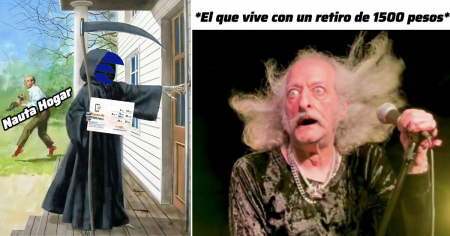
Cuban social media has once again turned the ruling Miguel Díaz-Canel into the star of a viral meme, following his public statement in support of the ETECSA rate hike.
The brief video is authored by Los Memes de Luis and has garnered over 10,000 likes on Facebook. It mixes statements from Díaz-Canel in his official podcast Desde la Presidencia with well-known phrases from his admirers in Río Cauto.
"And let us not forget the slogans of hatred that have spread in these messages of media poisoning: zero remittances, zero trips, zero recharges; in other words, this was a system that was at the heart of that media poisoning. And this is not the delusion of a madman. It is a planned suffocation strategy," he said in that broadcast.
The leader assured that the telecommunications system is facing “a complex situation from a technological standpoint” and threatened with an internet blackout because the country is “very close to collapse.”
Cubans, both on the island and abroad, have turned humor into a tool for political critique and social relief.
In recent years, Díaz-Canel and his supporters have frequently been the target of digital mockery, especially following phrases like "I get prickly" or the classic "we have problems, but we can solve them", all while the country crumbles at an alarming pace.
Frequently Asked Questions about Díaz-Canel's Statements and ETECSA's Rate Hike
Why does Díaz-Canel support ETECSA's rate hike?
Díaz-Canel justifies ETECSA's rate increase as a necessary measure to prevent a technological collapse and to eventually improve service quality. He states that the shortage of foreign currency affects the stability of the service and that these decisions are essential to continue progressing in the country's digital transformation.
How have Cubans reacted to ETECSA's price hike?
Cubans have reacted with strong criticism and mockery on social media, making Díaz-Canel and ETECSA the center of memes and satire. The population has expressed its outrage over the rising costs of services and the dollarization of top-ups, which they consider inaccessible for most Cubans.
What impact does the rate hike have on the Cuban population?
The rate hike has severely limited access for Cubans to telecommunications services, as now many offers are only available in dollars, which are inaccessible for those who do not receive remittances. This has deepened the digital divide and left the most vulnerable sectors without adequate connectivity.
What measures has the government proposed for those affected by the rate hike?
The government has promised to consider the most vulnerable sectors, such as students, although it has not specified what those alternatives will consist of or when they will be implemented. The lack of concrete measures has been criticized by the public, who feel that the official discourse does not translate into real actions.
Filed under: