Governor Ron DeSantis enacted new comprehensive legislation that significantly modifies the security and funding regulations for condominiums, in response to the challenges that arose following the collapse of the Champlain Towers South building in Surfside in 2021, which resulted in 98 fatalities.
The measure seeks to balance structural safety with financial relief for thousands of residents, especially the elderly or those on fixed incomes, who have been burdened by the high maintenance costs resulting from previous laws.
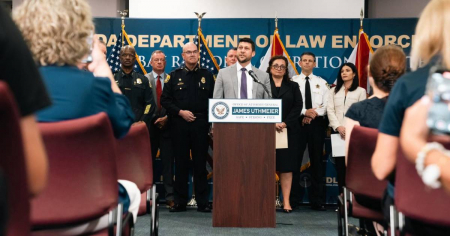
During a press conference held in Clearwater, DeSantis signed bill HB 913, which was unanimously approved by both legislative chambers.
"We have heard the concerns of condominium owners across Florida and we are implementing reforms that will provide financial relief and flexibility, strengthen the oversight of condominium associations, and empower unit owners," he said.
The new regulation comes into effect on July 1, 2025, and its main focus is the modification of structural inspection requirements and the easing of financial mechanisms that condominium associations must use to ensure the safety of buildings.
One of the most significant changes is the extension of the original deadline by one year for completing the structural integrity studies required for old buildings, which were initially to be finished by December 31.
The measure responds to the difficulties that numerous associations have faced in complying with the schedule set by the law approved in 2022, which some lawmakers viewed as an overly stringent reaction to the Surfside disaster.
In addition, the new law allows for a temporary pause of up to two years on the obligation to fund reserve funds following a structural inspection, giving associations more leeway to prioritize immediate repairs.
"Today in Clearwater, I signed a law that provides much-needed relief to condominium owners across Florida. These reforms will make safety measures in condominiums more affordable, increase transparency and accountability of condominium associations, and ensure that residents are not displaced from their homes due to regulations," the governor added.
Another key provision allows these organizations to use lines of credit or loans instead of maintaining traditional reserve funds, an alternative designed to reduce the financial burden on property owners.
Additionally, DeSantis also signed the HB 393 bill, which introduces changes to the My Safe Florida Pilot Condominium Program.
The state program assists associations in strengthening the structural resilience of buildings against hurricanes. With the new legislation, the required percentage of property owners needed to approve the grant application has been reduced from 100% to 75%.
It is also specified that the associations must contribute one dollar for every two they receive in state funding, clarifying the program's financing structure.
At the same time, Law HB 683 was also enacted, focusing on broader reforms in the residential construction sector.
This regulation establishes new standards for residential projects, streamlines the issuance of construction permits, and regulates aspects such as the use of synthetic grass, virtual inspections, and the bidding processes for public contracts.
Automatic responses are also included if local authorities do not process requests within established timeframes (for example, 20 business days for general permits, five for single-family homes), and they prevent contracts from altering the response obligations of public entities, thereby promoting transparency and efficiency in governmental management.
Overall, the reforms aim to modernize the regulations regarding condominiums and construction in Florida, ensuring greater safety without sacrificing the economic viability of property owners.
"It is time to make the change," expressed state Republican Senator Ed Hooper, feeling pleased. "Seniors are losing their condos because they couldn't afford the increase in their monthly fees (for repairs). That is wrong."
The new legislation is also an institutional response to the cumulative impact of recent hurricanes, chronic structural issues, and the urgency of preventing tragedies like that of Surfside.
Although DeSantis expressed confidence that the measures will bring relief, he left open the possibility of making additional adjustments in future legislative sessions.
Frequently Asked Questions about the New Condominium Law in Florida
What changes does the new condominium law introduce in Florida?
The new condominium law in Florida introduces significant changes to structural inspections and the financial flexibility of condominium associations. Among the most notable measures is the extension of the deadline to complete structural integrity studies and the possibility of temporarily pausing reserve fund financing following an inspection. Additionally, associations can use lines of credit or loans instead of traditional reserve funds.
How does the new law affect condominium owners in Florida?
The new law provides financial relief to condominium owners in Florida, especially those with fixed or higher incomes. By allowing greater flexibility in financing and extending deadlines for inspections, owners can face lower monthly maintenance fees, preventing them from being forced to sell or abandon their homes due to high costs.
When does the new condominium law in Florida come into effect?
The new condominium law in Florida takes effect on July 1, 2025. This date marks the official start of changes to safety and financing regulations for condominium associations in the state.
What measures have been taken to improve structural safety in the condominiums?
To enhance structural safety in condominiums, the new law allows associations to prioritize immediate repairs following a structural inspection. This is achieved through a temporary pause on the obligation to fund reserve accounts, providing associations with the flexibility to address critical issues without the pressure of adhering to strict financial timelines.
Filed under: