
Related videos:
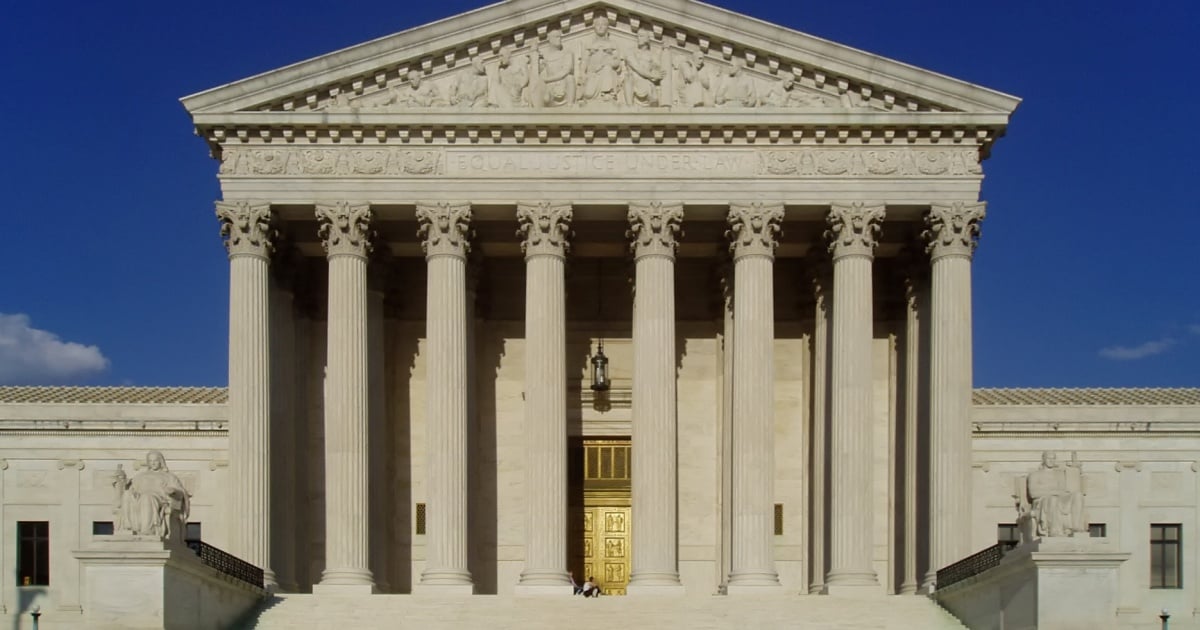
The Supreme Court of the United States authorized the deportation of several immigrants this Thursday, including two Cubans, to South Sudan, a war-torn country where none of the expelled individuals have family or historical ties.
The decision comes in the context of a tightening of immigration policy under the current administration of President Donald Trump, reported AP.
The conservative-majority court overturned a previous order by Federal Judge Brian Murphy, who had allowed migrants to challenge their transfer to third countries if they risked suffering torture or imprisonment.
That measure had temporarily halted a deportation flight in May, which was diverted to a naval base in Djibouti, where the eight migrants— all with criminal records—have been detained since then in precarious conditions, inside a modified container, emphasized AP.
The court's order lifts that suspension and allows the flight to proceed to South Sudan, despite warnings that migrants could face "immediate detention, torture, or even death" upon arrival in the African country, as alerted by Trina Realmuto, executive director of the National Immigration Litigation Alliance.
The Deputy Secretary of National Security, Tricia McLaughlin, hailed the intervention of the highest court as “a victory for the rule of law, security, and the protection of the American people,” emphasized AP.
In line with that stance, Attorney General Pam Bondi accused Judge Murphy of acting like a "rebel" and stated that the Supreme Court had "rebuked" him.
Among those deported are at least two Cuban citizens identified as Enrique Arias-Hierro and José Manuel Rodríguez-Quiñones, who, like the others, were convicted of serious crimes in the United States and have final deportation orders issued by ICE.
The decision to send them to a country in conflict without personal connections has been heavily criticized by human rights organizations and legal experts.
Liberal justices Sonia Sotomayor and Ketanji Brown Jackson voted against and criticized the preferential treatment given to the government by the court.
“Other litigants must follow the rules, but the government has the Supreme Court on speed dial,” wrote Sotomayor. Judge Elena Kagan also expressed concern about ignoring Judge Murphy's analysis regarding the flight to South Sudan.
The background of the decision reflects the increasing pressure from the Trump administration to mass-deport undocumented individuals, even if this involves agreements with unsafe transit or receiving countries.
The legal precedent set by this ruling could also make it more difficult for other migrants to challenge similar transfers, even in contexts of violence or persecution.
Accelerated deportations, dubious guarantees, and risk of torture
According to CNN, the situation in South Sudan has been classified as critical by the UN due to food insecurity, political instability, and escalating violence.
Despite this, the Donald Trump administration has sought to expedite deportations to third countries as an alternative mechanism when migrants cannot be repatriated to their country of origin.
These practices conflict with the United Nations Convention Against Torture, ratified by the U.S. in 1994, which prohibits the expulsion of individuals to countries where there is a real risk of torture. However, according to the report, the government believes that if it receives "diplomatic guarantees" from the receiving country, it can proceed without the need to notify the affected migrant.
In this case, there is no record that such guarantees were issued, which, according to the policy of the Department of Homeland Security, would require informing migrants about their expulsion so that they can apply for protection on the grounds of fear of torture. That procedure, according to the lawyers, was not followed.
CNN also reported that the eight men —including the Cubans— remain detained in extreme conditions inside an adapted metal container at a military base in Djibouti, and they could be transported to South Sudan at any moment, under a process questioned by legal experts and humanitarian organizations.
This new decision is based on the fact that last June, the Supreme Court of the United States authorized the president to resume the deportation of migrants to countries other than their places of origin, by overturning a previous court order that required the Government to give those affected a meaningful opportunity to explain the risks they would face in those destinations.
With a 6-3 vote, the conservative majority of the Court overturned the ruling by Judge Brian Murphy from Boston, who in April had blocked those deportations on the grounds that they could involve torture or death for migrants if sent to third countries.
The case involved eight migrants from Myanmar, South Sudan, Cuba, Mexico, Laos, and Vietnam, who were deported last month on a flight to South Sudan.
A month earlier, Trump requested that the Supreme Court of the United States authorize his administration to deport migrants to countries that are not their country of origin, such as South Sudan, which sparked a wave of criticism from human rights defenders and immigration organizations.
Frequently Asked Questions About the Deportation of Immigrants to South Sudan
Why did the U.S. Supreme Court allow the deportation of immigrants to South Sudan?
The United States Supreme Court allowed deportation by reversing a previous order that permitted migrants to challenge their transfer to countries where they could face torture or imprisonment. This decision reflects a tightening of immigration policy under the administration of Donald Trump.
What are the main criticisms of deportation to South Sudan?
Criticism of the deportation includes the lack of ties of the deported individuals to South Sudan and the risk of facing "immediate detention, torture, or even death." Human rights organizations and legal experts have condemned the measure as a violation of due process and human rights.
What background do the Cubans deported to South Sudan have?
The deported Cubans have serious criminal records, including offenses such as homicide, kidnapping, and drug trafficking. This has been used by the Trump administration to justify their deportation, although the decision has been highly controversial due to the unsafe destination to which they were sent.
How will this ruling affect future deportations of immigrants?
This ruling could set a legal precedent that will complicate matters for other migrants challenging similar transfers, even in contexts of violence or persecution. The Trump administration seeks to accelerate mass deportations without the need for agreements with the countries of origin.
Filed under: