
Related videos:
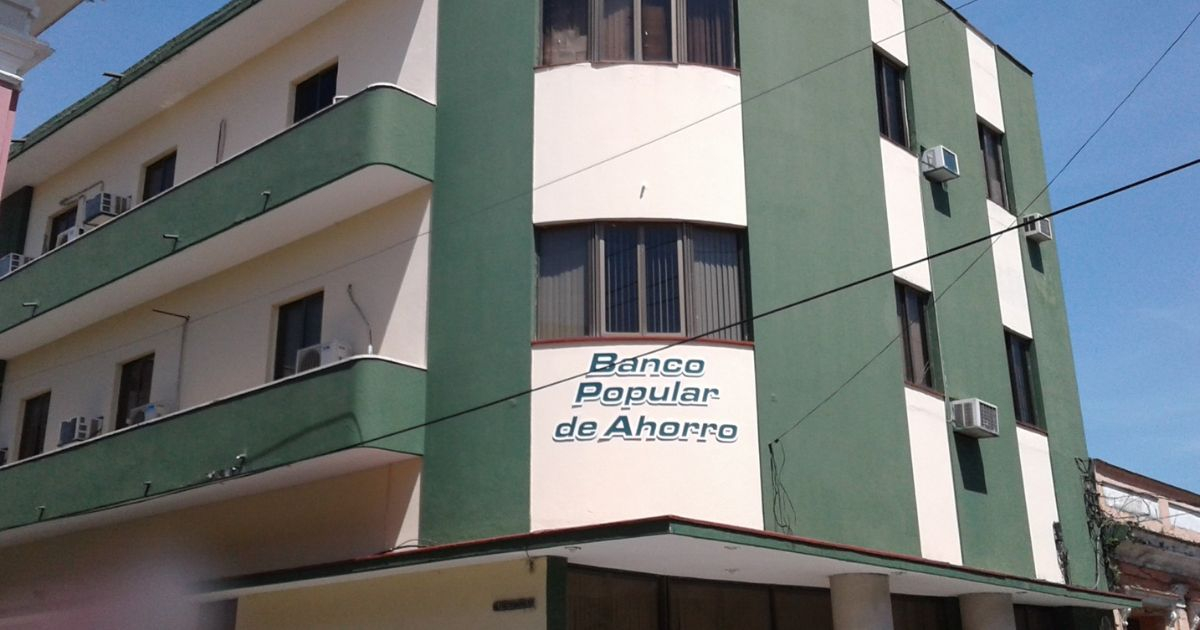
The Cuban government announced on Wednesday a new reduction in public services in the province of Villa Clara, where the branches of the Banco Popular de Ahorro (BPA) and Banco de Crédito y Comercio (BANDEC) will operate on reduced hours starting Thursday, July 10, as part of the national package of measures imposed to address the worsening energy crisis.
According to the official media outlet CMHW on its Facebook page, the authorities of the Communist Party and the provincial government have decided that banks will only provide services from Monday to Friday between 8:00 a.m. and 2:00 p.m., and on Saturdays from 8:00 a.m. to 11:00 a.m., in an effort to reduce electricity consumption in the state sector.
This decision adds to the severe restrictions imposed in recent weeks by the regime, amidst a critical situation in the national electric system, marked by outages of up to 10 hours daily, lack of maintenance in generating plants, and the absence of real investments to reverse the energy collapse.
The reduction of banking hours in Villa Clara is not an isolated event. It is part of the plan announced by the Minister of Energy and Mines, Vicente de la O Levy, during the X Plenary of the Central Committee of the Communist Party, where a series of actions were detailed to "save electricity" during the summer, including: reduction of work hours, halting of state offices, cuts to the private sector, and restrictions on electrical usage during certain hours for gastronomic and production centers.
In Villa Clara, in addition to the new banking hours, measures were implemented such as a 30% reduction in energy consumption plans for state entities, and the mandatory use of breakers to completely suspend electricity in buildings and institutions on Fridays.
These measures, far from alleviating the situation for citizens, have intensified public frustration, which already coexists with transportation restrictions, fuel shortages, irregular services, and a sweltering summer without stable access to electricity, not even for basic needs like preserving food or turning on a fan.
Despite the repeated announcements that the restrictions are "transitory", the government has not presented structural solutions or electricity generation projects that could stabilize the system in the short or medium term. In this context, each new adjustment —such as the reduction of banking hours— is perceived by the population as yet another twist in an inescapable crisis.
Frequently Asked Questions about the Energy Crisis in Villa Clara and Cuba
Why has banking hours been reduced in Villa Clara?
The banking hours in Villa Clara have been reduced as part of a series of measures by the Cuban government to address the energy crisis. This reduction aims to decrease electricity consumption in the state sector, amid a context where blackouts are frequent and prolonged. The branches of the Banco Popular de Ahorro and the Banco de Crédito y Comercio now operate from Monday to Friday from 8:00 a.m. to 2:00 p.m., and on Saturdays from 8:00 a.m. to 11:00 a.m.
What other measures have been implemented in Villa Clara due to the energy crisis?
In Villa Clara, in addition to the reduction in banking hours, measures have been implemented such as a 30% reduction in the energy consumption plans of state entities and the use of breakers to completely cut electricity in buildings and institutions on Fridays. These measures aim to alleviate the energy crisis that is severely impacting the province.
How does the energy crisis affect daily life in Cuba?
The energy crisis in Cuba has a significant impact on the daily lives of citizens. Prolonged blackouts, which can last up to 19 hours in some areas, make it difficult to preserve food, operate basic appliances, and access essential services. Furthermore, the electrical restrictions have led to the shutdown of state offices, reduction of work hours, and cuts in the private sector.
What solutions has the Cuban government proposed for the energy crisis?
Despite promises of temporary solutions, the Cuban government has not presented concrete structural proposals to address the long-term energy crisis. Initiatives such as the construction of solar parks and maintenance of thermoelectric plants have been announced, but these measures are insufficient to resolve the current energy deficit. The lack of fuel and the deterioration of infrastructure are significant barriers to any immediate improvement.
Filed under: