
Related videos:
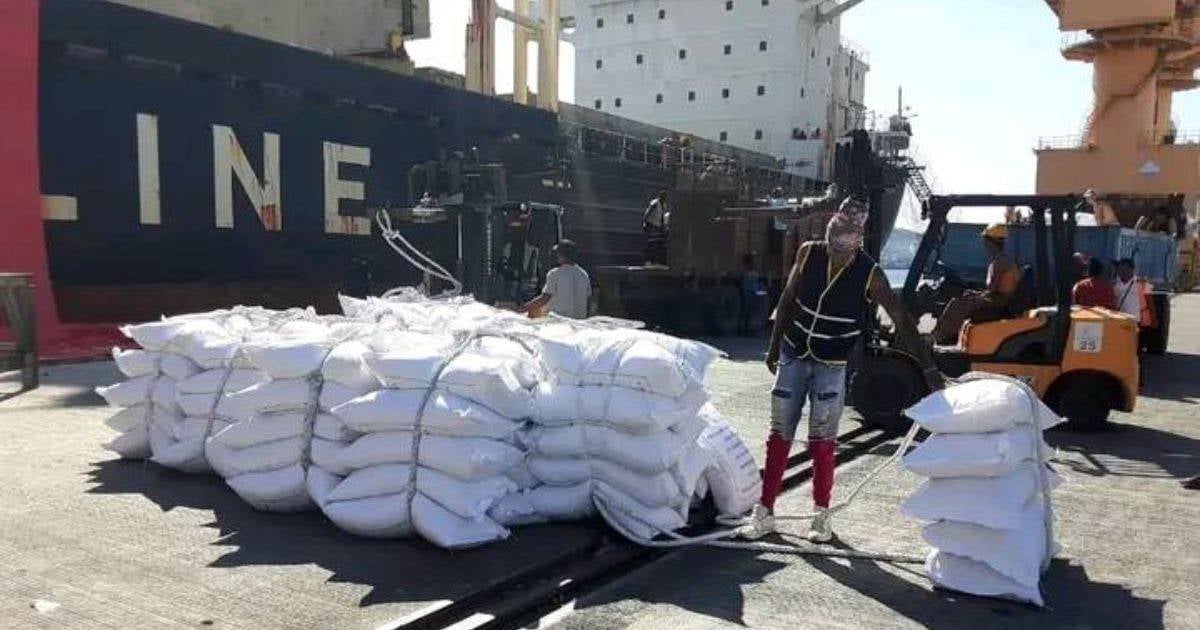
A total of 4,968 small rice producers from the Tolima department in Colombia will start exporting their production to the Cuban market, in a deal estimated at 5.984 billion pesos (around one and a half million dollars) over the course of a year.
According to the statement published on the website of the South American government, this operation consolidates a direct trade model, without intermediaries, which is part of the national strategy for local public procurement promoted by the Government of Gustavo Petro.
The sale includes 1,644 tons of white rice, of which 1,404 will be allocated to Cuba and another 240 to social programs in Colombia. The agreement is the result of a partnership between the CoagroDistritos Corporation —which encompasses five irrigation districts in Tolima— and the Rural Development Agency (ADR), with logistical support from the Baluarte Gran Sabana Federation.
Cooperation in the face of scarcity
The agreement, which was proposed back in 2019, is announced at a critical moment for Cuba, where the food crisis has led to an alarming shortage of rice, one of the staple products in the national diet.
In May, according to figures from the National Office of Statistics and Information (ONEI), the price of rice reached 340.90 Cuban pesos in Havana, the highest price recorded in the country that month. In cities like Guantánamo, Holguín, and Santa Clara, it also exceeded 300 pesos, while the lowest reported price was in Bayamo (155 pesos).
Despite the regime's promises, the distribution of rice through the ration book has been inadequate and fragmented.
A government official from Artemisa recently requested "trust" from the population and assured that the 14 pounds allocated for January and February "are guaranteed," although their distribution is being carried out gradually and in portions due to logistical difficulties.
A development model with social impact
In addition to opening a new market, the agreement aims to invigorate rural economies in Colombia and strengthen food sovereignty through weekly supplies to state institutions. At the same time, it serves as a lifeline for Cuba, where severe food shortages and high prices in the informal market continue to affect millions of families.
Frequently Asked Questions about the Sale of Rice from Colombia to Cuba and the Food Crisis on the Island
What is the objective of the rice export agreement between Colombia and Cuba?
The agreement aims to alleviate the food crisis in Cuba, where there is an alarming shortage of rice, while also boosting rural economies in Colombia through a direct trade model without intermediaries.
Why does Cuba depend so much on rice imports?
The production of rice in Cuba has drastically decreased due to a lack of supplies and fuel, reaching only 30% of what was harvested in 2018 by 2024. This has forced the Cuban government to import 100% of the rice intended for the basic food basket, generating a significant expenditure in foreign currency and a critical dependency on imports and international donations.
How does the rice shortage affect the Cuban population?
The shortage of rice has caused a significant increase in prices, exceeding 300 pesos per pound in the informal market. This directly affects the purchasing power of the population, forcing families to turn to the black market and generating social unrest due to the lack of availability of this staple food.
What measures is the Cuban government taking to address the rice crisis?
The Cuban government has sought to increase local production through cooperation projects with Vietnam and China, in addition to receiving international donations. However, local production remains insufficient and the delivery of rice is occurring in a fragmented manner and with delays, which has not managed to resolve the shortages or instability in supply.
What impact does international aid have on the food crisis in Cuba?
International donations, such as the 10,000 tons of rice sent by Vietnam, provide temporary relief to the food crisis in Cuba. However, the reliance on this aid reflects the deep inefficiency of the regime in ensuring a stable supply of food, leaving the population in a state of ongoing uncertainty.
Filed under: