
Related videos:
The lobster fishing season in the Florida Keys is a much-anticipated tradition for residents and visitors alike, but it is also a highly regulated activity.
Last weekend, authorities from Monroe County conducted several arrests for serious violations of lobster trapping regulations, just days before the anticipated mini season taking place on July 30th and 31st.
Arrests in the Keys for illegal fishing
The Monroe County Sheriff's Office reported at least two significant arrests.
On Saturday, July 26, the marine deputy Luis Guiardinu spotted Juan Carlos García-Martínez, 36 years old and a resident of Miami, diving without the required flag near mile marker 60.5.
Upon inspection, it was discovered that García-Martínez possessed:
-Nine out-of-season lobsters.
-Eight lobsters below the legal minimum size.
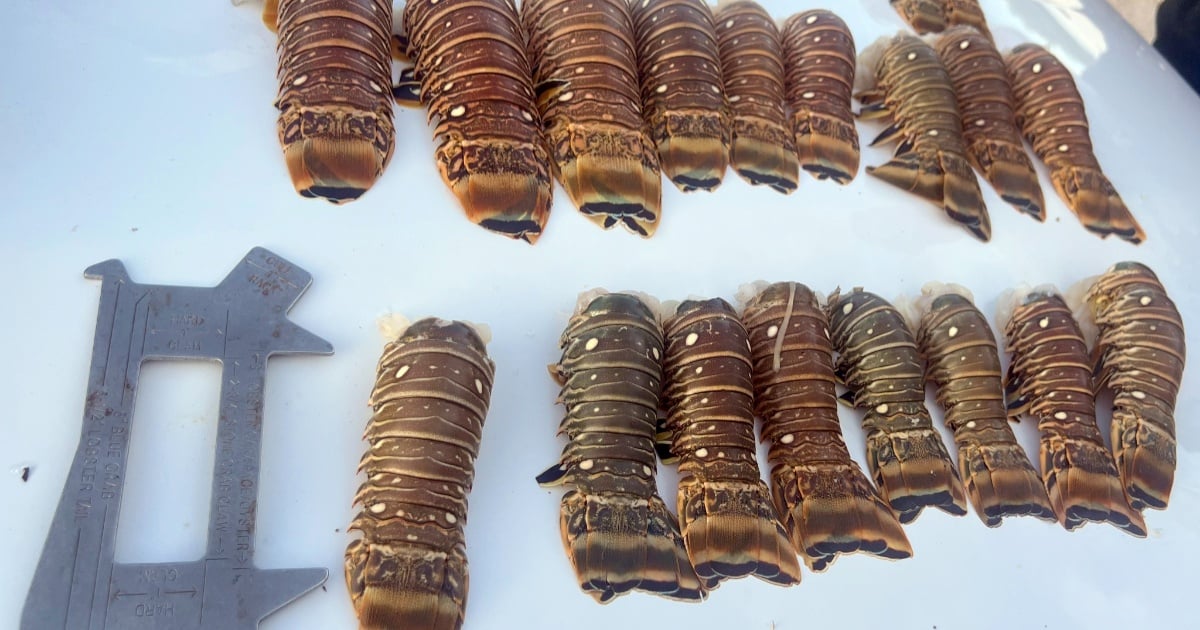
-Nine tails separate from the body in the water (forbidden).
A total of nine lobsters, exceeding the allowed limit.
-A snook (robalo) specimen caught with a harpoon and out of season.
Additionally, he did not have the legal permits to fish for lobster or snook, he did not have a saltwater fishing license, nor was he carrying the mandatory measuring device.
He was also accused of evidence tampering and cited for multiple administrative violations. He was arrested and taken to the county jail.
The next day, around 7:00 p.m., deputies from the sheriff's office were patrolling the Bow Channel Bridge in Cudjoe Key when they intercepted Ethan William Kline, a 21-year-old resident of Sebring.
Kline was found in possession of 19 twisted lobster tails, a technique that involves separating the tails from the body underwater, which is illegal in state waters.
He was arrested and charged with several offenses, including:
- Possession of lobster out of season.
Illegal separation of the lines in the water.
-Use of prohibited methods, such as harpoons.
Despite the mentioned infractions, not everything has been negative.
During traffic stops on the morning of this Wednesday, authorities intercepted several lobster fishermen who were complying with all legal requirements.
Legal context: How lobster fishing is regulated in Florida
The captures made by the authorities highlight the importance of knowing and respecting the current regulations, especially during the periods when lobster fishing is permitted.
The Florida Fish and Wildlife Conservation Commission (FWC) establishes two periods:
Mini Sports Season: two consecutive days, Wednesday and Thursday of the last week of July. In 2025, it will take place on July 30 and 31.
Regular season: from August 6, 2025, to March 31, 2026.
Size and Catch Regulations
Minimum legal size: The shell must measure more than 3 inches (7.62 cm), measured in the water with a certified gauge.
Daily catch limit in Monroe (Keys): 6 lobsters per person per day.
Limit of possession outside of water:
-30th of July: up to 6 lobsters.
July 31: up to 12 if they were legally captured on both days.
Allowed capture methods
Only passive methods may be used: hand capture, nets, or tickle stick. The use of harpoons, hooks or piercing tools, recreational traps, and separating tails in the water is prohibited.
It is also mandatory to use the diver down flag, and night diving is prohibited in Monroe County during the mini season.
Areas where lobster fishing is prohibited
Lobster fishing is strictly prohibited in several protected areas
John Pennekamp Coral Reef State Park.
- Everglades National Park and Dry Tortugas.
- Areas of no take in the Florida Keys National Marine Sanctuary.
-Sanctuary Biscayne Bay/Card Sound.
Areas close to residences, channels, and marinas in Monroe County during the early days of the season
The lobster season is a valuable opportunity for recreational fishermen, but it also requires a high level of responsibility.
Respecting dates, catch limits, legal methods, and protected areas is essential not only to avoid penalties but also to preserve the marine ecosystem that makes the Keys a unique destination.
Frequently Asked Questions about Illegal Lobster Fishing in the Florida Keys
What were the offenses committed by Juan Carlos García-Martínez in lobster fishing?
Juan Carlos García-Martínez was arrested for multiple offenses, including catching lobsters out of season, possessing undersized lobsters, illegally separating tails in the water, exceeding the allowed catch limit, and lacking the necessary legal permits. He was also charged with tampering with evidence.
What penalties does Ethan William Kline face for illegal fishing?
Ethan William Kline was arrested for possessing out-of-season lobsters, illegally separating tails in the water, and using prohibited methods such as harpoons. These offenses can lead to legal penalties and significant fines.
What are the regulations for legal lobster fishing in Florida?
The legal harvest of lobster in Florida is regulated by the Florida Fish and Wildlife Conservation Commission (FWC). Two fishing periods are established: the mini recreational season, which lasts for two days at the end of July, and the regular season, which runs from August 6 to March 31. The rules include a minimum shell size of over 3 inches and a daily catch limit of 6 lobsters per person. Only passive capture methods are allowed, and the use of a dive flag is mandatory.
Why is it important to respect lobster fishing regulations?
Respecting lobster fishing regulations is crucial for preserving the marine ecosystem and ensuring the species' sustainability. Furthermore, adhering to the regulations prevents legal penalties and helps maintain balance in the marine environment of the Florida Keys, a highly valued tourist destination.
Filed under: