
Related videos:
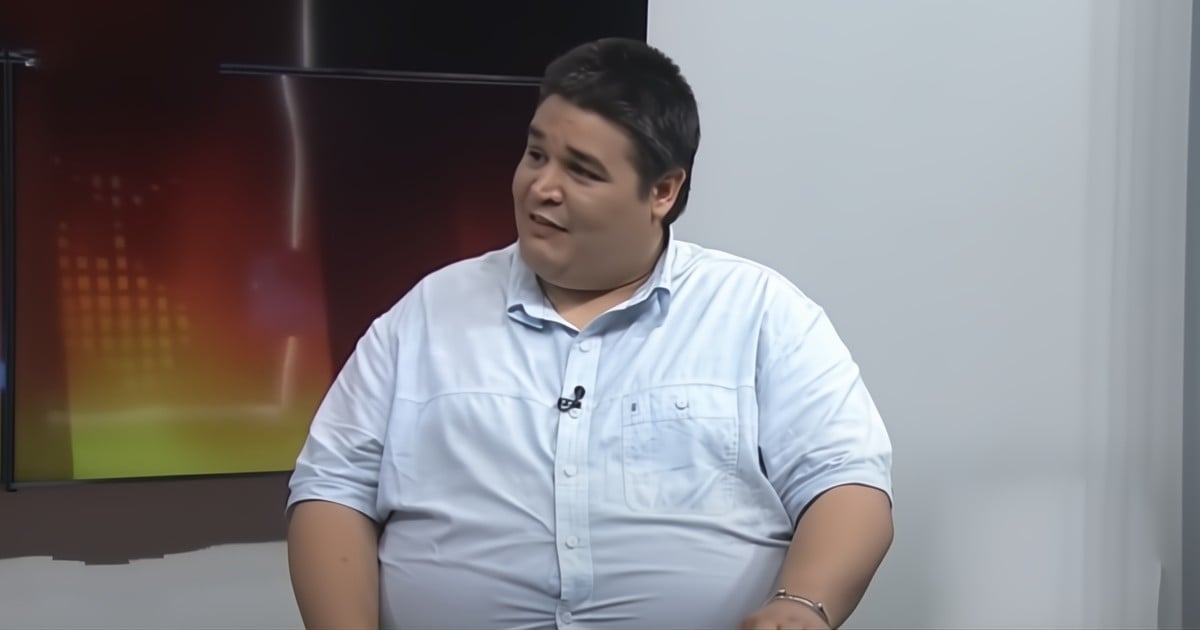
The Cuban Rafael Pérez Insua, former director of the state channel Cubavisión, currently lives in the United States after entering through the border, using the CBP One app in 2024.
Pérez was a key figure in the propaganda apparatus of the Cuban regime. From his positions at Cubavisión, Cubavisión Internacional, and Canal Habana, he publicly defended censorship, endorsed repression, and aligned himself with the interests of the Communist Party of Cuba (PCC).
Currently, his life has taken a radical turn. This former Cuban official resides in Miami, benefits from food stamps, and awaits the legal period of one year and one day to take advantage of the Cuban Adjustment Act.
Her departure from Cuba took place in October 2023, during the Joe Biden Administration, amid the massive exodus of Cubans towards Mexico with the intention of crossing the border into the United States.
Sources from the Cuban Institute of Radio and Television (ICRT), now known as the Institute of Information and Social Communication, confirmed to Martí Noticias that the executive had been without duties since the end of 2023, in what is referred to as the "pajama plan."
Pérez's presence in the United States has caused outrage among Cubans in exile, especially due to the role he played in censoring content critical of the regime and his stance during the events of July 11th.
One of the most remembered cases from his time as a regime executive was the expulsion of comedian Andy Vázquez from the show Vivir del Cuento, following a parody about the Cuatro Caminos market. “He used the character based on a personal criterion,” Insua argued at the time to justify the sanction.
Pérez initially settled in Texas, then moved to South Florida, where he has chosen silence and avoids any public exposure.
The Cuban journalist Mario J. Pentón confirmed that Pérez Insua is in Miami and attempted to contact him by phone to hear his side of the story, but upon recognizing his voice, the former executive hung up immediately.
"He entered like any other migrant. Today he avoids cameras, does not give interviews, and seeks to go unnoticed. This is in stark contrast to his role in Cuba, where he justified repression on a daily basis," stated Pentón.
On social media, other users confirm the presence of the former official in U.S. territory. The profile of Facebook La Tijera asserts that Pérez and his wife still live in San Antonio, Texas, and that both work at a digital channel and a radio station.
Pérez Insua is not the only member of the official media system who has emigrated. In January 2024, CiberCuba reported on the arrival in the United States of Lianet Uley Suárez, former information director of Cuban radio and secretary of the PCC at the ICRT, who also would have remained in Mexico.
These and other similar cases reflect a growing trend of officials within the regime's ideological apparatus who, after years of complicity with censorship and indoctrination, choose to leave quietly and rebuild their lives in the United States.
Frequently Asked Questions About the Migration of Former Cuban Officials to the United States
How did Rafael Pérez Insua enter the United States?
Rafael Pérez Insua entered the United States at the border using the CBP One application, a tool that facilitated legal appointments for migrants during the Joe Biden administration.
Why does Pérez Insua's presence in Florida generate outrage?
Pérez Insua's presence in Florida sparks outrage among exiled Cubans due to his past as a key figure in the Cuban regime's propaganda apparatus, where he defended censorship and repression.
What changes have occurred in the use of CBP One under the Trump administration?
Under Donald Trump's administration, the use of CBP One has been restricted solely for self-deportation processes or transfers between detention centers, limiting its original function of managing legal appointments at the border.
What options do Cuban migrants affected by the end of humanitarian parole have?
Cuban migrants must seek urgent legal advice to explore alternative pathways such as political asylum or to take advantage of the Cuban Adjustment Act, despite the fact that residency processes are currently on hold following the elimination of humanitarian parole.
Filed under: