
Related videos:
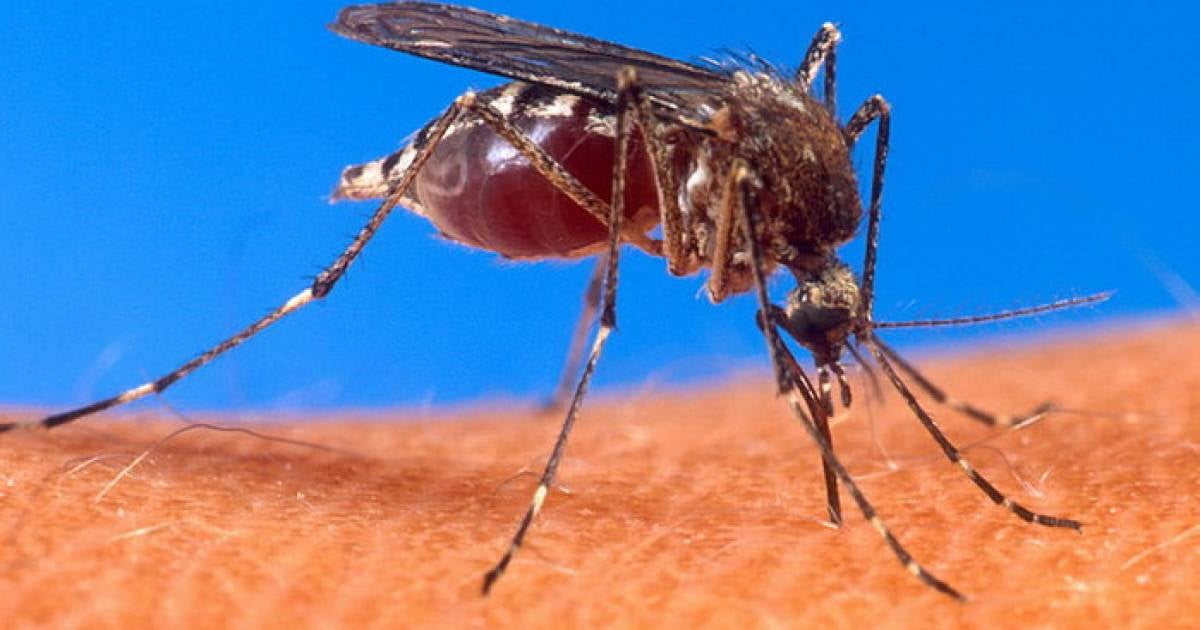
Spain has confirmed its first indigenous case of chikungunya, a viral disease transmitted by the tiger mosquito (Aedes albopictus), in the border town of Hendaya, in the Basque Country, the Department of Health of the Basque Government reported this Friday.
The case, confirmed alongside two possible additional infections, has triggered an immediate reinforcement of monitoring and control measures in the municipalities near the French border, such as Irún, Hondarribia, San Sebastián, Lezo, Pasajes, Oyarzun, and Rentería, stated the newspaper ABC.
The regular movement between both regions and the celebration of summer events increases the risk of spread, it notes.
Basque authorities have implemented a surveillance system for the tiger mosquito based on artificial intelligence. They have also issued recommendations to municipalities to intensify the elimination of mosquito breeding sites in gardens, patios, fountains, and other areas prone to standing water.
Additionally, healthcare personnel have been instructed to enhance clinical vigilance and to be alert for symptoms compatible with chikungunya, including high fever, intense joint pain, and skin rashes, especially in individuals with recent histories of mosquito bites, the report emphasizes.
The World Health Organization (WHO) has also issued a warning regarding the potential for a chikungunya epidemic, due to favorable weather conditions for the spread of the vector mosquito and the sustained increase in cases in various regions of the world, including parts of Europe.
Although Spanish authorities have requested to avoid alarmism, they acknowledge that the established presence of the tiger mosquito in large areas of the country, combined with climate change and the globalization of human movements, could lead to new local transmission hotspots.
The presence of the virus has also surged in America.
For example, in Cuba, cases of chikungunya have been reported for several years, according to local medical sources.
The circulation of the virus on the island has been confirmed in several provinces, and there are currently active outbreaks in provinces such as Matanzas.
However, the constant presence of the vector and the tropical climate make the country highly vulnerable.
Frequently Asked Questions about the chikungunya outbreak in Spain and Cuba
What is chikungunya and how is it transmitted?
Chikungunya is a viral disease transmitted by infected mosquitoes, primarily of the Aedes genus. These mosquitoes bite mainly during the day, at dawn and dusk. The disease is not transmitted from person to person, but it can be passed from mother to child during childbirth or, in rare cases, through exposure to infected blood.
What are the symptoms of chikungunya?
The symptoms of chikungunya appear between 3 and 7 days after being bitten by an infected mosquito. They include high fever, severe joint pain, muscle pain, skin rashes, headache, and general malaise. Joint pain may persist even after the fever has subsided, making this illness particularly debilitating.
How is the chikungunya outbreak being controlled in Spain?
The Basque authorities have implemented a monitoring system for the tiger mosquito supported by artificial intelligence, and are intensifying the elimination of mosquito breeding sites in gardens, patios, and other areas prone to stagnant water accumulation. Additionally, health personnel have been instructed to heighten clinical vigilance and be alert for symptoms compatible with chikungunya.
What is the situation of chikungunya in Cuba?
In Cuba, outbreaks of chikungunya have been reported in several provinces, with Matanzas being one of the most affected. The authorities have implemented vector control measures, fumigation, and environmental sanitation to curb the spread of the virus. However, the constant presence of the vector mosquito and the tropical climate make the country highly vulnerable.
What preventive measures are recommended to avoid chikungunya?
To prevent chikungunya, it is advisable to eliminate mosquito breeding sites, use bed nets on beds and windows, apply repellent on the skin, and wear light-colored clothing that covers arms and legs. It is also important to request fumigation in affected areas and see a doctor if symptoms such as fever and joint pain occur.
Filed under: