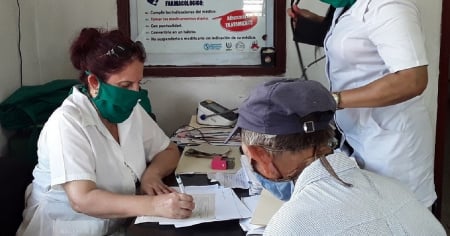
Five municipalities in the province of Pinar del Río are currently in a situation of high epidemiological risk due to the increase in suspected dengue cases, according to local health authorities.
According to the official local media Guerrillero, San Luis has been officially declared to be in active transmission of the virus, while the provincial capital, although not classified in that category, shows a high number of suspected cases in its four health areas, with the "Hermanos Cruz" polyclinic standing out as having the highest incidence in the entire province.
The municipalities of Guane, Sandino, Los Palacios, Pinar del Río, and San Luis itself are among the areas most affected by arboviral diseases, according to Dr. Andrés Villar Bahamonde, director of the Provincial Center for Hygiene, Epidemiology, and Microbiology.
In the other municipalities, isolated cases are reported, classified as low or medium risk.
The situation worsens due to the rise in other respiratory diseases caused by the circulation of several viruses.
"Today in the province, several viruses such as influenza, parainfluenza, and respiratory syncytial virus are circulating, which cause a flu-like illness lasting several days. Therefore, one must visit the healthcare services to receive treatment," stated Villar Bahamonde.
In light of this situation, health authorities have intensified efforts to control arboviruses.
These include the blocking of fever during the first 24 to 48 hours, spraying with adulticides in transmission areas, and the treatment of clean water deposits, especially in low tanks within homes, where 83% of the Aedes aegypti mosquito hotspots are concentrated.
Villar Bahamonde urged the population, amidst the crisis, to not discard the abate, a larvicide that remains effective even after several water changes.
He also urged citizens to heighten hygiene measures, such as using sodium hypochlorite to purify water, and to prevent food poisoning by adhering to strict preservation standards.
The current surge is set against a backdrop of high vector infestation and a persistent circulation of at least two dengue serotypes (3 and 4).
Although no critical cases have been reported so far, the combination of dengue, Oropouche, and respiratory diseases underscores the importance of maintaining preventive measures and epidemiological surveillance.
The rise in dengue cases occurs in a context worsened by the crisis in community services and the lack of fuel that prevents fumigation.
High temperatures, intense rainfall, and difficulties in the electricity supply are conditions that also promote the proliferation of the transmitting mosquito.
From the Ministry of Public Health and epidemiologist Francisco Durán García, it has been indicated that dengue fever remains active in three provinces—one of which is Pinar del Río— with transmission occurring in at least four municipalities and health areas, although no severe or critical cases have been reported so far.
Frequently Asked Questions about the dengue outbreak in Pinar del Río
Which municipalities are most affected by dengue in Pinar del Río?
The municipalities most affected by dengue in Pinar del Río are San Luis, Guane, Sandino, Los Palacios, and Pinar del Río. According to health authorities, these areas present a high epidemiological risk due to the number of suspected cases and the active transmission of the virus.
What measures are the authorities taking to control the dengue outbreak?
The authorities have intensified measures such as spraying with adulticides, treating clean water storage containers, and fasting blockades within the first 24 to 48 hours. The population is also urged not to discard the treatment and to enhance hygiene measures, such as using sodium hypochlorite to purify water.
What other epidemiological problems does Pinar del Río face besides dengue?
In addition to dengue, the province is facing an increase in respiratory diseases such as influenza, parainfluenza, and respiratory syncytial virus. These illnesses are contributing to a flu-like condition that has led to an increase in the demand for health services.
How does the crisis in public services affect the dengue situation in Cuba?
The crisis in public services, characterized by the accumulation of waste and the lack of fuel for fumigation, exacerbates the dengue situation. These conditions promote the proliferation of the Aedes aegypti mosquito, increasing the risk of dengue transmission in Pinar del Río.
Filed under: