
Related videos:
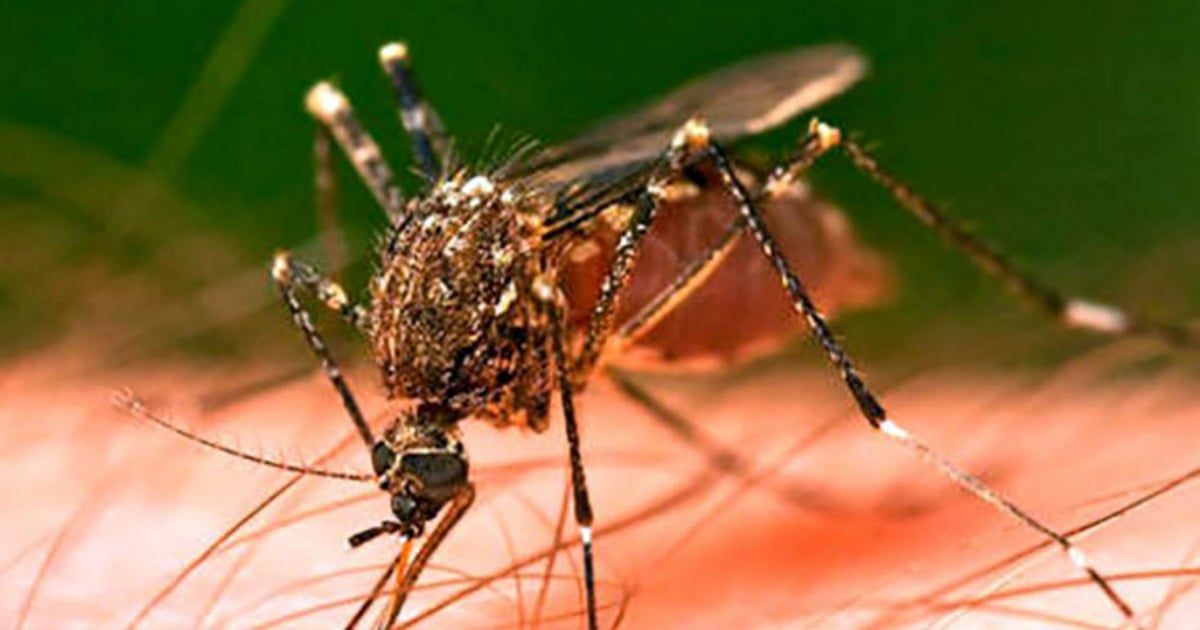
The province of Pinar del Río is facing a concerning increase in individuals with "unspecified febrile signs," associated with a high infestation of mosquitoes, with critical hotspots in the municipalities of San Luis, Sandino, Guane, and the provincial capital, reported the official newspaper Guerrillero.
Doctor Andrés Villar Bahamonde, director of the Provincial Center for Hygiene and Epidemiology, confirmed that there are no diagnosed cases of zika, chikungunya, or yellow fever.
Nevertheless, the diagnoses indicate that serotypes 3 and 4 of dengue are circulating in the province, “whose clinical manifestations often present alarm signs.”
The health areas of the four polyclinics in the provincial capital and municipalities such as San Luis, Sandino, Guane, and San Juan y Martínez report the highest number of suspected dengue cases, said Villar.
According to the source, authorities have intensified fumigation and adulticidal treatments, even without diagnostic confirmation, in response to the rapid spread of the vector. However, the situation is complicated by the high infestation of Aedes aegypti in homes and communities.
While the healthcare system in Pinar del Río attempts to contain the outbreak, authorities are emphasizing self-protection measures such as conducting self-inspections, cleaning containers, changing the water daily in spiritual vessels, clearing patios, and using mosquito nets.
The population, for its part, should be vigilant for symptoms such as fever; headaches, abdominal and joint pain; bleeding gums, and lethargy, which could indicate infection from arboviruses (diseases transmitted by the Aedes Aegypti vector, such as Zika, chikungunya, yellow fever, and dengue) amidst this new epidemiological crisis.
Recently, the national director of Epidemiology at the Ministry of Public Health (MINSAP), Dr. Francisco Durán García, confirmed that reports of dengue cases and the circulation of the oropouche virus in eight Cuban provinces are ongoing.
He detailed that dengue currently affects three provinces, spread across four municipalities and four health areas, while oropouche has a wider dispersion, with presence in eight provinces, 12 municipalities, and 14 health areas.
Despite the high infestation of the vector mosquito, especially in Pinar del Río and Santiago de Cuba, the epidemiologist affirmed that no severe or critical cases have been reported: “We have really managed to keep it at that level.”
Cuba closed 2024 with active dengue transmission in 13 provinces and Oropouche in 15, which reflected a critical epidemiological situation worsened by sanitation issues and structural deficiencies.
In November, health authorities in Cuba reported a "slight decrease" in cases of dengue and oropouche, although both diseases continued to significantly impact the population, especially in the eastern regions of the country.
In October 2024, Minsap reported more than 17,000 suspected cases of dengue so far this year, many of which required hospitalization in intensive care units.
A month before, 12,000 suspected cases of oropouche were identified, a disease that was first detected in Cuba in May and is now spreading throughout the country, partly due to poor vector control and health measures on the island.
Citizens frequently report the uncontrolled accumulation of garbage in various areas of different Cuban cities, while raising awareness about the prevailing unsanitary conditions where disease vectors thrive and the dangers this situation poses with the imminent onset of the cyclone season.
Waste management in Cuba is in a critical situation, with piles of garbage in the streets affecting public health, the economy, and the quality of life of its citizens. The lack of effective response from the State and the inability of private entrepreneurs to offer sustainable solutions worsen the problem.
Beyond the visual and environmental impact, such a situation heightens health risks, in a context where Cuba is experiencing its worst public health crisis in decades, with a shortage of medications, lack of specialized personnel, and deteriorating infrastructure.
Frequently Asked Questions About the Dengue Outbreak in Pinar del Río
Why has dengue increased in Pinar del Río?
The increase in dengue cases in Pinar del Río is due to the high infestation of the Aedes aegypti mosquito. This situation is critical in municipalities such as San Luis, Sandino, Guane, and the provincial capital. The lack of effective control over mosquito breeding sites and unsanitary conditions contribute to the spread of the virus.
What measures are the authorities taking to control dengue in Cuba?
The authorities have intensified fumigation and adulticidal treatments, even without diagnostic confirmation, due to the rapid spread of the vector mosquito. In addition, self-protection measures are being promoted, such as the use of mosquito nets and the cleaning of containers that may collect water.
What are the symptoms of dengue that should alert the population?
The symptoms of dengue include fever, headache, abdominal pain, joint pain, gum bleeding, and fatigue. It is important for the public to be aware of these symptoms and to consult a doctor at any suspicion of infection.
What other mosquito-borne diseases are present in Cuba?
In Cuba, in addition to dengue, the Oropouche virus is circulating, which has been reported in several provinces. These arboviral diseases continue to be a threat due to the high mosquito infestation in many areas of the country.
Filed under: