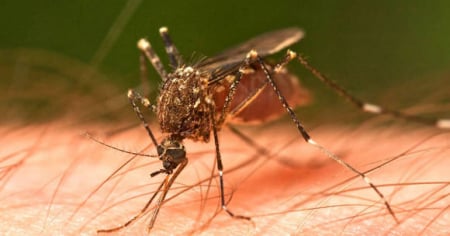
The increase in suspected cases of dengue throughout the province of Pinar del Río, with active transmission in the municipality of San Luis and high incidence in Sandino, Guane, Los Palacios, and the popular council Hermanos Cruz of the provincial capital, indicates an expansion of the virus that vector control measures are unable to halt.
According to Dr. Andrés Villar Bahamonde, director of the Provincial Center for Hygiene, Epidemiology, and Microbiology, serotypes three and four of the virus are circulating, with the latter showing the highest spread among the population, despite the increased implementation of fever blockades and radiobatidas in the affected areas.
In light of this situation, active investigations and vector control actions have been strengthened, such as the “blocking of those with fever and the radiobatida in the blocks that are experiencing transmission,” noted the provincial newspaper Guerrillero.
The main recommendation remains to seek medical attention in case of fever, bleeding, weakness, or abdominal pain. However, the sustained increase in infections across the 11 municipalities of Pinar del Río calls into question the actual effectiveness of these measures.
This situation is compounded by the simultaneous circulation of respiratory viruses such as influenza, influenza A, and respiratory syncytial virus, which worsens the health status of the region and places additional pressure on a healthcare system that is barely responding with general calls to the population.
Despite the confirmation of the active presence of these viruses, health authorities do not provide details on the actual extent of the contagion, while the province faces a double epidemiological burden with no structural solutions in sight.
The increase in dengue cases occurs in a context worsened by the crisis of communal services and the lack of fuel that prevents fumigation.
High temperatures, heavy rainfall, and difficulties in electrical supply are conditions that also contribute to the proliferation of the transmitting mosquito.
At the end of July, Cuban health authorities confirmed the existence of five critical cases of dengue in the country, amidst a complex epidemiological situation marked by the simultaneous spread of dengue, chikungunya, and Oropouche fever in various provinces.
Dr. Francisco Durán, an Epidemiology specialist from the Ministry of Public Health, emphasized that the levels of mosquito vector infestation are particularly high in Pinar del Río and Santiago de Cuba, although the presence of the insect extends throughout the entire national territory.
"The clinical presentations are mostly not aggressive, but the risk of complications is always present, especially in children, the elderly, and people with chronic illnesses," he warned.
The specialist also mentioned that COVID-19 continues to circulate in the country and warned about new strains detected in at least 30 countries, which further complicates the health landscape and raises concerns about vaccination.
Despite the official statement's moderate tone, social media erupted this week following the news of the death of an 8-year-old boy in Manzanillo, allegedly due to hemorrhagic dengue, an incident that was not addressed by the authorities.
The structural flaws in the Health and Community system are creating a favorable environment for the spread of vector-borne diseases, emphasized the internet users.
Frequently Asked Questions About the Rise of Dengue and Respiratory Viruses in Pinar del Río
What is the current situation of dengue in Pinar del Río?
Dengue is on the rise in Pinar del Río, with active transmission in the municipality of San Luis and high incidence in Sandino, Guane, Los Palacios, and the Hermanos Cruz neighborhood of the provincial capital. Serotypes three and four are circulating, with the latter being the most widespread.
What measures are being taken to control dengue in Pinar del Río?
The authorities have strengthened vector control measures, including the blocking of febrile individuals and radiobatida in the affected areas. The main advice is to see a doctor in case of fever, bleeding, fatigue, or abdominal pain. However, the effectiveness of these measures has been questioned in light of the rising number of cases.
What other viruses are affecting the province besides dengue?
In addition to dengue, respiratory viruses such as influenza, influenza A, and respiratory syncytial virus are circulating, which worsens the health situation in Pinar del Río. These illnesses put additional strain on an already weakened healthcare system.
What factors contribute to the proliferation of the Aedes aegypti mosquito in Pinar del Río?
The proliferation of the Aedes aegypti mosquito in Pinar del Río is favored by high temperatures, heavy rainfall, and issues with electricity supply. Additionally, the crisis in community services and the lack of fuel hinder fumigation efforts.
Filed under: