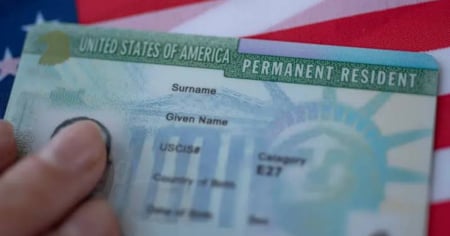
A citizen of Dominican origin, a permanent resident in the United States for eight years, was warned last weekend upon returning to the country through Fort Lauderdale Airport that she could lose her Green Card due to the frequency and duration of her trips to her country of origin.
According to the woman in statements to the reporter from Univision, Javier Díaz was detained by agents from the Customs and Border Protection (CBP), who took her to the feared "little room" while she was traveling with her minor child.
“They took me 'to the little room'. They pressured me, the girl was crying. They asked me what I was going to do. That I have to surrender my residency or that I have to apply for a permit,” said the immigrant.
“They told me that I was using the residency as a visa, that this is not correct: They told me so many things and the little girl was crying and scared. She kept saying, ‘Mommy, we are trapped’”, she added.
During the interrogation, one of the officers, having verified that the woman had been in the Dominican Republic for two months, warned her:
"You live in Miami or in Santo Domingo, but not in both places."
What does the immigration law say?
According to U.S. immigration law, a permanent resident cannot remain outside the country for more than six consecutive months without it being presumed that they may be abandoning their legal status.
Consulted by Univision, immigration attorney José Guerrero explained that, beyond the exact time, authorities have the authority to evaluate each case based on various factors: purpose of the trip, duration, frequency, and the ties the person has with the United States.
“A resident must reside permanently within the U.S. They cannot use it as a visa,” emphasized Guerrero.
"A person who spends a lot of time away, five months for example, returns for a week and then leaves for another five months; that person may have issues and might face attempts to revoke their residency," she explained.
What options are available to avoid problems?
The lawyer also reminded that permanent residents can apply for a re-entry permit if they plan to be outside the country for more than six months, thus preventing their frequent departure from being interpreted as abandonment of residence.
In the specific case of the Dominican citizen flagged by CBP, her travel pattern consists of spending two months in the United States and two months in the Dominican Republic, which represents a frequency of movement that could raise concerns among immigration authorities.
Frequently Asked Questions about Permanent Residency in the United States and Traveling Abroad
How long can a permanent resident be outside the United States without losing their Green Card?
A permanent resident cannot remain outside the United States for more than six consecutive months without a presumption of potential abandonment of their legal status. It is important to plan travels to not exceed this period and avoid issues when reentering the country.
What is Form I-407 and how can it affect my resident status?
The I-407 form is a document used to renounce permanent legal resident status. Signing this form may result in a permanent loss of residency, even if done under pressure. It is crucial not to sign it without legal counsel to avoid irreversible consequences.
What measures can a permanent resident take to avoid losing their status when traveling frequently?
Permanent residents can apply for a re-entry permit if they plan to be outside the United States for an extended period. This helps prevent their frequent departures from being interpreted as abandonment of residency. Additionally, maintaining strong ties with the United States, such as owning property or having employment, can also be beneficial.
What risks do permanent residents with criminal records face when re-entering the United States?
Permanent residents with a criminal record are at risk of being detained upon reentering the United States. The CBP has the authority to revoke the Green Card if laws have been violated, even if the offenses are minor. It is advisable to consult a lawyer before traveling if you have a criminal history.
Filed under: