
Related videos:
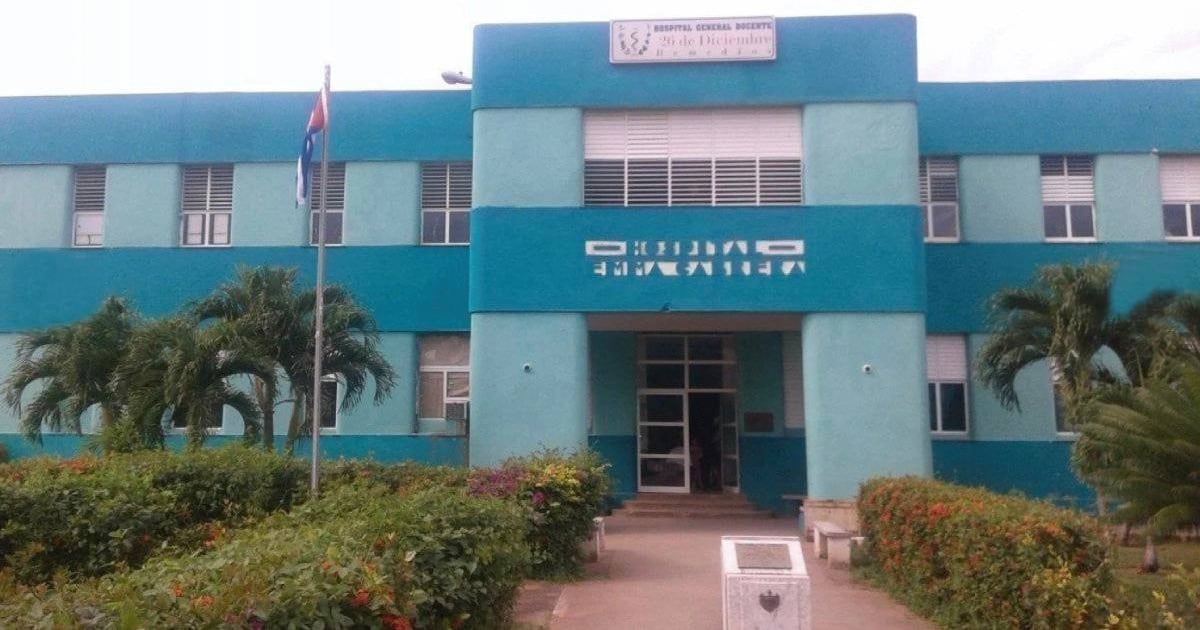
The General Directorate of Health in Remedios denied on Tuesday the rumors circulating on social media about the alleged closure of the General Hospital "26 de Diciembre" due to a lack of fuel.
Through an official statement released on Facebook, local health authorities assured that the hospital is not at risk of being closed, nor are there plans to transfer patients to other institutions.
They assert that the health center continues to provide medical services without interruption.
"The reality is that the hospital continues to operate normally, ensuring medical care for the population," the statement reads.
Regarding energy capacity, they explained that the generator set at the hospital currently holds over 850 liters of fuel, which allows for more than 65 hours of continuous operation.
This guarantees operability even in the event of prolonged power outages, the note emphasizes.
The availability of diesel is constantly monitored in coordination with the company CUPET, they assured.
Health authorities stated that the rumors are completely unfounded and are part of a supposed "destabilization agenda" by foreign media outlets that, they claim, aim to create "uncertainty and panic" among the population.
"The General Directorate of Health categorically rejects the misinformation that has circulated from media based outside Cuba," they stated.
They also called on citizens not to be swayed by speculation and to consult only official sources to stay properly informed.
The denial comes amidst a context of acute energy crisis in Cuba, which has led to prolonged blackouts across the country, also affecting healthcare centers.
The Electric Union (UNE) reported this Tuesday a deficit of over 1,400 MW, while citizens are reporting on social media longer and more frequent power outages than those acknowledged in official statements.
In Havana, for example, there were 24 continuous hours of power outage on Monday, even affecting the backup block, which highlights the operational collapse of the national electrical system.
Frequently Asked Questions about the Energy Crisis in Cuba and the Situation of the Hospital in Remedios
Is the "26 de Diciembre" General Hospital in Remedios at risk of closing due to a lack of fuel?
No, the hospital is not at risk of closure due to a lack of fuel. The health authorities of Remedios have assured that the hospital is operating normally, with more than 850 liters of fuel for its generator, which guarantees over 65 hours of continuous operation even in the event of power outages.
How does the energy crisis affect health services in Cuba?
The energy crisis in Cuba has caused prolonged blackouts affecting various sectors, including healthcare services. While the hospital in Remedios claims to have the situation under control, other institutions may face similar challenges due to fuel shortages and the collapse of the national electric system.
What is the current situation of the electrical system in Cuba?
Cuba faces a severe deficit in electric generation capacity, with prolonged and frequent blackouts. The causes include breakdowns in thermoelectric plants, a lack of fuel, and technical constraints. The Electric Union (UNE) reports deficits exceeding 1,400 MW during peak hours, affecting millions of Cubans.
What measures have been taken to address the energy crisis in Cuba?
The Cuban regime has implemented scheduled outages in the electricity service to balance demand with limited availability. However, the lack of structural solutions and the fuel shortage continue to worsen the situation, with no clear prospects for improvement in the short term.
Filed under: