
Related videos:
The Centers for Disease Control and Prevention (CDC) in the United States issued a travel warning following the confirmation of an outbreak of chikungunya in southeastern China, where more than 7,000 cases have been reported, specifically in Guangdong province.
The warning from the CDC indicates that the city of Foshan has the majority of cases.
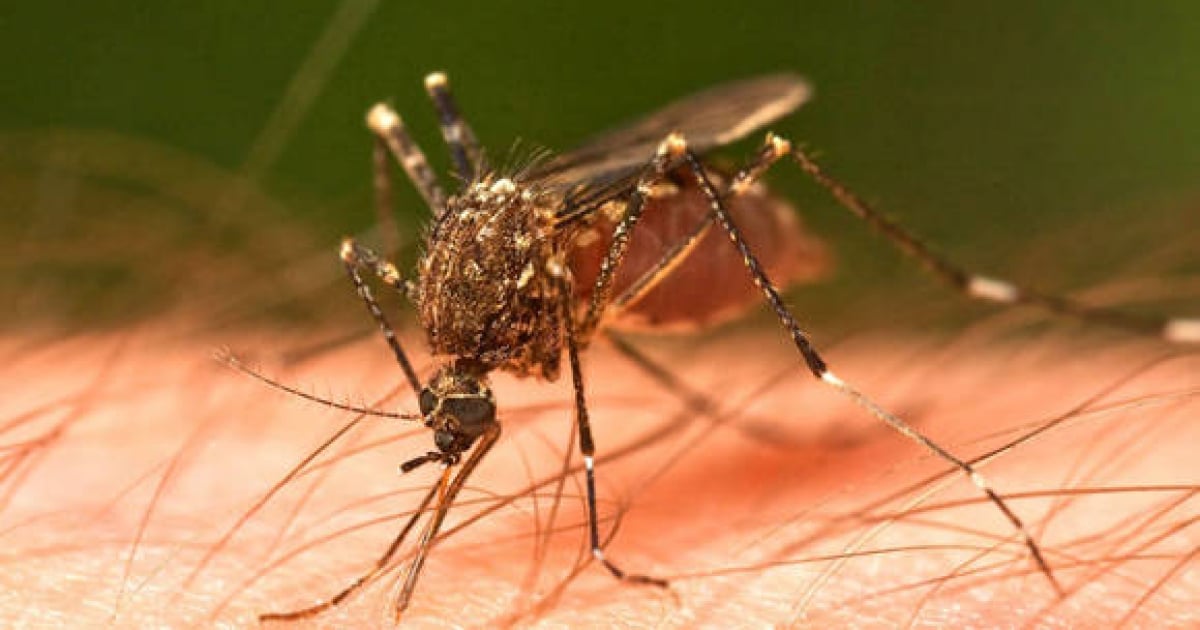
It highlights the rapid spread of the disease, which is transmitted by the bite of infected mosquitoes, and urges travelers to take extra precautions if they plan to visit the region.
According to the warning from the organization, the most common symptoms of chikungunya include high fever, intense joint pain, muscle pain, headache, rash, and swelling in the joints.
Symptoms appear between 3 and 7 days after the bite. Although most infected individuals recover within a week, joint pain may persist for months or even years in some cases.
Newborns, older adults, and people with pre-existing conditions, such as diabetes or heart problems, are at a higher risk of experiencing severe complications. However, death is uncommon, the CDC emphasized.
To reduce the risk of infection, the CDC recommends the use of effective insect repellents, wearing clothing that covers arms and legs, and avoiding areas with high mosquito density.
If possible, get vaccinated before traveling to areas with outbreaks. Currently, two vaccines against chikungunya are approved in the United States.
Between July 20 and 26, 2,940 new cases were reported in Guangdong, according to the National Health Commission of China.
All were mild, with no reports of severe cases or fatalities.
The Chinese government recently organized a national conference to coordinate health prevention and response measures in light of the outbreak.
Chikungunya was first identified in Tanzania in 1952, and since 2004 it has been the cause of more frequent and global outbreaks.
The virus has already been detected in Asia, Africa, Europe, North America, and South America.
Frequently asked questions about the chikungunya outbreak in southeastern China
What is chikungunya and what are its most common symptoms?
Chikungunya is a viral disease transmitted by the bite of infected mosquitoes, primarily of the Aedes genus. The most common symptoms include high fever, severe joint pain, muscle pain, headache, rash, and swelling in the joints. These symptoms usually appear between 3 and 7 days after the bite and can be particularly debilitating due to the persistent joint pain.
Where has the chikungunya outbreak been confirmed in China, and how many cases have been reported?
The chikungunya outbreak has been confirmed in southeastern China, specifically in Guangdong province. More than 7,000 cases have been reported, with the majority concentrated in the city of Foshan. This outbreak has prompted the CDC to issue a warning for travelers planning to visit the region.
How can one prevent the transmission of chikungunya when traveling to affected areas?
To prevent the spread of chikungunya, it is advisable to use effective insect repellents, wear clothing that covers arms and legs, and avoid areas with a high density of mosquitoes. If possible, getting vaccinated before traveling to areas with outbreaks is an important preventive measure. Currently, two chikungunya vaccines are approved in the United States.
What groups of people are at greater risk of experiencing severe complications from chikungunya?
Newborns, the elderly, and individuals with pre-existing conditions, such as diabetes or heart problems, are at higher risk of experiencing severe complications from chikungunya. Although most infections are not fatal, joint pain can persist for months or even years in some cases.
Filed under: