
Related videos:
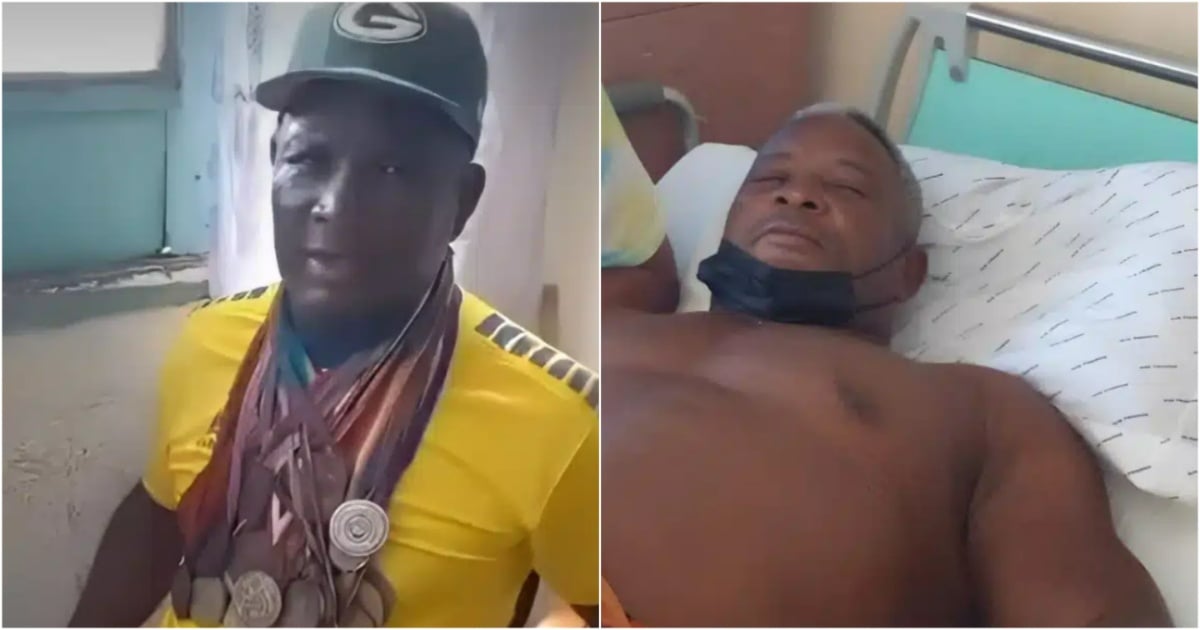
Former wrestler Roberto Limonta, a star of Cuban sport, denounced the authorities for their neglect, stating that they “promised many things but did not follow through.”
“I left the national team in 1995 and they offered me many things, like a change of house and vehicle, but none of that has been fulfilled for me,” Limonta stated in a Facebook comment reported by the independent media Swing Completo.
The comment from Limonta was triggered by a post about Mijaín López's coach, Raúl Trujillo, who received a used car that did not meet the required technical standards as a reward from the regime for his service to sports on the island.
"I, Roberto Limonta Vargas, the stone of professional wrestling, support these views of Professor Trujillo, as I am experiencing all these things," the wrestler commented.
Limonta stated that he is "operated on with two hip prostheses, as a result of injuries from the sport itself."
"I continue to live on the fifth floor. Nobody remembers me, and no one says anything; only my loneliness and my sadness accompany me," she added.
The athlete listed his extensive achievements, which include 15 national championships, two titles at the Central American Games, three at the Pan American Games, six medals in World Cups (two silver and four bronze), a bronze medal at the World Championship in Varna 1991, and a commendable sixth place at the Barcelona 1992 Olympics.
Reports of Cuban sports legends forgotten and neglected by the authorities are becoming increasingly common.
In September 2024, it was revealed that Margarita Skeet, one of the prominent figures in Cuban women's basketball, is in total abandonment and survives thanks to the help of her neighbors in the municipality of Cotorro, Havana.
Skeet is blind, lives in modest surroundings, and survives on the charity of some friends, without the support of the island's athletic authorities, despite his great accomplishments in the past.
In July of the same year, the former volleyball player Abel Sarmientos Bios, a member of a generation that elevated Caribbean volleyball to top positions in the world, passed away in Havana at the age of 61, plagued by poverty and neglect.
Sarmientos was an extraordinary forward for the national team for 14 years, from 1981 to 1994.
In February 2023, Félix Isasi, a legend of Cuban baseball, denounced the neglect of the authorities in Matanzas, after not receiving support or visits following a transient ischemic attack and spending several days in the hospital. He also mentioned that he struggled "even to get parts for his car." Under those circumstances, he passed away in February 2024.
In September 2022, former youth world champion in javelin Marisleysis Duharte Morell criticized the government and the authorities amid her battle against a chronic autoimmune rheumatic disease.
The former athlete from Santiago recalled that she was "a healthy, joyful, and vibrant person," but later added, "at INDER, no one remembers me, or who I am, or who I was, and even less of what I contributed as an athlete to the nation."
Frequently Asked Questions about the Abandonment of Cuban Sports Glories
Who is Roberto Limonta and what accusation has he made?
Roberto Limonta is a former Cuban wrestler and a sports icon on the island, known for his impressive record that includes multiple national and international championships. Limonta has spoken out about the abandonment by Cuban authorities, who, according to him, promised him benefits such as changes in housing and vehicle after his retirement, promises that were never fulfilled.
What situation do other Cuban sports legends face?
Other Cuban sports heroes have also reported neglect and hardship. Cases like those of Margarita Skeet, Abel Sarmientos, and Félix Isasi reflect a trend of neglect and oblivion on the part of the authorities, despite their contributions to national sports. These athletes face health issues, a lack of basic resources, and in some cases, deplorable living conditions.
What does the Cuban government say about the allegations of abandonment of athletes?
The Cuban government denies that sports glories are neglected and claims that they receive institutional support. According to Wilmer Lewis Calvo, national commissioner for Athlete Care, there are structures in place to support these former athletes, although he acknowledges that there may be cases of dissatisfaction that need to be addressed.
What impact has the abandonment of athletes had on public opinion in Cuba?
The abandonment of athletes has generated increasing outrage among the Cuban public. Social media has become a platform for citizens to express their dissatisfaction, sharing stories of athletes living in precarious conditions. These accusations have called into question the official narrative of support for sports heroes.
Filed under: