
Related videos:
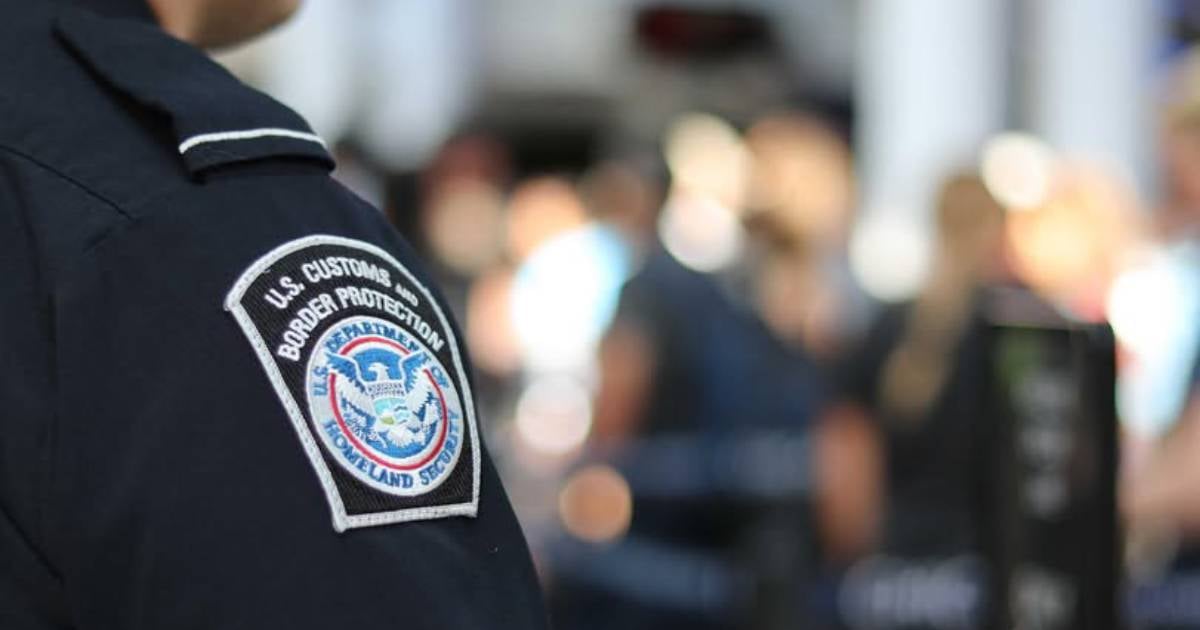
A passenger who landed at the George Bush Intercontinental Airport in Houston, Texas, from Cuba, witnessed how agents of the U.S. Customs and Border Protection (CBP) confiscated a bottle of scorpion venom, a substance whose importation is strictly regulated.
The incident, revealed last Wednesday by the federal agency itself on social media and reported by the Miami Herald, prompted a direct warning to travelers attempting to enter the country with undeclared biological materials, as CBP took the opportunity to write on its social media: "Please leave homemade remedies at home."
CBP reminded that all biological materials entering the United States must comply with international, federal, and state regulations and be documented, labeled, packaged, and declared. Ignoring these requirements may result in delays, fines, criminal proceedings, and seizures.
The agency also noted that the declaration of these types of materials can be made verbally, through mobile applications such as Mobile Passport Control, at self-service kiosks like Global Entry, or via form 6059B.
With this warning, the authorities aim to mitigate risks to public health, agriculture, and the country's natural resources.
According to the CBP Field Operations Director in Houston, Jud Murdock, the traveler claimed that the vial containing scorpion venom would be used for medical purposes. However, he did not provide the required documentation for its importation, resulting in the substance being seized after inspection by agricultural specialists.
In Cuba, scientists have been promoting the use of blue scorpion venom (Rhopalurus junceus) —a species endemic to the region— as an alternative treatment to relieve pain and inflammation, and even as a complementary therapy in cancer cases.
The state pharmaceutical company Labiofam has been marketing it since 2011 under the name Vidatox, although its effectiveness against tumors continues to be questioned by the international scientific community, according to a report by Reuters.
Frequently Asked Questions about the Seizure of Scorpion Venom in the U.S.
Why was the scorpion venom confiscated at Houston airport?
The scorpion venom was seized because its importation is strictly regulated and the passenger did not present the necessary documentation for entry into the country. U.S. Customs and Border Protection (CBP) emphasizes the importance of declaring and documenting all biological materials that are attempted to be brought into the country.
What risks are associated with bringing undeclared biological materials into the United States?
Entering undeclared biological materials can pose risks to public health, agriculture, and the country's natural resources. Additionally, ignoring regulations can lead to delays, fines, criminal proceedings, and confiscations, as outlined by CBP.
What is the use of scorpion venom in Cuba?
In Cuba, the venom of the blue scorpion (Rhopalurus junceus) has been promoted as an alternative treatment to relieve pain and inflammation and as a complementary therapy in cancer cases. However, its effectiveness against tumors continues to be questioned by the international scientific community.
Filed under: