
Related videos:
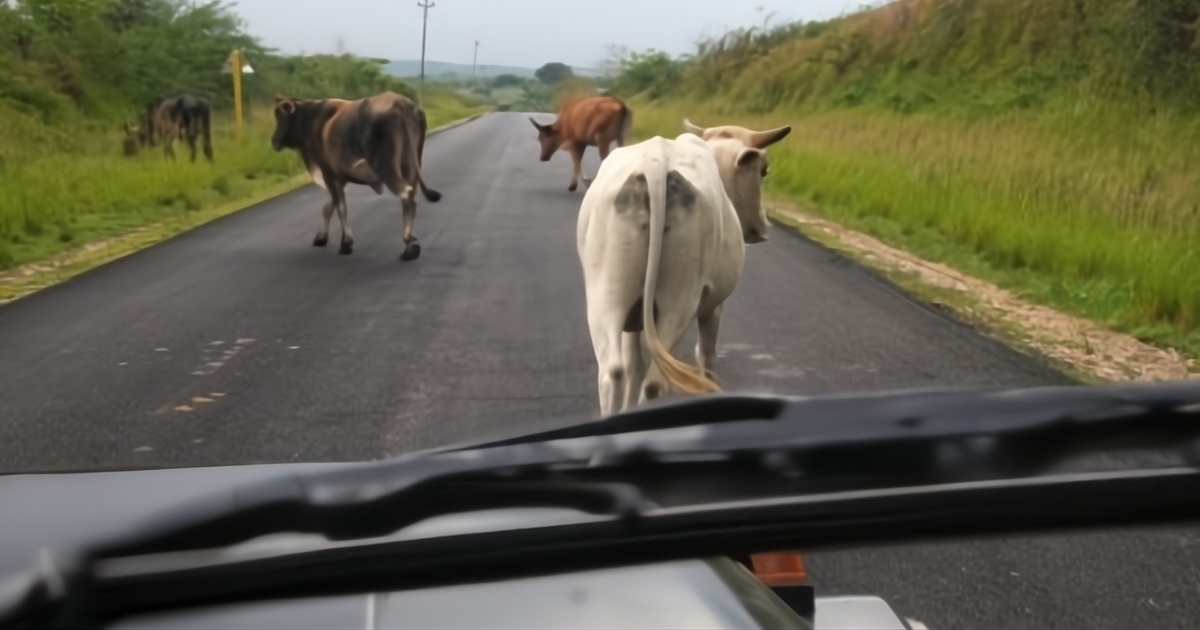
Camagüey, Santiago de Cuba, and Mayabeque are among the provinces with the highest number of reports of loose animals on the roads, a phenomenon that continues to cause accidents and endanger the lives of drivers and pedestrians.
Official figures from the Ministry of Agriculture (Minag) indicate that fines imposed for this reason exceed 2.2 million pesos so far this year.
Until June, the authorities conducted 1,932 patrols on major roads and 146 inspections of railways, which led to the detection of 106 loose animals. The government also decided to confiscate 278 heads of cattle for this reason.
The ratio between the routes taken and the detections raises questions about the actual effectiveness of these operations. The control actions resulted in 210 fines totaling 2 million 250 thousand pesos, and 573 warning notices were issued to livestock owners.
The economic sanctions, in a context of widespread crisis and resource scarcity in the agricultural sector, represent an additional burden for many producers.
In the western region of Cuba, territories such as Pinar del Río, Artemisa, and Matanzas show low rates of seizures and sanctions; however, Mayabeque faces a delicate situation due to the presence of bison in areas close to the roads, significantly increasing the risk of serious accidents.
Authorities have urged livestock farmers to enhance perimeter fences and strengthen control over their animals. However, this measure has sparked criticism among producers who point to a lack of materials, the deterioration of rural infrastructure, and the absence of effective support to ensure road safety in agricultural areas.
The problem of stray animals on roads and railways is not new. The persistence of this issue shows that punitive measures, without a comprehensive plan for prevention and maintenance of the routes, will hardly reduce the accident rates in the country.
Frequently Asked Questions about Issues with Loose Animals and the Crisis in Livestock in Cuba
What are the provinces most affected by the presence of loose animals on the roads in Cuba?
Camagüey, Santiago de Cuba, and Mayabeque are the provinces most affected by the presence of stray animals on the roads. This phenomenon has caused accidents and poses a risk to the lives of drivers and pedestrians.
How much has the Cuban government collected in fines for loose animals on the roads?
The Cuban government has collected more than 2.2 million pesos in fines for the presence of loose animals on the roads. The economic sanctions impose an additional burden on producers in the context of a widespread crisis.
How does the livestock crisis affect road safety in Cuba?
The crisis in Cuban livestock, characterized by the loss of over 900,000 head of cattle since 2019, has increased the risk of accidents due to the presence of loose animals on the roads. The lack of resources and support for producers contributes to road safety concerns.
What measures has the Cuban government taken to control the situation of stray animals?
The government has conducted tours and inspections to detect loose animals, imposing fines and confiscating livestock. However, these measures have been criticized for their lack of effectiveness and the economic impact on producers.
Filed under: