
Related videos:
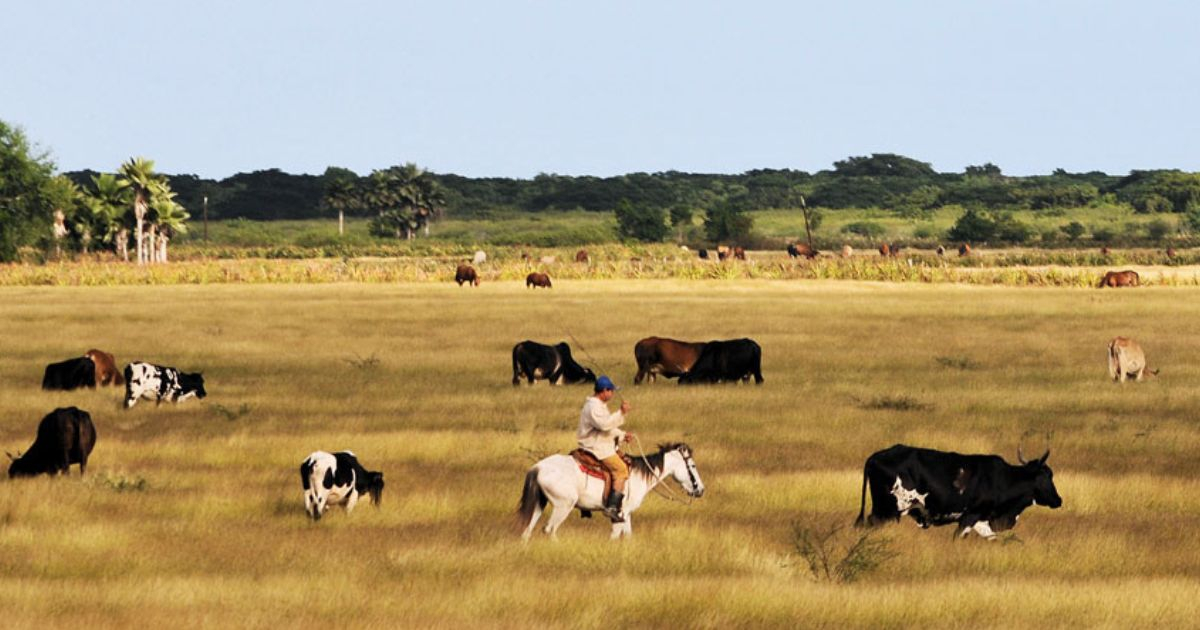
Cattle ranching in the province of Las Tunas is undergoing a deep crisis due to the failure to meet production targets, the diversion of resources, and poor management of animal feeding.
According to the official Periódico 26, among the most serious issues facing the sector are the decline in meat delivery to the industry, the failure to collect milk, and the lack of feed planting for livestock, one of the most frequently reiterated —and least monitored— directives in recent years.
The publication notes that in the municipalities of Amancio and Jobabo, milk is not even collected on some routes, which has encouraged its diversion to the informal market, where prices are more attractive for producers.
Despite the excuses related to poor soils or lack of rainfall, the medium itself acknowledges that there are examples in the eight municipalities where productive units that grow forages such as moringa, mulberry, sugarcane, or king grass report higher yields.
"Proper nutrition improves birth rates, reduces calf mortality, and decreases cattle theft and slaughter," the text notes, which also references a recent meeting between Communist Party officials and agricultural system leaders to analyze poor results and demand solutions.
During the meeting, other violations related to the agricultural sector were also discussed, such as the delays in planting sweet potatoes, rice, and beans, the limited use of organic fertilizers, issues with the tobacco campaign, unpaid farmers, and setbacks in pork recovery.
Although several agreements and institutional commitments were approved, the situation described in Periódico 26 reflects a chain of structural errors that directly affect food production in a key province for the national agricultural balance.
The livestock crisis affecting Las Tunas has been exacerbated by a combination of institutional neglect, lack of incentives, and logistical mismanagement.
Several ranchers in the province have reported that they lack food for their animals, face systematic non-payments, and are forced to rely on their own resources or the informal market.
State negligence and failed agricultural policies have forced several farmers to get rid of their animals, due to the inability to sustain them. Some have had to sell them at a loss or sacrifice them to prevent further losses.
In this context of vulnerability, unusual criminal incidents have been reported, such as a recent robbery in which thieves caused the stampede of several cattle after breaking down the fence of a private pasture, which producers describe as "rural desperation."
But Las Tunas is not the only province in collapse. In Camagüey, one of Cuba’s historically cattle-raising territories, milk production has been cut in half in just five years. The deterioration of productive conditions and the lack of contractual guarantees have demotivated local producers.
On a national scale, the situation is equally alarming: Cuba has lost more than 900,000 head of cattle since 2019, a decline that reveals the structural failure of the agricultural model imposed by the regime.
Frequently Asked Questions about the Livestock Crisis in Las Tunas
What are the main causes of the livestock crisis in Las Tunas?
The livestock crisis in Las Tunas is mainly due to the failure to meet production targets, misallocation of resources, and poor management of animal feed. In addition, there are issues with unpaid dues to producers and frequent cattle thefts, which further worsen the situation in the sector.
How does inadequate nutrition affect livestock in Las Tunas?
The lack of proper nutrition in livestock leads to a decrease in birth rates, an increase in calf mortality, and a rise in theft and illegal slaughter. This directly impacts meat and milk production, worsening the crisis in the sector.
What measures have been proposed to address the livestock crisis in Las Tunas?
During meetings with local authorities, several measures have been proposed such as improving forage planting, increasing surveillance against cattle theft, and demanding timely payments from producers. However, the effective implementation of these measures is still pending.
What is the current situation of milk production in Las Tunas?
The production of milk in Las Tunas is in decline due to the lack of collection on some routes and the diversion to the informal market. This has resulted in a failure to gather milk, harming both the industry and consumers.
Filed under: