
Related videos:
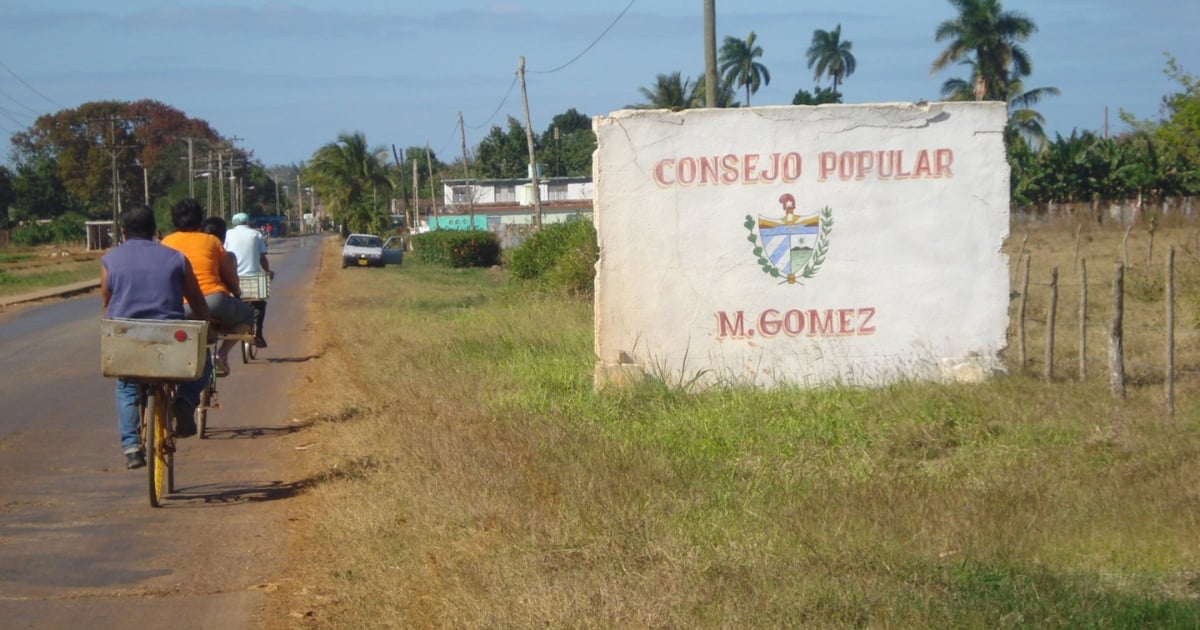
Residents of the Máximo Gómez community in the Perico municipality, Matanzas province, reported that more than 70% of the population is experiencing fever, vomiting, and severe weakness, with no access to medication or medical care.
A complaint made by activist Yamilka Lafita (known on social media as Lara Crofs) reveals that in the past three days, residents in the area have had barely one hour of electricity, which worsens the sanitary and living conditions in the community.
"More than 70% of the population is sick with fever, vomiting, and extreme weakness. There are no medications. No medical tests are being conducted. In three days, they have only had one hour of electricity," said Lafita.
It ensures that medical analyses are not being conducted to determine the cause of the illness, leaving hundreds of people without a diagnosis or treatment.
The complaint states that the town is “abandoned to its fate”, while authorities prioritize resources for propaganda and political projects.
The lack of healthcare, combined with the deterioration of basic services, keeps the population in a state of alarm and uncertainty.
The neighbors made an urgent call to the Cuban health authorities and the international community for humanitarian aid to help face the crisis. “The health and lives of Cubans cannot continue to be ignored,” the complaint concludes.
At the end of July, health authorities in the province of Matanzas confirmed an outbreak of chikungunya in the España Republicana Popular Council, located in the municipality of Perico, following a sustained increase in patients with unspecified fever since the beginning of July.
The detected cases exhibited high fever with a sudden onset, severe joint pain, and inflammation, which are characteristic symptoms of this viral disease transmitted by the Aedes aegypti mosquito.
Upon confirmation of the outbreak, local authorities immediately activated a contingency plan to halt the spread.
Among the announced measures were the reinforcement of fumigation and vector control, the application of larvicides (abate) in water storage, intensive environmental sanitation activities, active house-to-house search for febrile cases, and home and hospital medical evaluations based on clinical risk.
Frequently Asked Questions about the health crisis in Matanzas and the chikungunya outbreak
What is happening in the town of Máximo Gómez, in Matanzas?
In the town of Máximo Gómez, more than 70% of the population is sick with fever, vomiting, and extreme weakness, lacking access to medications or proper medical care. The lack of electricity and resources exacerbates the situation, leaving residents in a state of alarm and uncertainty.
What is the cause of diseases in the municipality of Perico?
The health authorities of Matanzas have confirmed an outbreak of chikungunya in the municipality of Perico. Chikungunya is a viral disease transmitted by the Aedes aegypti mosquito, which causes high fever, severe joint pain, and inflammation. Control measures include fumigation and intensive vector control.
What actions are the authorities taking to combat the chikungunya outbreak?
The authorities have implemented a contingency plan that includes intensive fumigation, control and elimination of mosquito breeding sites, as well as active searching for fever cases. Additionally, home and hospital medical evaluations are being conducted to control the spread of the virus.
What impact do power outages have on public health in Cuba?
Prolonged blackouts in Cuba are a significant threat to public health. The lack of electricity contributes to the proliferation of mosquitoes and deteriorates sanitary conditions, facilitating outbreaks of diseases such as dengue and chikungunya. Additionally, it affects the mental and physical health of the population by preventing the use of fans and adequate refrigeration.
Filed under: