
Related videos:
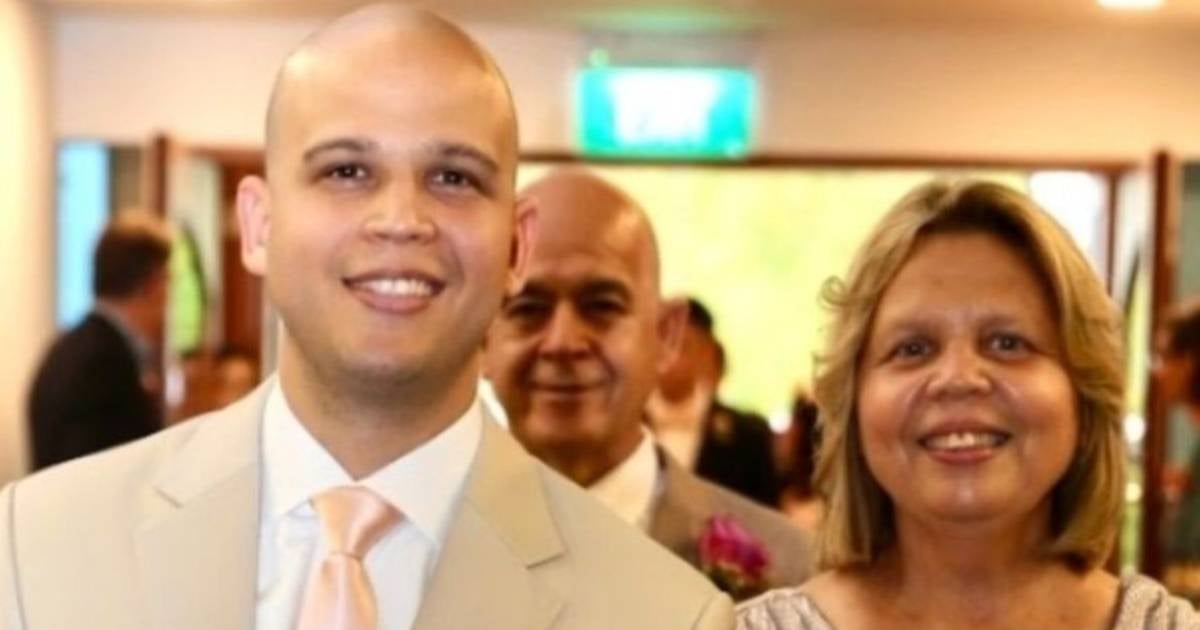
The drama of Roger O’Connor, a Cuban resident in Singapore, reflects the cruelty of the new immigration restrictions imposed by the U.S. government, which today prevent him from being with his family during one of the most painful moments of his life, which is the death of his mother.
O’Connor told the television station WVLT-TV, based in Knoxville, Tennessee, that her mother passed away last week in a car accident in Pigeon Forge while celebrating her birthday with her husband.
Since then, her greatest concern is being able to travel to the United States to be with her father and say goodbye to him at the funeral scheduled for August 24 in Chattanooga.
“It has been very hard for my father. I think I might be the rational person in this situation, and my father is overwhelmed by emotions and pain. Right now, I just hope to be there for him,” said the Cuban in statements to WVLT-TV.
The problem is that Roger faces the bureaucratic wall raised by the presidential proclamation signed by Donald Trump in June 2025, which restricts entry to the United States for citizens from seven countries, including Cuba, under the argument of “national security risks.”
The weight of restrictions
Trump's executive order suspended the issuance of new visas for Cubans in the most common categories: B-1 (business), B-2 (tourism), B-1/B-2 (mixed), F (students), M (trainees), and J (cultural exchange). Although it includes exceptions, the text did not provide a specific pathway for humanitarian cases, complicating matters for those, like Roger, who need an urgent travel permit.
According to O’Connor himself, he has already had to experience grief from a distance, saying goodbye to his mother through a family video call. “It was a very difficult moment for me. We prayed and cried together as a family,” he recounted.
Roger's meeting with the U.S. embassy is scheduled for this Wednesday. He knows that time is not on his side, but he insists that, even if he doesn't make it to the funeral, he wants to be by his father's side and pay his respects at the cemetery.
"I told [my dad]: if I can't go, why don't you take some time off work and come stay with me? Maybe a month or two so we can spend time together. But I think what matters right now is that I go," she explained.
A story that hurts many Cuban families
The odyssey of this Cuban is not an isolated case. Since the announcement of the new migration proclamation, thousands of Cubans have seen their travel, study, or family reunification plans canceled.
The White House justified the measure by accusing the Havana government of being a "state sponsor of terrorism" and of refusing to cooperate on deportations and security matters.
For ordinary Cubans, however, the measure represents another blow to their already fragile relationship with their families in the United States. In Roger's case, it translates into the very real possibility of not being able to say goodbye to his mother or support his father in the midst of grief.
Her story echoes that of many Cubans marked by distance and politics, where every immigration process can turn into an insurmountable barrier to something as human as mourning together the loss of a loved one.
Frequently asked questions about U.S. immigration restrictions and their impact on Cubans
Why can't Roger O'Connor obtain a visa to attend his mother's funeral in the U.S.?
Roger O'Connor faces immigration restrictions due to the presidential proclamation signed by Donald Trump in 2025, which limits the entry into the U.S. for citizens from certain countries, including Cuba, arguing "national security risks". This executive order suspended the issuance of new visas for Cubans in the most common categories, complicating their travel for humanitarian reasons.
What are the arguments of the U.S. government for imposing travel restrictions on Cubans?
The U.S. government justifies immigration restrictions on Cubans by accusing the Havana government of being a "state sponsor of terrorism" and of failing to cooperate on deportations and security matters. Additionally, high rates of visa overstays and the lack of consular cooperation are cited as reasons for the restrictions.
What alternatives do Cubans affected by U.S. immigration restrictions have?
Affected Cubans may consider options such as utilizing dual nationality if they possess a passport from a country not included in the restrictions. Furthermore, although there is no specific humanitarian visa, they could request individual exceptions in cases of national or humanitarian interest. It is also advisable to consult with immigration lawyers to explore all possibilities.
How do these restrictions affect Cuban families seeking reunification in the U.S.?
The immigration restrictions imposed by the U.S. have suspended family reunification processes for Cubans claimed by legal permanent residents, leaving thousands of families in a migratory limbo. This particularly affects those who are waiting to reunite with their loved ones after long application processes.
Filed under: