
Related videos:
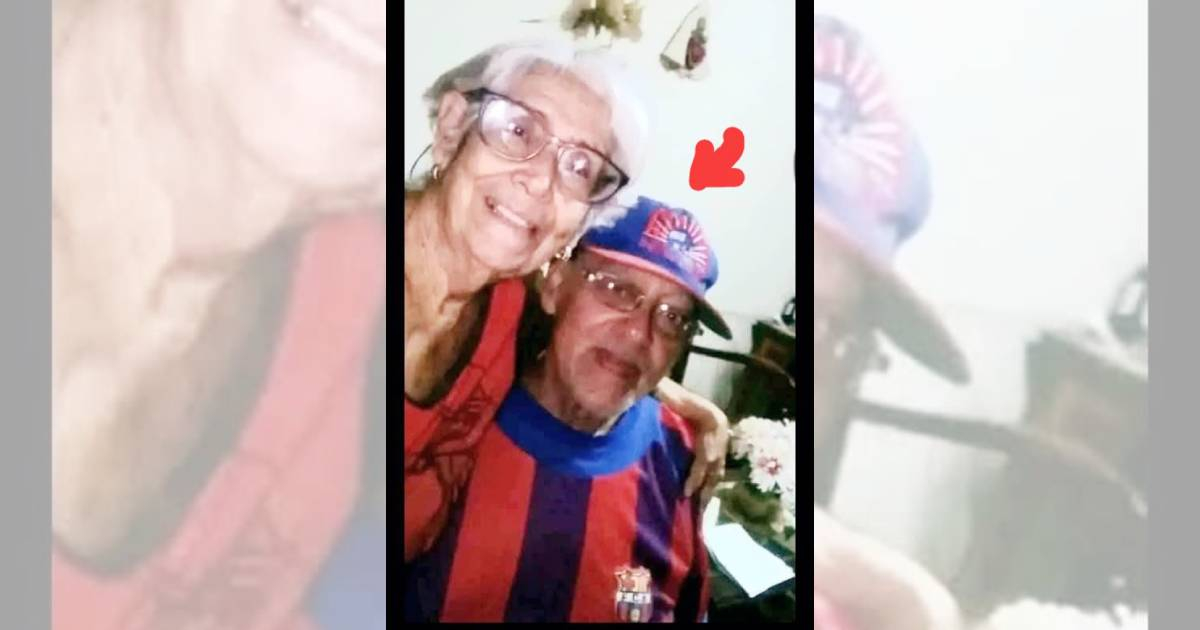
The family of Ángel Luis Mercantety Quiñones, 74 years old, is experiencing moments of distress since he was last seen in the Abel Santamaría neighborhood, Micro 3, in the city of Santiago de Cuba.
Despite the pleas from his loved ones, there are no official reports regarding his whereabouts.
The disappearance occurred on Thursday, August 21, around 7:00 PM and was reported by a niece of the elderly person, who approached the user La Tijera with the aim of achieving greater outreach through their Facebook profile and calling on the public to help in the search.
"Please, we need help. My uncle is missing and with every passing hour, our worry grows. We only ask that this is shared so that the news reaches more people and someone can provide us with information," said the family member in statements reported by La Tijera.
So far, the only available information comes from the testimonies of relatives, as the authorities have not issued any statements.
This official silence leaves the family in uncertainty and forces them to turn to social media to try to expedite the search.
The relatives are requesting that anyone with information about Mercantety Quiñones contact them or the local authorities immediately.
The family's urgent call reflects not only the despair over the time that has passed, but also the lack of institutional responses in a case that jeopardizes the safety of a vulnerable elderly person.
The family of Alicia María Montes de Oca Pérez, a young woman with mental health issues, has requested public assistance in locating her following her disappearance on August 21 in Guantánamo.
Also in the eastern territory, family and friends of a young man identified as Over Luis are engaged in an intense search following his disappearance last Monday, August 18, with no news of his whereabouts to date.
The family of Annia Robert Isaac, originally from Guantánamo, made an urgent call for help and offers a reward of 250 dollars to anyone who can find her and keep her safe until she can be rescued by her loved ones.
Similarly, the family of Noguella Lezcano Milián, an 80-year-old woman who has been missing for a week, continues their search and has offered a reward of 200 dollars for any information about her whereabouts.
In recent years, desperate families have turned to social media to share photos and basic information about their missing loved ones, due to the lack of a public rapid alert system and the silence of official media.
This institutional void has forced communities to create their own search channels through Facebook groups and WhatsApp chains, where reports, testimonies, and possible leads are shared.
Although this citizen self-management has become a vital resource, it also exposes the fragility and absence of effective protocols in official instances.
Activists and users demand that authorities implement swift and transparent mechanisms to respond to these disappearances, where every lost hour can mean the difference between life and death.
However, at the end of July, the Educational Channel of the Cuban state television broke the institutional silence regarding the disappearance of Doraiky Águila Vázquez, a 48-year-old woman from Havana whose whereabouts have been unknown since March 15.
Frequently Asked Questions about Disappearances in Cuba
Why are disappearances so frequent in Cuba?
The lack of a public alert and rapid search system is one of the main reasons why disappearances in Cuba have become frequent. Families often rely on social media to spread information, due to the inaction of the authorities and the limited coverage in official media.
How are families responding to the disappearance of their loved ones?
Due to the lack of institutional response, families are turning to social media such as Facebook and WhatsApp to share photos and information about missing persons. This community self-management has gained importance in the absence of effective official protocols for search and rescue.
What role do social media play in the search for missing persons in Cuba?
Social media has become the primary tool for mobilizing solidarity and tracking leads in the search for missing persons in Cuba. Families and communities use it to share information and coordinate search efforts due to the lack of effective official channels.
What measures are required to improve the response to disappearances in Cuba?
Activists and family members demand the implementation of agile and transparent protocols by the Cuban authorities to respond effectively to disappearances. A system for early alerts and greater mobilization of official resources in these critical cases is being requested.
Filed under: