
Related videos:
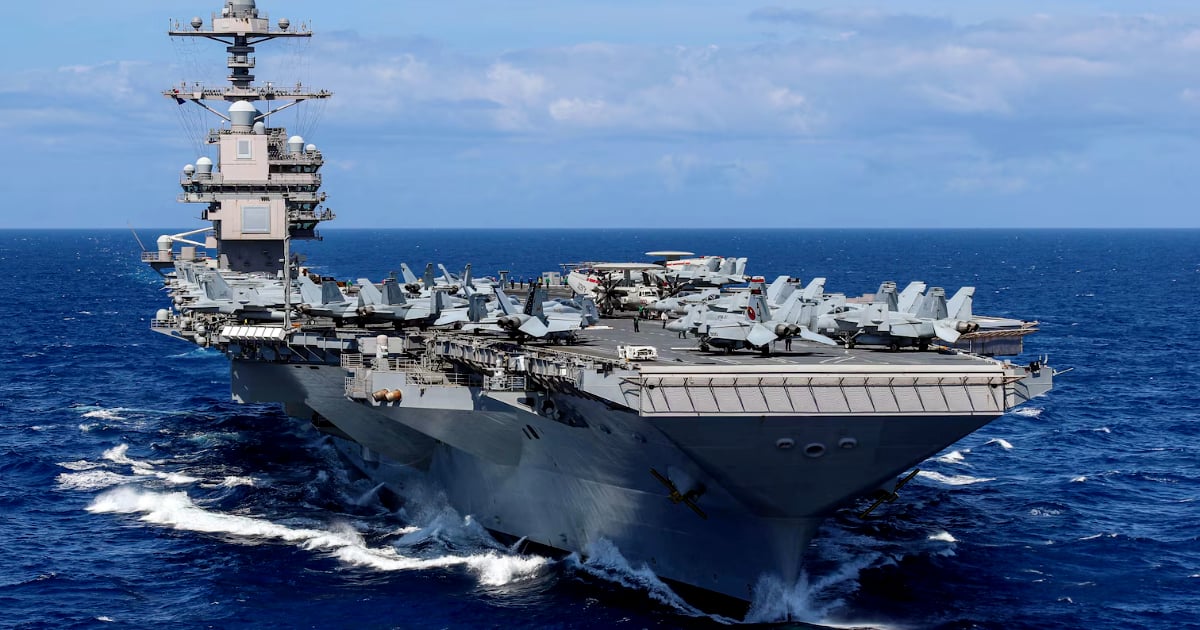
The announcement of the U.S. naval reinforcement in the Caribbean, with destroyers and amphibious ships approaching the shores of Venezuela, sparked an intense debate among the followers of CiberCuba Noticias on Facebook.
The reactions, filled with humor, hope, skepticism, and outright rejection of war, reflected the expectations of freedom that reside in Cuban civil society, their opposition to dictatorial regimes, as well as the polarization that any military action in the region inevitably causes.
The mainstream: Enthusiasm and Expectation
The most recurring opinion was from those who celebrate the movement as a precursor to the end of Nicolás Maduro and, by extension, of Cuban influence in Caracas. Many users see the U.S. naval presence as a historic opportunity to overthrow dictatorships.
“All that's left is an aircraft carrier and the program is complete, let's go after Maduro and his miserable accomplices”, wrote a netizen, in a comment that ultimately set the tone for the wave of enthusiasm.
Others were more direct and passionate: "No more criminal dictators. Let's go all in. Down with communism. Long live freedom and democracy. God bless America. Trump the tough.", celebrated another comment amidst digital applause.
The echo was repeated in dozens of messages with a common theme: the hope that the naval deployment is the precursor to a decisive blow against Maduro and subsequently against Cuba and Nicaragua. “Let them deal with those bastards, and then it's Cuba's turn”, requested another reader, reflecting the desire of many for military pressure to extend beyond Caracas.
The rejection: Fear of a massacre
In the face of the enthusiasm, another large group expressed alarm at the possibility of war. Their central argument: dictators rarely fall, but it is the innocent who pay the price of an invasion.
“A war ends with thousands of innocent people... I imagine they speak because they are not in Venezuela”, warned a comment, reminding that among the victims would be entire families and children with no connection to politics.
In an even more critical tone, someone directly responded to those calling for intervention: "Request an invasion while you're there, so you can feel what a bomb sounds like and witness your loved ones dying right before your eyes. One must have a very corroded heart to wish for that."
This sector of the conversation insisted that wars do not distinguish between the guilty and the innocent, and that those who call for attacks do so from a distance, without having to face the real consequences of violence.
Sarcasm and skepticism
A smaller, yet visible current responded with sarcasm, convinced that there would be no real intervention. “That's just blah blah blah, they know what they're getting into, they won't go beyond that”, someone commented mockingly.
Others reduced it to mere spectacle, more designed for media consumption than for concrete action. "This is the same as before, empty threats. In the end, nothing ever happened,” wrote another user, recalling previous military displays that did not lead to military operations.
Oil or drug trafficking?
The debate also revolved around Washington's motivations. For some, the priority is to bring down a "narco-state" and put an end to Maduro's alleged leadership in the Cartel de los Soles. "Nicolás Maduro is a drug trafficker, leader of the Cartel de los Soles. Every dog has its day.", said a comment that received considerable support.
In contrast, others expressed skepticism: “Do they really think they are going after Maduro? How naive. What they want is unlimited oil, gold, and many more resources”, stated a user, interpreting the operation as a continuation of U.S. intervention policies driven by strategic resources.
Trump, hero or villain
The president Donald Trump, architect of the deployment, was the subject of mixed opinions. For his supporters, he is the determined leader who can put an end to the dictatorships in the region. "Trump the tough, down with the murderers of Cuba, Venezuela, and Nicaragua", a comment echoed in a tone of acclaim.
For others, however, there are no differences between Maduro and the Republican leader. “Maduro is a dictator and Trump is another”, read one of the most controversial statements, which generated a flood of outraged responses.
The discussion around Trump revealed the political fracture within a community where visceral rejection of Chavism and communism mingles with distrust towards the foreign policy of the United States, led by Secretary of State Marco Rubio.
A conversation that reflects fractures
The thread on Facebook showed how the topic of Venezuela strikes a chord within the Cuban community, both on the island and abroad. For some, intervention would be the quickest path to freedom. For others, it represents a tragedy that would repeat the mistakes of the past and plunge the region into greater suffering.
What is clear is that, unlike other issues, the U.S. naval deployment did not leave anyone indifferent. Amid hope, fear, mockery, and skepticism, the conversation reflected the intensity with which Cubans and Venezuelans experience every move on the Caribbean chessboard.
Filed under: