
Related videos:
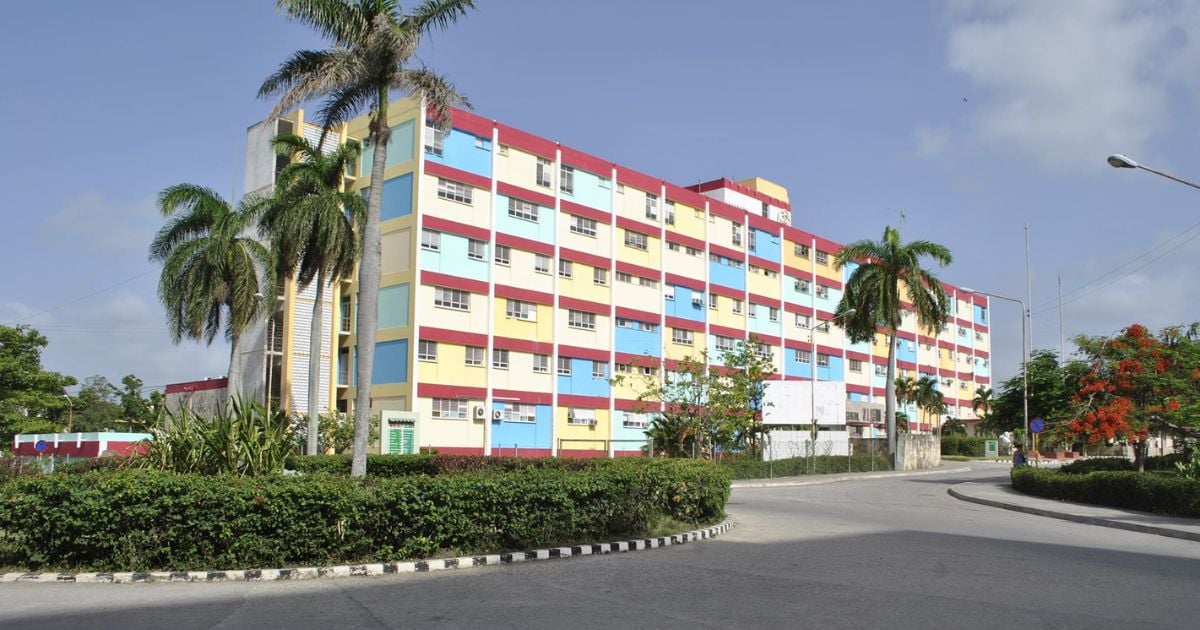
The family of an elderly man who passed away in Holguín publicly reported alleged negligence that occurred in the blood bank of Vladimir Lenin Hospital.
They claim that a blood donation urgently arranged for the patient was used for another person, which, according to them, may have shortened the man's final days of life.
The testimony was published on Facebook by Ernesto Almaguer Díaz, grandson of the late Marcelino Díaz Mendoza, aged 80, who was admitted on August 19 to Geriatrics A —commonly known as “Room 8”— due to a severe case of anemia.
The extremely low hemoglobin level, at just 5.6, necessitated an immediate transfusion.
According to the account, the family, with the help of supportive individuals, obtained a donation of O- blood, which is considered universal and suitable for emergency transfusions.
The procedure stated that it should be applied after testing on August 21.
However, that day, when the family members inquired about the transfusion, they were informed at the blood bank that the bag was labeled and frozen for the patient, and that it would soon be taken to the room.
Hours went by, and the blood never arrived. According to the complaint, around 6:20 p.m., after insisting once again, an official informed the family members that the donation intended for Díaz Mendoza had been used for another patient with an intestinal blockage, who was considered more critical at that moment.
"The O- blood that was meant for my grandfather was given to someone else, leaving him without the transfusion he needed," the grandson pointed out.
After desperate efforts at the Provincial Health Command and the hospital itself, another bag of blood appeared for the elderly man in less than half an hour.
However, for the family, that delay and the diversion of the donation marked a turning point in the decline of their health.
"Perhaps Papi could have lasted a few more days, but he lost the chance to receive in time what was achieved with so much effort," wrote Almaguer.
The complainant, deeply grateful to the doctors, nurses, and the anonymous donor who tried to save his grandfather's life, distinguished between the human effort of many professionals and what he considers a serious lapse in institutional responsibility.
"It is not against those who remain awake in the wards; it is against the blood bank of Hospital Lenin, which acted without sensitivity or respect," he expressed.
In addition to the specific case, the publication included a broader demand: a thorough investigation at the hospital.
Almaguer requested clarification on what happened with his grandfather's donation, whether it was a mistake, a discretionary decision, or if there were external interests involved.
He also demanded audits in the Accounting and Human Resources departments and criticized the state of neglect in the Geriatrics unit, which —he claimed— is feared by families in Holguín to the point that they make the sign of the cross when a patient is admitted there.
The grandson also reported the poor infrastructure conditions at the center: broken bathrooms, the presence of insects, a lack of stretchers and wheelchairs, and the absence of basic resources that, in his view, could be manufactured in local industries if there were the will to do so.
He also emphasized the need to dignify cleaning and support staff, whom he considers marginalized despite their significance.
"My grandfather was going to pass away anyway, but the least he deserved was what was due to him. I demand an explanation, not only for him but for so many patients who go through similar situations and have no voice," she concluded in her complaint.
A few days ago, the public was also shaken by the death of a two-year-old boy, whose passing was reported by family members as a result of delayed action by the medical staff.
In another hospital, the parents of a minor reported irregularities in their child's treatment, reinforcing the perception that errors in pediatric care are not isolated incidents.
In Camagüey, a similar tragedy occurred when a woman lost her life due to what her loved ones described as alleged medical negligence.
Social outrage grew to the point that the health authorities in Santiago de Cuba had to make a statement, promising investigations to clarify the causes and determine responsibilities.
Frequently Asked Questions about Negligence at the Blood Bank of Lenin Hospital in Holguín
What happened to the blood donation intended for the elderly man in Holguín?
The family of an elderly man who passed away in Holguín reported that a blood donation urgently arranged for him was used for another patient. The O- blood intended for the elderly man was administered to a patient with a more serious condition at that time, leaving him without the necessary transfusion. This may have contributed to the decline in his health and his eventual passing.
What was the family's reaction to the negligence at Lenin Hospital?
The elderly man's family expressed their gratitude towards the doctors and nurses who attempted to help, but highlighted their outrage towards the Blood Bank at Lenin Hospital. They denounced the lack of sensitivity and institutional responsibility and requested a thorough investigation to clarify what happened with the blood donation, as well as audits in the hospital's administrative areas.
What deplorable conditions are reported at the Vladimir Ilich Lenin Hospital?
Multiple failures have been reported in the hospital's infrastructure, such as broken bathrooms, presence of insects, lack of stretchers and wheelchairs, and absence of basic resources. The Geriatrics ward, in particular, is dreaded by families in Holguín due to its state of neglect. These conditions reflect a general deterioration of the healthcare system in Cuba, affected by a shortage of resources and ineffective management.
Are there other cases of medical negligence in Cuba that can be related to this incident?
Yes, other cases of medical negligence have been reported in Cuba in various provinces, such as Camagüey and Santiago de Cuba. These cases have included misdiagnoses, a lack of adequate medical care, and deplorable conditions in hospitals. These incidents reflect structural problems in the Cuban health system.
Filed under: