
Related videos:
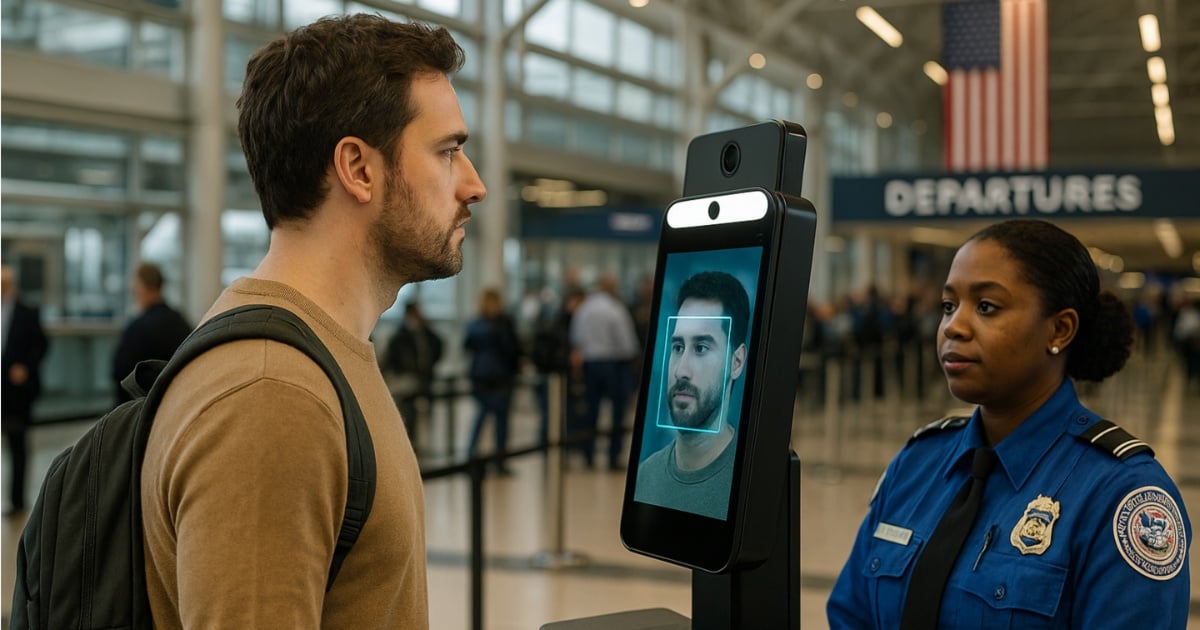
Airports in the United States have implemented automated biometric controls to streamline passenger transit ahead of the 2026 World Cup, which the country will host alongside Mexico and Canada.
According to the agency EFE, Atlanta's international airport, the busiest in the United States, launched its biometric data system this Friday. The new electronic gates allow travelers to verify their passport and identity without the need for an immigration officer.
According to the company CLEAR, responsible for the development, this system will soon be installed at Ronald Reagan Airport in Washington D.C. and at the Seattle-Tacoma international terminal, as part of a national expansion plan.
The implementation aims to meet the increasing tourist demand anticipated for the coming years, with events such as the 2026 World Cup, the celebration of the 250th anniversary of the independence of the United States, the 2025 Ryder Cup, and the 2028 Los Angeles Olympic and Paralympic Games, according to EFE.
The government estimates that these events will attract more than 40 million international visitors.
However, the new measures arrive in the context of strict immigration policy. President Donald Trump warned that some countries will face greater difficulties sending travelers to the World Cup, while Secretary of Homeland Security, Kristi Noem, stated that the documentation of all visitors will be “thoroughly” examined.
Political issues have already had repercussions: during the FIFA Club World Cup held this year in the U.S., some players faced visa problems, such as the Argentine Ayrton Costa (Boca Juniors), who was denied entry twice before finally obtaining the permit.
With the introduction of biometric controls, the authorities seek a balance between security and efficiency in a country that is preparing to be the epicenter of sports tourism in the coming decade.
Trump has promoted laws that institutionalize intensive biometric surveillance—facial recognition, fingerprints, among other biometric data—at airports.
These measures have significantly complicated international travel, not only for citizens of banned countries but also for those with valid documentation.
Frequently Asked Questions about Biometric Controls at U.S. Airports.
What are the biometric controls implemented in airports in the United States?
Biometric controls are automated systems that verify the identity of passengers using biometric data, such as facial recognition or fingerprints. These systems enable travelers to pass through security checks without the need for an immigration officer, thereby streamlining the movement in airports.
Why are biometric controls being implemented at U.S. airports?
The implementation of biometric controls in airports across the United States aims to streamline passenger transit by anticipating the large influx of tourists expected for events like the 2026 World Cup, as well as other significant celebrations in the country. Furthermore, the goal is to find a balance between efficiency and security in a context of strict immigration policies.
What are the concerns related to U.S. immigration policies in the context of sporting events?
The immigration policies of the U.S. under the administration of Donald Trump have raised concerns about potential difficulties in obtaining visas and fears of detentions at massive sporting events. Human rights organizations worry that these policies could impact the safety and participation of migrants and visitors in the 2026 World Cup and other major events.
How do the new immigration measures affect international travelers planning to visit the U.S.?
The new immigration measures include visa restrictions for certain countries, the implementation of bonds for some applicants, and mandatory biometric controls. These policies can complicate international travel, even for those with valid documentation, and increase the costs and time needed to plan a trip to the United States.
Filed under: