
Related videos:
While in Cuba smokers stand in endless lines or pay exorbitant prices in the informal market to get a pack, in Paraguay Cohíba celebrated the launch of its new limited editions with glamour.
According to a report from the newspaper La Nación, last Thursday, August 28, the Dazzler Hotel in Asunción hosted an exclusive evening named “The Night of the Cuban Mini Cigars.”
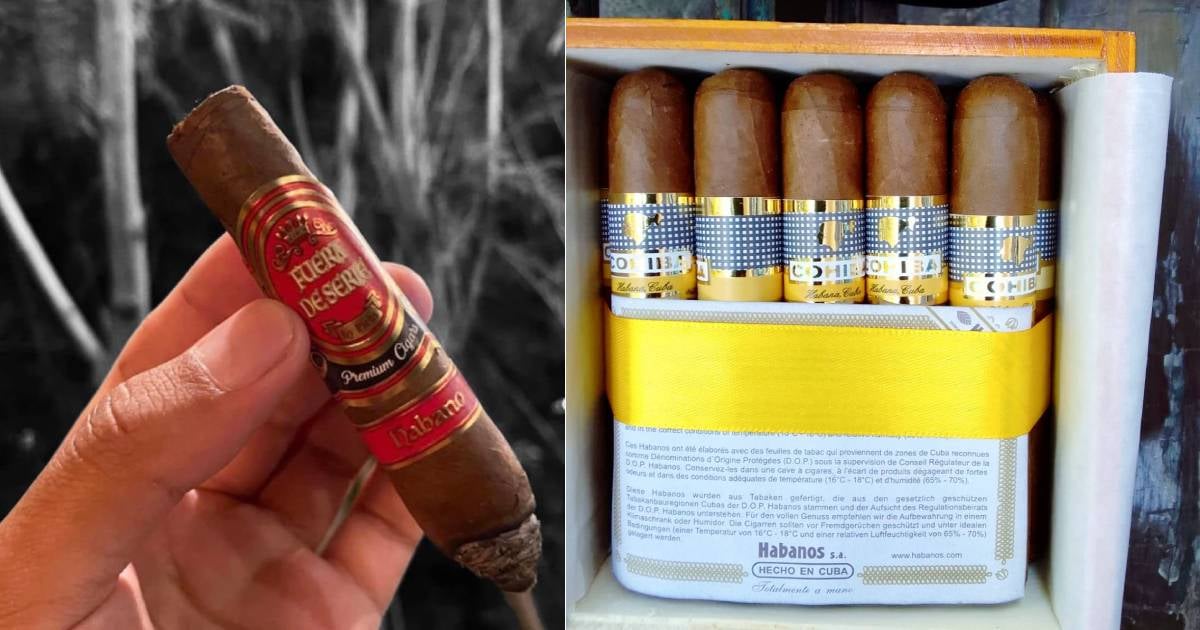
Luxury products were showcased there, such as the Cohíba Short Humidor Year of the Snake 88 LE, the Cohíba Club 60 LE, and the Cohíba Wide Short, the heartier version of the classic Cohíba Short.
The event brought together select guests, distributors, and VIP clients, who sampled the new mini cigars paired with premium whiskies and rums.
"We are immensely proud to say that Paraguay is on par with other major cigar markets," stated Ricardo Olmedo, commercial director of Habacorp, as quoted by Diario Hoy.
The event, featuring music, toasts, and distinction, aimed to reaffirm "the relevance and cultural value of Cuban tobacco in Paraguay," these media outlets mention in their reports.
However, the luxurious scene experienced in Asunción stands in stark contrast to the Cuban reality. On the island, smoking, despite the harm it causes to health, has become an unattainable privilege for many.
During a visit to the H. Upmann Factory last February, Miguel Díaz-Canel stated that tobacco is “the main export product of Cuba”, and that the economic framework of this sector “is the best we have at the national level.”
Nevertheless, the absence of boxes in state-run stores is notable and prices in the informal market have multiplied up to 20 times.
A box of Popular without filter, which officially costs 30 CUP, can go up to 600 pesos. Smokers who prefer H. Upmann pay between 1,200 and 1,500 CUP. The scarcity has led many to ration by buying loose cigars, while the government boasts about exceeding production targets.
Production crisis and scams
The problems do not end with the prices. The Lázaro Peña Cigars Company announced in July that, due to a lack of supplies, the Criollos would be packaged in boxes of another brand, an improvised measure that highlights the difficulties in production.
And in the informal markets, desperation paves the way for fraud. In the popular shopping center La Cuevita, in San Miguel del Padrón, there were reports of scams involving boxes of H. Upmann filled with sawdust.
“Look at the kind of scam this is... the lack of respect we are experiencing here as Cubans,” a buyer complained in a viral video.
Tobacco remains the island's calling card to the world, but for many Cubans, it has become an unattainable luxury, a paradox that highlights the contrast between the international showcase and the harsh national reality.
Frequently asked questions about the tobacco situation in Cuba and the launch of Cohíba in Paraguay
Why is there a shortage of cigarettes in Cuba while Cohíba is launching luxury editions in Paraguay?
The shortage of cigarettes in Cuba is due to production and distribution issues, while the company Cohíba launches luxury editions abroad to take advantage of markets where Cuban tobacco is in high demand. In Cuba, prices in the informal market soar due to a lack of supplies, which contrasts with luxury events in other countries such as Paraguay.
How does the economic situation in Cuba affect the availability of basic products like cigarettes?
The economic situation in Cuba, characterized by shortages and high prices in the informal market, seriously impacts the availability of basic products such as cigarettes. Despite the export potential of tobacco, Cubans face scarcity and scams when purchasing these products, reflecting an inefficient economic system focused more on export than on domestic consumption.
What measures is the Cuban government taking to improve tobacco production?
The Cuban government has initiated some measures to improve tobacco production, such as restoring damaged infrastructure and increasing agricultural output. However, these actions have not resolved the shortage of cigarettes in the local market and the focus remains on prioritizing exports, which leaves Cuban consumers in an unfavorable situation.
Filed under: