
Related videos:
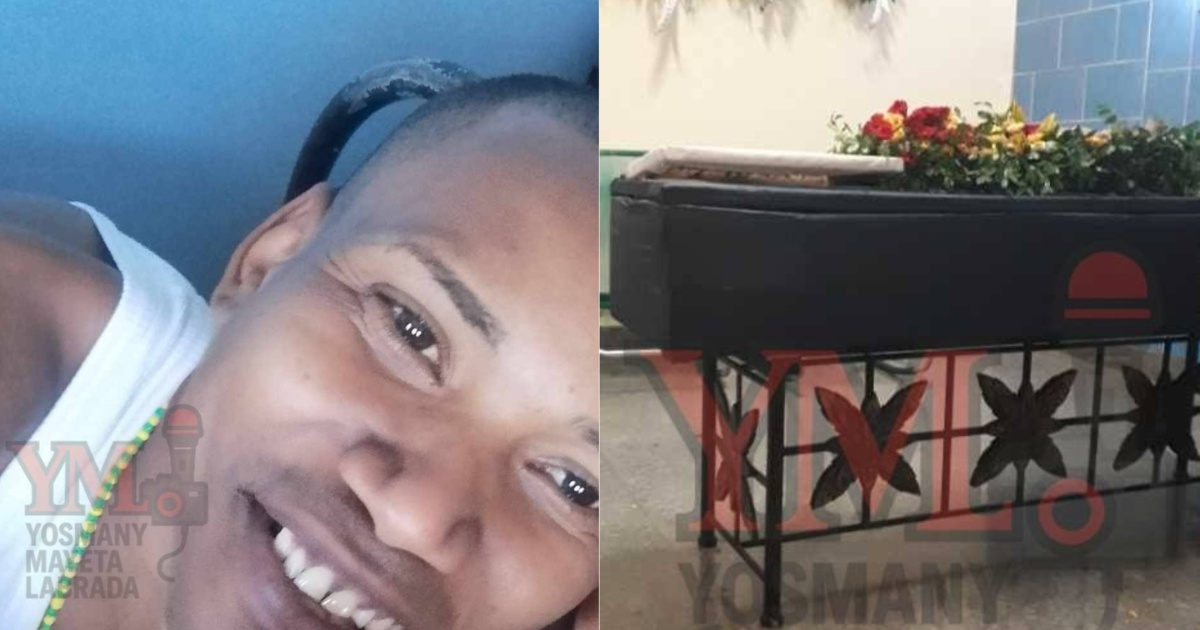
The Micro 9 community, in the José Martí District, woke up in shock upon learning of the death of Ezequiel Aleixi Figueroa Mesa, known as "Pocholo", who was incarcerated in the Bungo 8 penitentiary camp.
According to reported by journalist Yosmany Mayeta Labrada on his social media, authorities claim that he took his own life, but family members and neighbors challenge this version and report irregularities in the case.
According to the testimony of acquaintances, the inmate had been out on pass for good behavior just a few months ago and was hopeful about reuniting with his family on September 5, the day his daughter would turn 15. However, what was supposed to be a celebration ended in tragedy.
The body of Figueroa Mesa, family members point out, showed multiple bruises, which contradicts the official version of suicide. Furthermore, there were no guards or security at the funeral home to provide explanations, which raises suspicions of a cover-up.
We want the authorities to face us. "He was a prisoner, but he wasn't a dog," the relatives expressed to Mayeta, who demand justice and transparency.
The funeral of "Pocholo" is taking place this Wednesday afternoon in his community. Neighbors and friends are insisting that the Prosecutor's Office and the Party in Santiago de Cuba must open an immediate and thorough investigation into the circumstances of his death.
“A still we are here at the funeral home and no one has come to provide an explanation, the family went to the prosecutor's office and nothing, how long do we have to endure this kind of thing? It was a murder, not a suicide, and the evidence is clear on his body,” the attendees demanded.
In just July, Cuban prisons received 91 reports related to incarcerated individuals, of which 68 involved violations of rights and two resulted in deaths, a toll that reveals a constant deterioration in a penitentiary system criticized for repression and institutional neglect.
The monthly report from the Cuban Prisons Documentation Center (CDPC), based in Mexico, recorded 77 complaints from prisons and detention centers across the country.
The documented violations affected 51 prisoners —10 women and 41 men— and eight complaints had a collective scope.
Frequently asked questions about suspicious deaths in Cuban prisons
What irregularities surround the death of Ezequiel Aleixi Figueroa Mesa in Santiago de Cuba?
The death of Ezequiel Aleixi Figueroa Mesa, known as “Pocholo”, is shrouded in irregularities and suspicions of a cover-up. Despite authorities claiming it was a suicide, family members and neighbors question this version due to the numerous bruises on the body and the lack of security at the funeral home. Additionally, they have not received clear explanations from the authorities, which has sparked outrage and calls for justice and transparency.
What are the common complaints regarding deaths in Cuban prisons?
In Cuba, deaths in prison are often surrounded by allegations of medical negligence, cover-up, and abuse by the authorities. Cases like that of Abraham Carmenates Hervás, who died in Boniato prison, stand out due to the contradictory accounts provided by the authorities regarding the causes of death, which increases distrust and pain among family members. The community and independent journalists have denounced the lack of transparency and systematic repression within the Cuban penitentiary system.
What actions do the families of the victims in Cuba demand?
Relatives of the victims in Cuba demand justice, transparency, and a thorough and independent investigation into the deaths in prison. In the specific case of Ezequiel Aleixi Figueroa Mesa, the family is requesting that the Prosecutor's Office and the Party in Santiago de Cuba initiate an immediate investigation into the circumstances of his death. Furthermore, authorities are being called upon to provide clear explanations and accountability regarding these incidents.
How has the community reacted to the deaths in prison in Cuba?
The community has reacted with outrage and sorrow to the deaths in prison in Cuba. In the case of Ezequiel Aleixi Figueroa Mesa, the shock in the José Martí district of Santiago de Cuba has been widespread, with neighbors and friends demanding clarity regarding his death. The lack of responses and the perception of impunity have led to an increase in calls for justice and transparency. Social media and independent media play a crucial role in bringing these demands to light.
Filed under: