
Related videos:
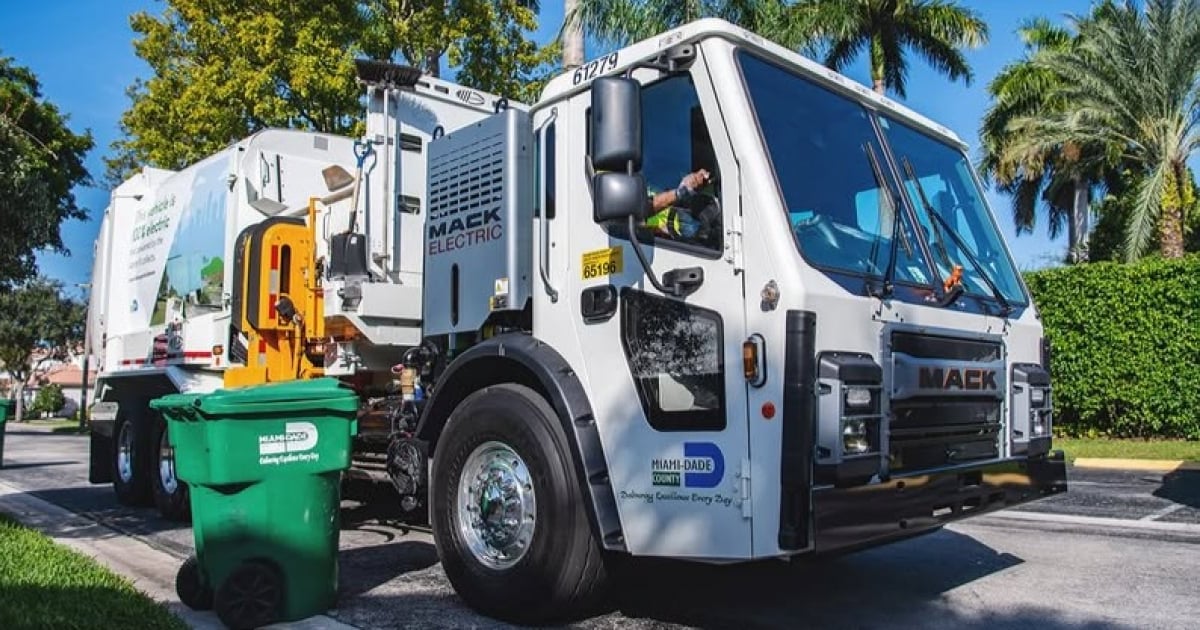
Miami-Dade County approved a slight increase in the garbage collection fee, which, although small, adds to the financial burden on residents at a time when the local government is dealing with a $400 million budget shortfall.
The increase amounts to an additional 4 or 5 dollars per year, but it is part of a broader debate about the sustainability of public services and the cost that taxpayers bear to support them.
According to a report by Telemundo 51, on Wednesday, the county commission discussed the administration's proposal to implement a 3% increase, which was ultimately reduced to 0.7%, a lower figure but still significant for families who have experienced cumulative increases over the past five years.
"That is the problem," acknowledged the chairwoman of the Funding Allocation Committee, who explained that the sanitation department "for many years was not charging enough," and that they are now trying to close that gap by renegotiating contracts to reduce expenses.
Mayor Daniella Levine Cava defended the measure, stating that the budget is "fair and balanced," and that it ensures the continuity of essential services.
According to the details provided, since July, an additional 67 million dollars have been found. However, it was warned that the challenge remains significant and that there is still much to discuss before the final budget is approved in a second vote.
An unprecedented fiscal storm
The increase comes amid the worst financial crisis in the county since the recession of 2008.
Levine Cava explained that the deficit is due to a "perfect storm of challenges": the establishment of five new constitutional offices mandated by a state amendment, a decrease in state and federal revenues, and local decisions such as tax cuts, multimillion-dollar subsidies for the 2026 World Cup, and the prior use of emergency funds to freeze rates.
In this context, the mayor proposed an austerity plan that includes layoffs, a salary freeze, budget cuts in departments ranging from 10% to 35%, a 50-cent increase in public transportation, the closure of community centers, and a reduction of services in parks.
The elimination of the Office of New Americans and the Office of Neighborhood Security is also part of the adjustments.
Reactions and political debate
The budget of 12.9 billion dollars has divided the commissioners.
While some, like Juan Carlos Bermúdez, are calling for prioritizing essential services such as health, security, and the environment, others, like Roberto González, label Levine Cava a "spending liberal" and demand a line-by-line review of the budget.
Even with the limited increase in the garbage fee, the fear is that new cuts may be on the horizon if a consensus is not reached. "We don't know where else to make cuts. We would have to completely eliminate parks or reduce bus routes. It's a pretty serious situation," the mayor admitted.
Constant pressure on the residents
For many residents, the issue is not just this year's increase, but the accumulation of rises in basic services, from transportation to waste management, while wages remain stagnant and the cost of living in South Florida continues to soar.
The increase in the garbage collection fee may seem minor in absolute terms, but in a county where thousands of families are already struggling to cover rent, food, and transportation, every dollar matters.
And the dilemma persists: to maintain public services without breaking the budget, or to continue passing the bill on to those with the least ability to pay.
Frequently Asked Questions about Rate Increase and Deficit in Miami-Dade
Why has a fee increase for garbage collection been approved in Miami-Dade?
The increase in the garbage collection fee in Miami-Dade, although slight, is due to the need to address a gap in utility billing by the sanitation department. The county is facing a budget deficit of 400 million dollars, which has led to the implementation of adjustment measures to ensure the continuity of essential services.
What are the main factors that have contributed to the $400 million deficit in Miami-Dade?
The deficit in Miami-Dade is due to a "perfect storm of challenges" that includes the establishment of new constitutional offices, a decrease in state and federal revenues, and local decisions such as tax cuts and million-dollar subsidies for events like the 2026 World Cup. These factors have placed significant pressure on the county's budget.
What measures are being taken to address the deficit in Miami-Dade?
To address the deficit, Mayor Daniella Levine Cava has proposed an austerity plan that includes layoffs, a salary freeze, cuts in departments, and an increase in public transportation fares. These measures aim to close the budget gap without raising the property tax rate.
How does the increase in the garbage fee affect residents of Miami-Dade?
The increase in the garbage fee, although slight, adds to the financial burden on residents who are already facing accumulated increases in essential services such as transportation and water. In a context of stagnant wages and high living costs, every increase in fees represents additional pressure on families in Miami-Dade.
Filed under: